
Scholar-activists play a crucial role in helping slum dwellers strategize and resist neoliberal urban dispossessions
15 Sep 2026
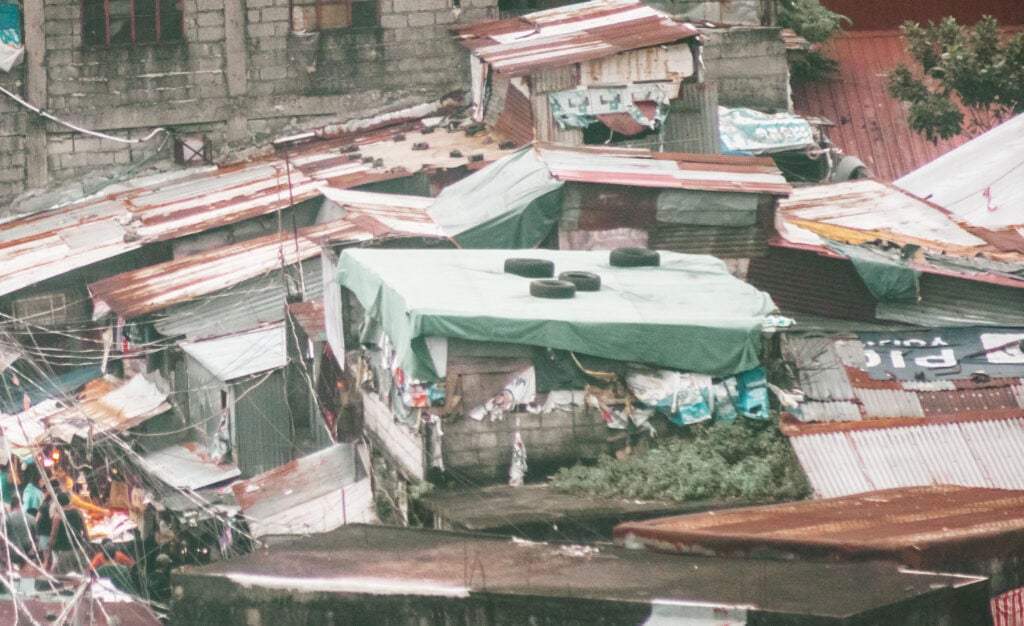
Slums are at the center of capitalist dispossessions. The “gentrification by mass eviction” (Desmond 2012) from in-city slums is especially evident in the Global South. Slum dwellers live, survive, negotiate, and resist every day. However, despite the non-stop daily struggle, residents endure these conditions (Bayat 2000) and resist a variety of strategies (Arcilla 2023), including forming alliances to resist displacement and the erosion of democratic spaces.
In this article, I discuss the contemporary labors, constraints, and solidarity potentials of engaged urban scholars in the struggle for the right to adequate housing, in particular, and the right to the city, in general. I locate these in the political history of dominant social movement organizations and the changing Philippine political economy. We engage in political advising, framing, networking, organizing, translating, and capacity-building. Caught in a complex web that may necessitate the assumption that the urban poor are homogeneous, and in silencing and foreclosures, scholar-activists play a crucial role in strategic facilitation that connects collective forms of living among urban surplus lives and corrodes neoliberal urban dispossessions. These efforts are described as “situated solidarities,” where urban scholar-activists critically draw from and reshape ‘inherited’ social movement frames and strategies grounded in the changing realities, capacities, and political opportunities of urban poor communities.
This work is a critical analysis and celebration of urban scholar-activists’ works toward the right to adequate housing in the Philippines.
Author: Chester Antonino Cunan Arcilla (Department of Social Sciences, University of the Philippines Manila | Department of Sociology and Centre for Asian Studies in Africa, University of Pretoria, South Africa)
Image by Nothing Ahead from Pexels