
The Covid-19 pandemic strengthened consumer resilience but negatively impacted consumer diets
15 Oct 2026
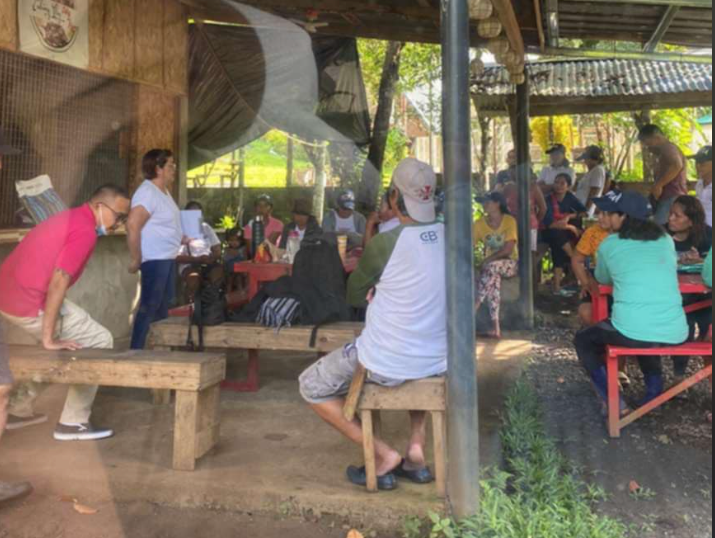
The pandemic induced structural and functional changes in agri-food supply chains, necessitating an analysis of responses in promoting household food security resilience to disasters of the magnitude of COVID-19.
This study examined how 273 household respondents met their food needs amid the immobilizing pandemic. Data were collected through face-to-face and online interviews over two months, from April to May 2022, recalling circumstances before and during the pandemic. Key informant interviews with two food providers were also conducted. Laguna in CALABARZON, Philippines, was chosen as it represents a microcosm of a vibrant community affected by lockdowns. Descriptive analysis, t-tests of means, and ANOVA were performed.
Findings indicate that the shortened food supply chain during the pandemic bolstered consumer resilience, with increased involvement from various entities including local government units (LGUs), family, friends, and private organizations, leveraging social capital and networks. However, consumer diets worsened during the crisis, with severe deficiencies in vegetables and fruits (12% vs. 50% recommended), and excessive consumption of meat (40% vs. 17% recommended) and cereals (38% vs 33% recommended). Moreover, there was a decrease in average daily food budgets and household savings. While the proliferation of makeshift and mobile markets promoted food security, stability was still reduced. Key drivers for resilience included innovativeness, diligence, social capital, and networks, supported by stable internet connectivity and government aid. Recommendations for promoting a shorter supply chain include creating a regional task force for food planning, establishing regional food hubs with built-in trading centers, and strengthening mechanisms for food system governance.
Securing food supplies during crises is crucial. Because catastrophic events on the scale of the COVID-19 pandemic may recur, governments must act swiftly and strategically to accelerate post-disaster recovery. The findings of this study offer practical insights to inform such timely and effective policy responses.
The pandemic highlighted the importance of resilience and revealed the need to reassess government strategies in ensuring food security. Traditional food supply chains proved inadequate during the crisis, prompting the need for adjustments to safeguard both immediate household food access and long-term nutrition. This study developed an agri-food supply chain model aimed at protecting household food security in disaster-affected communities, such as those under COVID-19 quarantine, and provided recommendations to enhance future recovery efforts and programs of the government.
Authors: Julieta A. Delos Reyes and Jennifer C. Padrid (Department of Agricultural and Applied Economics, College of Economics and Management, University of the Philippines Los Baños)
Read the full paper: http://issaasphil.org/wp-content/uploads/2024/12/9.-Delos-Reyes-and-Padrid-2024.-Developing-disaster- resilient-supply-chains-FINAL.pdf