“Halata” can now be used to refer to gay men who act straight, showing how the definition of kabaklaan in the Philippines is ever-changing

13 Mar 2026
In the Philippines, representation of gays has long been dichotomous. There is the bakla, depicted as flamboyant, effeminate and low class; and there is the gay (also called the Brokeback Mountain type), depicted as more refined and masculine-acting. With the advent of digital technologies, these representations of gayness have transcended the silver screen and found their way into dating apps and social media, subsequently birthing the concept of the halata.

This term first rose to prominence because of gay men in dating apps declaring “pass sa halata,” marking their rejection of a potential partner because of their being too much like the bakla. In my study, I move beyond the halata’s pejorative connotation on dating apps and study how it is being conceived and defined in the Facebook Group Samahan ng mga Halata, a Facebook group known for peddling gender-based content.

My results indicate that while the halata mainly pertains to people who take on the image of the bakla, it can now also be used to pertain to gay men who act straight. My results also uncover that the halata is inherently sexual, is fascinated with queer content, and is empowered by his co-halata in online spaces to rally against larger issues affecting him and the queer community at large. These results show that the halata is a term full of contradictions, but marks the latest iteration of gayness in the age of social media.

My research project constitutes the latest documentation of the shifting terms of Filipino gayness. This research is relevant especially in an age where gender and sexuality are continually displayed, defined, and depicted on social media.

My results further show that online spaces such as Facebook Groups can facilitate the (re)definition of gender identity. While these platforms can be used for comedic or banal purposes, they can also be used as an outlet for marginalized groups to showcase their personalities, bond over shared struggles, and rally around larger issues that affect them. Moreover, as the concept of the “halata” gay has often been used as a discriminatory term in the queer dating scene, my study allows for a better understanding of what it actually means to be “halata,” as well as the sentiments and frustrations that stem from such an experience.

Lastly, by applying symbolic interactionism as a framework to understand the online phenomenon of the “halata,” I contribute to existing literature on communication studies, social media, and gender research.

Author: Jethro Bryan Andrada (University of the Philippines Baguio, Department of Communication, College of Arts and Communication, University of the Philippines Baguio)

Read the full paper: https://doi.org/10.52518/2025-08andrd

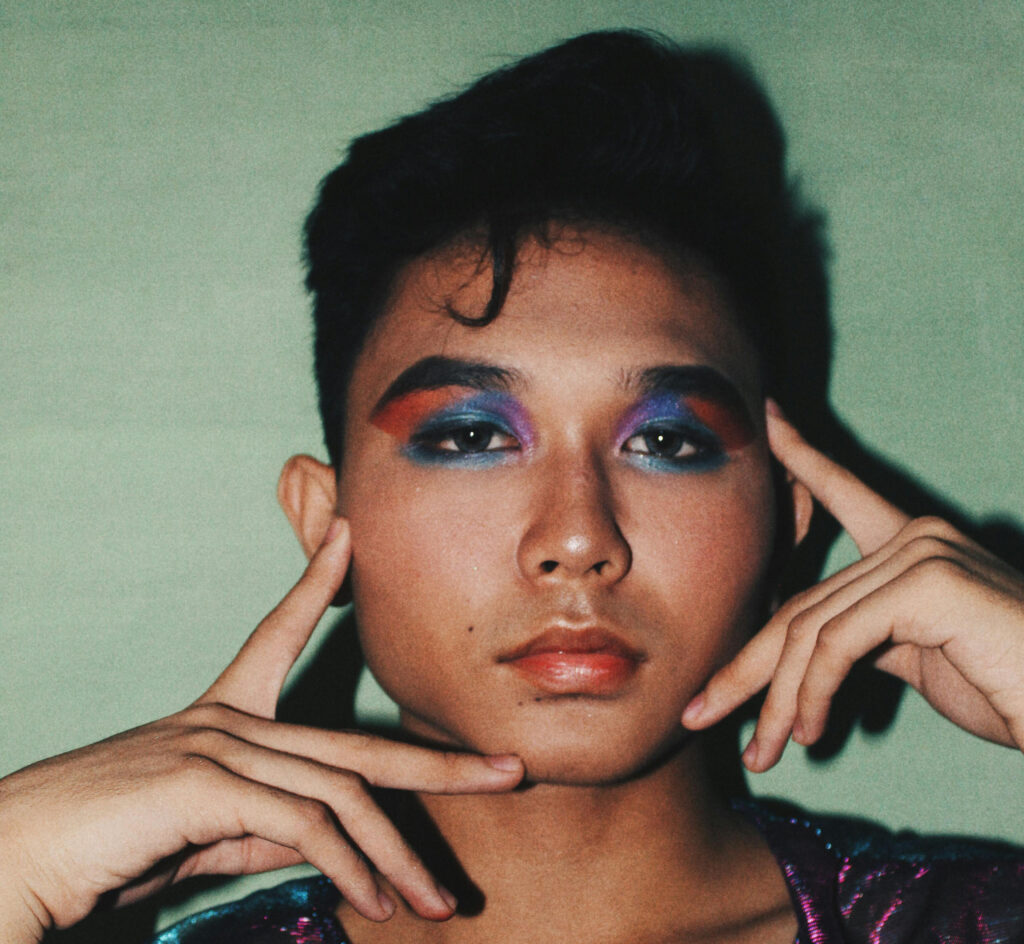
Image by Slaytina from Pexels

“Halata” can now be used to refer to gay men who act straight, showing how the definition of kabaklaan in the Philippines is ever-changing

In the Philippines, representation of gays has long been dichotomous. There is the bakla, depicted as flamboyant, effeminate and low class; and there is the gay (also called the Brokeback Mountain type), depicted as more refined and masculine-acting. With the advent of digital technologies, these representations of gayness have transcended the silver screen and found their way into dating apps and social media, subsequently birthing the concept of the halata.

This term first rose to prominence because of gay men in dating apps declaring “pass sa halata,” marking their rejection of a potential partner because of their being too much like the bakla. In my study, I move beyond the halata’s pejorative connotation on dating apps and study how it is being conceived and defined in the Facebook Group Samahan ng mga Halata, a Facebook group known for peddling gender-based content.

My results indicate that while the halata mainly pertains to people who take on the image of the bakla, it can now also be used to pertain to gay men who act straight. My results also uncover that the halata is inherently sexual, is fascinated with queer content, and is empowered by his co-halata in online spaces to rally against larger issues affecting him and the queer community at large. These results show that the halata is a term full of contradictions, but marks the latest iteration of gayness in the age of social media.

My research project constitutes the latest documentation of the shifting terms of Filipino gayness. This research is relevant especially in an age where gender and sexuality are continually displayed, defined, and depicted on social media.

My results further show that online spaces such as Facebook Groups can facilitate the (re)definition of gender identity. While these platforms can be used for comedic or banal purposes, they can also be used as an outlet for marginalized groups to showcase their personalities, bond over shared struggles, and rally around larger issues that affect them. Moreover, as the concept of the “halata” gay has often been used as a discriminatory term in the queer dating scene, my study allows for a better understanding of what it actually means to be “halata,” as well as the sentiments and frustrations that stem from such an experience.

Lastly, by applying symbolic interactionism as a framework to understand the online phenomenon of the “halata,” I contribute to existing literature on communication studies, social media, and gender research.

Author: Jethro Bryan Andrada (University of the Philippines Baguio, Department of Communication, College of Arts and Communication, University of the Philippines Baguio)

Read the full paper: https://doi.org/10.52518/2025-08andrd

Image by Slaytina from Pexels