
Classic novels can be used in EFL teaching to promote sustainable practices
24 Nov 2026
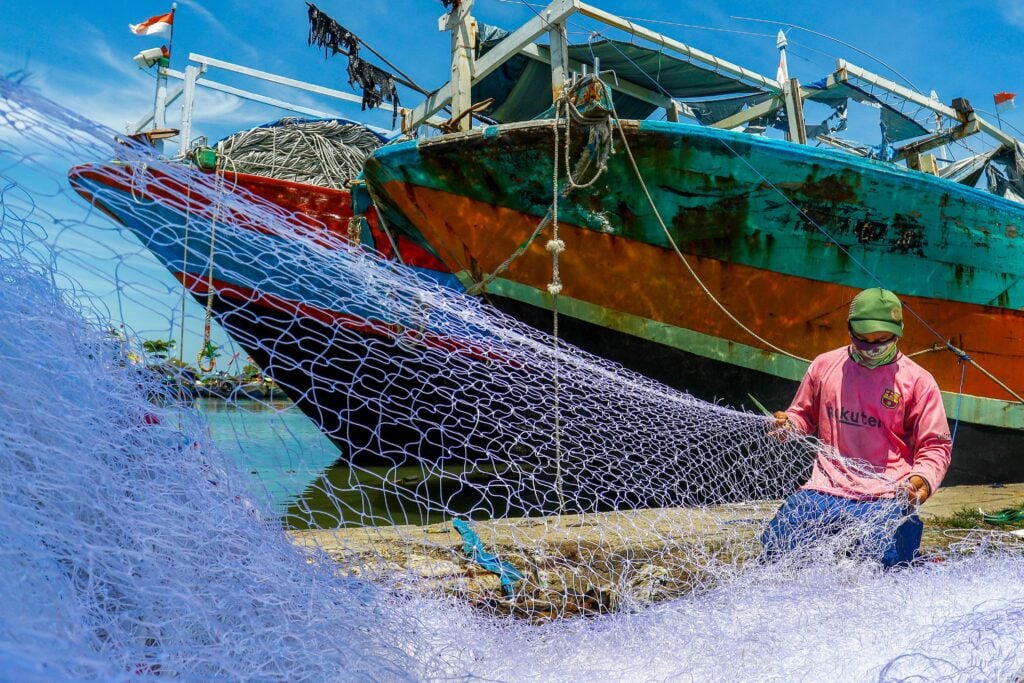
With its vast coastline and 17,500 islands, Indonesia is one of the world’s biggest maritime countries and has the potential to adopt a marine economy. Developed at the United Nations Conference on Sustainable Development held in Rio de Janeiro, Brazil, in 2012, the blue economy concept advocates for sustainable ocean resource use to drive economic growth and improve livelihoods.
This research explores the use of classic novels in EFL (English as a Foreign Language) teaching to promote sustainable practices in blue economy, which refers to the utilization of oceanic resources for economic growth while protecting the ocean ecosystem. It proposes The Pearl written in 1947 by John Steinbeck and The Sea Wolf in 1904 by Jack London to enhance communication skills, cultural understanding, and ecological literacy among EFL learners. The study applies a close reading of the literary texts to compare with the context of Indonesia’s marine economy. Class exercises and activities are constructed based on the two novels to boost EFL learners’ language ability while preparing them to become a generation committed to marine sustainability. While The Pearl is a metaphor of human greed, The Sea Wolf symbolizes the danger of exploitation. The aesthetic value of both novels can enhance EFL learners’ critical thinking and ecological awareness. Incorporating ecological perspectives into EFL instruction through maritime literature helps students build the skills and mindset needed to support long-term development in blue economy. The article suggests that using more maritime narratives into EFL teaching can help improve linguistic proficiency, cultural sensitivity, and environmental consciousness, preparing students for sustainable development.
This article highlights the aesthetic value of literature for critical thinking, environmental awareness, and language. It provides fresh perspectives on the potential dangers of the maritime economy. Though the context of the analysis is Indonesia’s blue economy, the problem of climate change and its negative effects, the value of inclusivity, and the necessity of shared benefits among fisherfolk, maritime companies, and communities are common to countries like the Philippines that are involved in developing blue economy strategies.
The research also contends that literature can be used in an EFL class to address learners’ various needs. Literature provides authentic reading materials and presents the students with real contexts for communicative situations that contribute to their cognitive, linguistic, and holistic development as individuals. Using the themes, plots, and characters of the two novels, exercises and activities that enhance the students’ eco-critical awareness and language skills are constructed and presented. The suggested activities provide language teachers with models for creatively teaching language structure and use aided by literary classics with environmental themes.
Authors: Novita Dewi (Sanata Dharma University), Firma Sulistiyowati (Sanata Dharma University), and Maria Corazon Saturnina Aspeli Castro (University of the Philippines)
Read the full paper: http:// https://e-journal.usd.ac.id/index.php/LLT/article/view/9007
Image by Kevin Yung from Pexels