Alumni associations can help broaden a university’s academic and social reach
09 Sep 2026
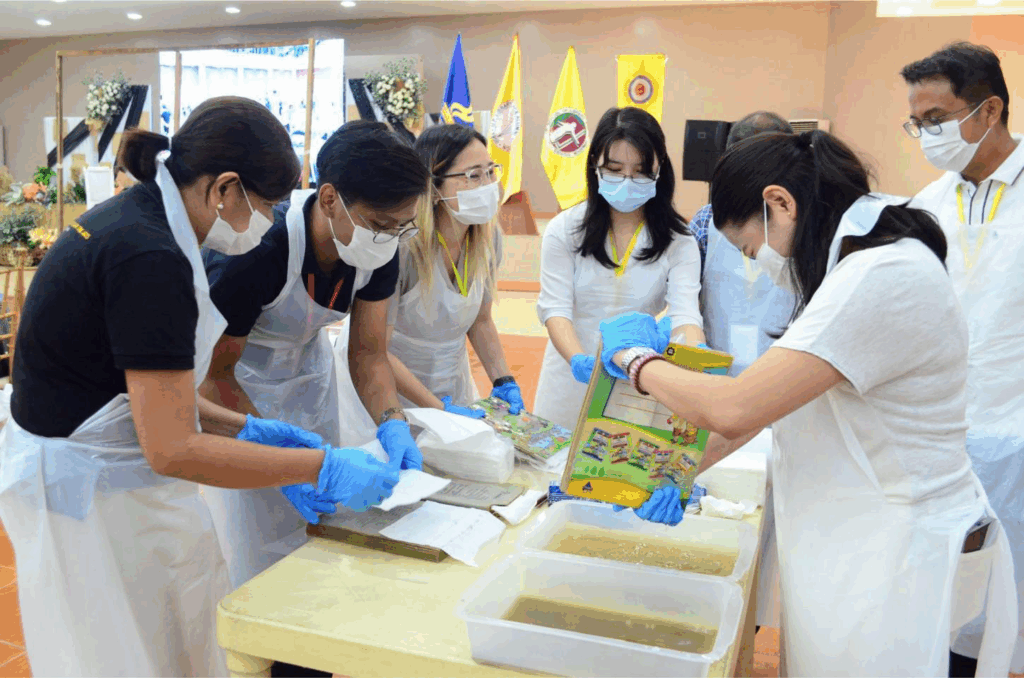
Alumni associations connect an institution with its alumni. The primary benefits of an alumni association are usually centered on its potential as an avenue for socializing and networking with others in the same industry, coordinating outreach programs in the name of its institution, and raising funds and the reputation of its home institution. However, alumni associations may also take active roles in shaping professional development by organizing events that upskill and train professionals both within and outside the association. This article recounts the experience of the University of the Philippines Library Science Alumni Association (UP LSAA) in organizing and executing the 8th National Archives Congress in the Philippines, which aimed to train participants from all over the country in the skills of disaster management in archives and other cultural institutions (e.g., libraries, museums, etc.). The event’s success highlights the potential role of information school alumni associations as active sources of socially relevant professional development, rather than mere passive professional networks.
This published study highlights the valuable role of alumni associations in strengthening the university’s presence and influence beyond the campus. By documenting the UP LSAA’s leadership in organizing the 8th National Archives Congress, the study showcases how alumni networks can extend the university’s academic and social impact nationwide. Through initiatives such as disaster management training for archives and cultural institutions, alumni activities not only enhance the reputation of the university but also promote its commitment to public service and professional excellence. Furthermore, the study demonstrates how alumni associations can serve as vital partners in professional development, resource mobilization, and outreach. Such efforts reinforce the university’s standing as a leader in information and cultural heritage education, while cultivating a cycle of engagement in which graduates continually contribute to the growth, visibility, and prestige of their alma mater.
Authors: Simon Philip R. Sacramento (National Telehealth Center, University of the Philippines Manila | University of the Philippines Library Science Alumni Association), Miriam Charmigrace Q. Salcedo (University of the Philippines Library Science Alumni Association | School of Library and Information Studies Library, University of the Philippines Diliman), Jethro G. Sayana (University of the Philippines Library Science Alumni Association | Professional Regulation Commission, Manila, Philippines), Femush Gwynn T. Bartolome (University of the Philippines Library Science Alumni Association | Asian Institute of Management), Arthur Bryan C. Mariano (University of the Philippines Library Science Alumni Association | Main Library, University of the Philippines Diliman), and Ajeza S. Quindoza (University of the Philippines Library Science Alumni Association | Commission on Higher Education, Quezon City, Philippines)
Read the full paper: https://doi.org/10.1080/10572317.2025.2550864