In Java and Mindanao, Indigenous Agricultural Knowledge Systems reflect how people, nature, and culture are inextricably linked

02 Sep 2026
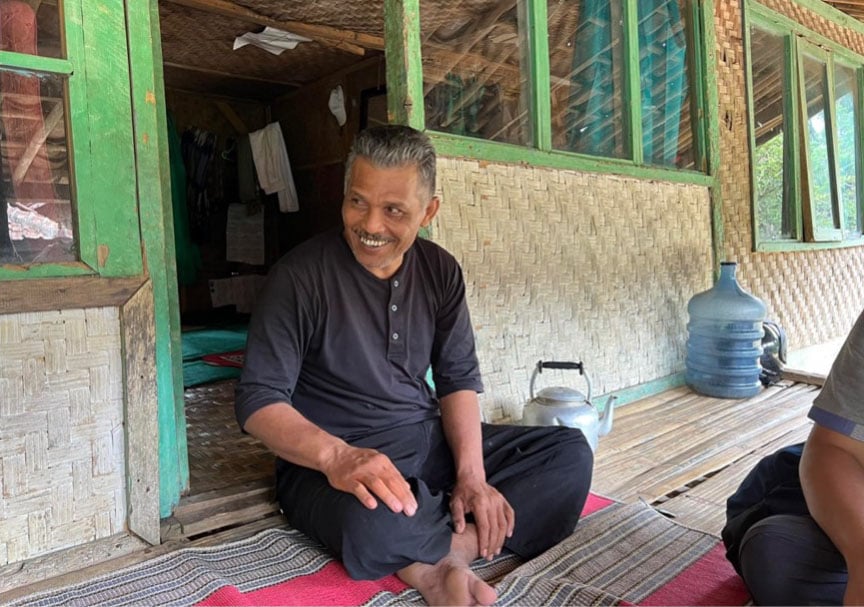
Indigenous communities in Java, Indonesia and Mindanao, Philippines farm the land using traditional knowledge passed down through generations. These practices, called Indigenous Agricultural Knowledge Systems (IAKS), are not only about growing food—they reflect the deep connection between people, nature, and culture. In many of these communities, farming is done in ways that protect the environment. They use methods like planting different crops together, rotating crops, and using natural fertilizers instead of chemicals. These techniques help keep the soil healthy, prevent pests, and preserve biodiversity.

The study highlights that these traditional practices are more than just old habits—they are smart, sustainable responses to modern problems like climate change, food insecurity, and land degradation. Indigenous farmers know how to work with nature, not against it. Their farming systems are often more environmentally friendly than industrial ones. The research also shows how traditional knowledge is passed on through stories, rituals, and hands-on teaching.

However, this wisdom is at risk of being lost due to modernization, loss of land, and a lack of recognition. The study calls for schools and governments to protect and support this knowledge by including it in education and policies. By learning from these communities, we can create farming systems that are more respectful of the environment and culturally meaningful. This research encourages society to value indigenous voices and support their vital role in building a more sustainable and resilient future for everyone.

This study is a comprehensive examination of IAKS in Java and Mindanao, emphasizing their vital role in promoting sustainable agriculture, cultural preservation, and ecological resilience. By exploring traditional practices such as agroforestry, intercropping, and organic pest control, it reveals how these time-tested methods contribute to sustainable land use, biodiversity conservation, and climate adaptation. Moreover, it underscores the cultural and spiritual depth of indigenous farming, portraying agriculture not just as a livelihood but as a meaningful expression of identity, heritage, and harmony with nature.

The research also highlights the importance of integrating indigenous knowledge into formal education and national policy, as seen in initiatives like CHED Memorandum No. 2 s.2019 in the Philippines and community-based learning in Java, which foster ecological awareness and cultural appreciation among future generations. By presenting evidence of how indigenous practices build community resilience against modern agricultural challenges—such as environmental degradation and food insecurity—the study positions IAKS as a valuable framework for inclusive and sustainable development. Ultimately, the research bridges the gap between traditional and modern systems, demonstrating how indigenous wisdom remains relevant and transformative in addressing pressing global issues in agriculture and environmental management.

Author: Cyril John C. Nagal (University of the Philippines Los Baños)

Read the full paper: https://journals.sagepub.com/doi/full/10.1177/09763996251327672

In Java and Mindanao, Indigenous Agricultural Knowledge Systems reflect how people, nature, and culture are inextricably linked

Indigenous communities in Java, Indonesia and Mindanao, Philippines farm the land using traditional knowledge passed down through generations. These practices, called Indigenous Agricultural Knowledge Systems (IAKS), are not only about growing food—they reflect the deep connection between people, nature, and culture. In many of these communities, farming is done in ways that protect the environment. They use methods like planting different crops together, rotating crops, and using natural fertilizers instead of chemicals. These techniques help keep the soil healthy, prevent pests, and preserve biodiversity.

The study highlights that these traditional practices are more than just old habits—they are smart, sustainable responses to modern problems like climate change, food insecurity, and land degradation. Indigenous farmers know how to work with nature, not against it. Their farming systems are often more environmentally friendly than industrial ones. The research also shows how traditional knowledge is passed on through stories, rituals, and hands-on teaching.

However, this wisdom is at risk of being lost due to modernization, loss of land, and a lack of recognition. The study calls for schools and governments to protect and support this knowledge by including it in education and policies. By learning from these communities, we can create farming systems that are more respectful of the environment and culturally meaningful. This research encourages society to value indigenous voices and support their vital role in building a more sustainable and resilient future for everyone.

This study is a comprehensive examination of IAKS in Java and Mindanao, emphasizing their vital role in promoting sustainable agriculture, cultural preservation, and ecological resilience. By exploring traditional practices such as agroforestry, intercropping, and organic pest control, it reveals how these time-tested methods contribute to sustainable land use, biodiversity conservation, and climate adaptation. Moreover, it underscores the cultural and spiritual depth of indigenous farming, portraying agriculture not just as a livelihood but as a meaningful expression of identity, heritage, and harmony with nature.

The research also highlights the importance of integrating indigenous knowledge into formal education and national policy, as seen in initiatives like CHED Memorandum No. 2 s.2019 in the Philippines and community-based learning in Java, which foster ecological awareness and cultural appreciation among future generations. By presenting evidence of how indigenous practices build community resilience against modern agricultural challenges—such as environmental degradation and food insecurity—the study positions IAKS as a valuable framework for inclusive and sustainable development. Ultimately, the research bridges the gap between traditional and modern systems, demonstrating how indigenous wisdom remains relevant and transformative in addressing pressing global issues in agriculture and environmental management.

Author: Cyril John C. Nagal (University of the Philippines Los Baños)

Read the full paper: https://journals.sagepub.com/doi/full/10.1177/09763996251327672