
Visitors’ estimated mean willingness to pay for water conservation in Mt. Makiling is PHP 75 per visit
20 Aug 2026
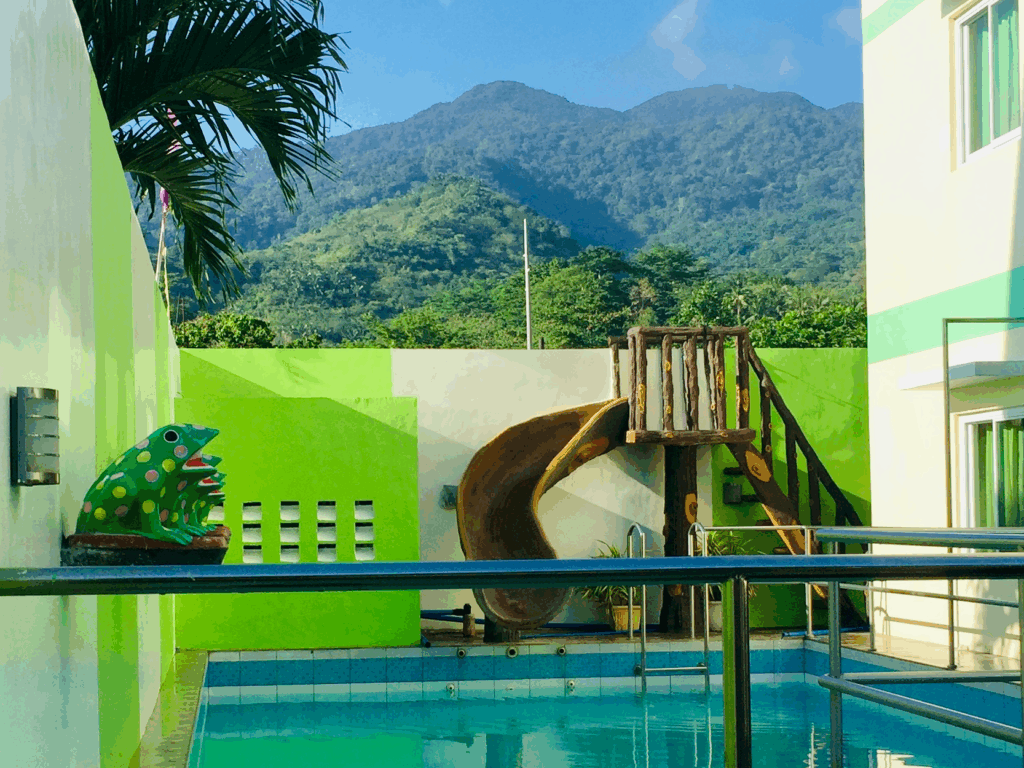
Calamba City and Los Baños in Laguna, the Philippines, benefit from the water ecosystem services of Mt. Makiling. Being a dormant volcano, it supplies hot water to springs and groundwater in the area, giving rise to a resort-based tourism industry. Over the years, the number of resorts has significantly increased, placing a toll on groundwater resources. Given the heavy reliance on groundwater by resorts in the area, this paper presents the findings of a contingent valuation (CV) study that examined tourists’ knowledge of resort water sources, reasons for their visits, and their willingness to pay (WTP) for improved water conservation of Mt. Makiling.
The CV survey was implemented online using Microsoft Forms. The payment card method was used to elicit WTP, and the mean WTP was estimated using interval regression. About 50% of 492 respondents were aware of the resort’s water source, mostly saying it is hot springs, but only a few knew groundwater as the water source. The main reasons for visiting the resorts are for relaxation as well as their accessibility and affordability. The estimated mean WTP is PHP 75/visit. If captured, this can raise PHP 159.52 million/yr, with a present value of PHP 1.358 billion at a 10% discount rate over a 20-yr discounting period. The respondents’ primary motivation for WTP was conserving Mt. Makiling’s limited groundwater. Those unwilling to pay cited affordability concerns and opposition to paying for pool water recycling. Insights about implementing a CV survey online are also discussed.
This study recommends that local governments enact policies to capture WTP for improved groundwater conservation, utilizing the funds generated for Mt. Makiling management and resort water conservation measures. It recommends strengthening information dissemination and education among resort owners, the public, and local and national government officials. Communication initiatives can raise awareness of the growing groundwater scarcity in Mt. Makiling and other areas across the country. It is also important to educate resort owners and resort visitors: the former on proper pool maintenance to minimize water replacement, and the latter on how pool water can meet international quality standards without excessive water use.
Authors: Margaret M. Calderon, Analyn L. Codilan, Jan Joseph V. Dida, Vanessa M. Palma-Torres, Angela Marie S. Alducente, and Canesio D. Predo (Institute of Renewable Natural Resources, College of Forestry and Natural Resources, University of the Philippines Los Baños)
Read the full paper: https://philjournalsci.dost.gov.ph/potential-contribution-of-tourism-for-groundwater-conservation-in-mt-makiling-the-philippines/