
Burong isda (fermented fish), indigenous to the Philippines, has probiotic potential for digestive and immune health

30 Jan 2026
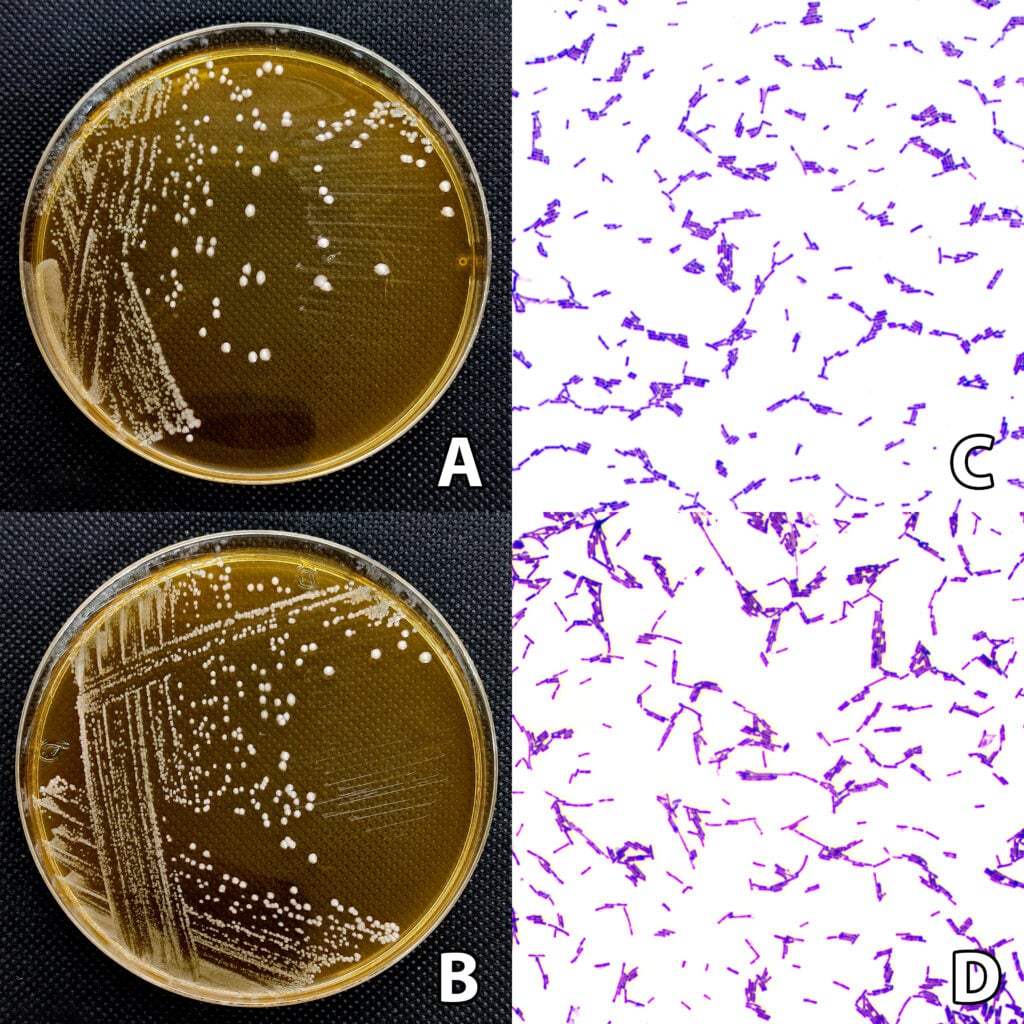
Fermented foods in the Philippines, such as burong isda (fermented fish), are not only part of our culinary heritage but also a rich source of beneficial bacteria. In this study, we isolated and studied two strains of Limosilactobacillus fermentum—a type of lactic acid bacteria—from burong isda collected in Arayat, Pampanga. Using both laboratory tests and advanced genomic tools, we investigated whether these bacteria could serve as probiotics that support health.

We found that both strains can survive in acidic and bile-rich conditions similar to the human stomach and intestines, which is important for any probiotic. Their genomes revealed genes that help resist harsh environments, attaching to gut cells, supporting immune responses, and even producing vitamins. Most excitingly, we discovered that their natural products can inhibit harmful fungi like Candida albicans and Aspergillus fumigatus, which are known to cause infections. Unlike some bacteria that carry antibiotic resistance or disease-causing traits, these strains were found to be safe and free of such risks. This means they have strong potential to be developed into health-promoting probiotics for food or medical use.

Our work highlights how traditional Filipino foods can lead to scientific discoveries with real health benefits. It also shows how modern techniques, like genome sequencing, can help unlock the full potential of our local microbial resources.

This research marks a meaningful step in bridging traditional microbiology with modern genomic science in the Philippines. By exploring Limosilactobacillus fermentum strains from burong isda, we have demonstrated how indigenous fermented foods can be rich sources of probiotic microorganisms with therapeutic potential.

What makes this work significant is that we did not rely solely on in vitro assays—we incorporated whole-genome sequencing, genome mining, and metabolomic profiling to build a more complete and evidence-based understanding of these isolates.

Overall, this study not only enriches our scientific knowledge of locally sourced probiotics but also highlights the value of applying OMICs tools in characterizing functional microbes from traditional foods—something that remains underexplored in the Philippine setting.

Authors: Joshua T. Veluz (Natural Sciences Research Institute, College of Science, University of the Philippines Diliman | The Graduate School, University of Santo Tomas, Manila),  Paul Christian T. Gloria (Natural Sciences Research Institute, College of Science, University of the Philippines Diliman), Maria Auxilia T. Siringan (Natural Sciences Research Institute, College of Science, University of the Philippines Diliman), and Irineo J. Dogma Jr. (The Graduate School, University of Santo Tomas, Manila)

Read the full paper: https://doi.org/10.1016/j.microb.2025.100334

Burong isda (fermented fish), indigenous to the Philippines, has probiotic potential for digestive and immune health

Fermented foods in the Philippines, such as burong isda (fermented fish), are not only part of our culinary heritage but also a rich source of beneficial bacteria. In this study, we isolated and studied two strains of Limosilactobacillus fermentum—a type of lactic acid bacteria—from burong isda collected in Arayat, Pampanga. Using both laboratory tests and advanced genomic tools, we investigated whether these bacteria could serve as probiotics that support health.

We found that both strains can survive in acidic and bile-rich conditions similar to the human stomach and intestines, which is important for any probiotic. Their genomes revealed genes that help resist harsh environments, attaching to gut cells, supporting immune responses, and even producing vitamins. Most excitingly, we discovered that their natural products can inhibit harmful fungi like Candida albicans and Aspergillus fumigatus, which are known to cause infections. Unlike some bacteria that carry antibiotic resistance or disease-causing traits, these strains were found to be safe and free of such risks. This means they have strong potential to be developed into health-promoting probiotics for food or medical use.

Our work highlights how traditional Filipino foods can lead to scientific discoveries with real health benefits. It also shows how modern techniques, like genome sequencing, can help unlock the full potential of our local microbial resources.

This research marks a meaningful step in bridging traditional microbiology with modern genomic science in the Philippines. By exploring Limosilactobacillus fermentum strains from burong isda, we have demonstrated how indigenous fermented foods can be rich sources of probiotic microorganisms with therapeutic potential.

What makes this work significant is that we did not rely solely on in vitro assays—we incorporated whole-genome sequencing, genome mining, and metabolomic profiling to build a more complete and evidence-based understanding of these isolates.

Overall, this study not only enriches our scientific knowledge of locally sourced probiotics but also highlights the value of applying OMICs tools in characterizing functional microbes from traditional foods—something that remains underexplored in the Philippine setting.

Authors: Joshua T. Veluz (Natural Sciences Research Institute, College of Science, University of the Philippines Diliman | The Graduate School, University of Santo Tomas, Manila),  Paul Christian T. Gloria (Natural Sciences Research Institute, College of Science, University of the Philippines Diliman), Maria Auxilia T. Siringan (Natural Sciences Research Institute, College of Science, University of the Philippines Diliman), and Irineo J. Dogma Jr. (The Graduate School, University of Santo Tomas, Manila)

Read the full paper: https://doi.org/10.1016/j.microb.2025.100334