Libraries not only promote discourse but are also subjects of discourse themselves

18 Mar 2026
In the past, libraries primarily served as channels for disseminating discourse through books, magazines, newspapers, and other important documents. Today, they have also become subjects of discourse. There is a wide array of discourses about libraries on digital media, both positive and negative. It is essential to pay attention to these discourses to understand the digital native’s view of the library.

Despite the abundant discourse surrounding libraries in digital media, there remains a lack of research on the dynamics of these discourses and their implications for library management and public perception. A more comprehensive analysis of library-related discourse on digital platforms is therefore needed to better understand how such narratives shape public opinion and influence library use in the digital age.

This study examined discourses about libraries from various social media platforms. It collected relevant discussions and analyzed whether they were mainly positive or negative.

From the positive discussions, five themes emerged: a) the role of the library in creating new and adaptive learning environments to advances in digital technology; b) libraries need transformation to support the development of quality-friendly human resources, including for persons with disabilities, c) libraries are the spearhead driving literacy and cultural literacy in the digital native era, d) library public space as place for community development, and e) libraries become pioneers of financial literacy and creative economy development in the digital age.

On the other hand, the negative discussions reflected the following themes: a) libraries are stuck in conventional idealism and are therefore undeveloped; b) library functions are limited to storage spaces for collections of books and archives, and c) exclusivity behind the passive condition of libraries against changing times and developments in digital technology.

Positive discourses tend to come from stakeholders who head libraries and relevant larger agencies. Negative discourses were mainly from users who have experience visiting libraries, and from academics and netizens. Positive discourse about the library can be used to gauge the success of library management. Meanwhile, negative discourse can be used by policymakers and library managers to improve quality and service.

Authors: Dessy Harisanty (Faculty of Vocational Studies, Universitas Airlangga), Rahma Sugihartati (Faculty of Social and Political Sciences, Universitas Airlangga), Koko Srimulyo (Faculty of Social and Political Sciences, Universitas Airlangga), and Kathleen Lourdes Obille (School of Library and Information Studies, University of the Philippines Diliman)

Read the full paper: https://ijism.isc.ac/article_719275.html

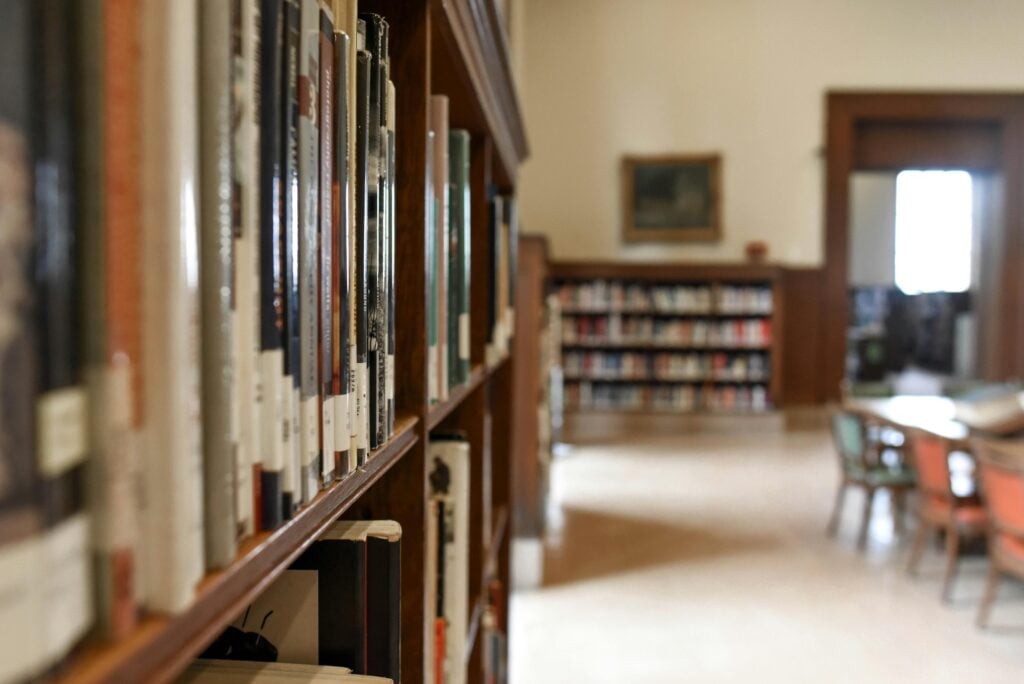
Image by Element5 Digital

Libraries not only promote discourse but are also subjects of discourse themselves

In the past, libraries primarily served as channels for disseminating discourse through books, magazines, newspapers, and other important documents. Today, they have also become subjects of discourse. There is a wide array of discourses about libraries on digital media, both positive and negative. It is essential to pay attention to these discourses to understand the digital native’s view of the library.

Despite the abundant discourse surrounding libraries in digital media, there remains a lack of research on the dynamics of these discourses and their implications for library management and public perception. A more comprehensive analysis of library-related discourse on digital platforms is therefore needed to better understand how such narratives shape public opinion and influence library use in the digital age.

This study examined discourses about libraries from various social media platforms. It collected relevant discussions and analyzed whether they were mainly positive or negative.

From the positive discussions, five themes emerged: a) the role of the library in creating new and adaptive learning environments to advances in digital technology; b) libraries need transformation to support the development of quality-friendly human resources, including for persons with disabilities, c) libraries are the spearhead driving literacy and cultural literacy in the digital native era, d) library public space as place for community development, and e) libraries become pioneers of financial literacy and creative economy development in the digital age.

On the other hand, the negative discussions reflected the following themes: a) libraries are stuck in conventional idealism and are therefore undeveloped; b) library functions are limited to storage spaces for collections of books and archives, and c) exclusivity behind the passive condition of libraries against changing times and developments in digital technology.

Positive discourses tend to come from stakeholders who head libraries and relevant larger agencies. Negative discourses were mainly from users who have experience visiting libraries, and from academics and netizens. Positive discourse about the library can be used to gauge the success of library management. Meanwhile, negative discourse can be used by policymakers and library managers to improve quality and service.

Authors: Dessy Harisanty (Faculty of Vocational Studies, Universitas Airlangga), Rahma Sugihartati (Faculty of Social and Political Sciences, Universitas Airlangga), Koko Srimulyo (Faculty of Social and Political Sciences, Universitas Airlangga), and Kathleen Lourdes Obille (School of Library and Information Studies, University of the Philippines Diliman)

Read the full paper: https://ijism.isc.ac/article_719275.html

Image by Element5 Digital