
Philippine island communities face unique healthcare challenges shaped by geographical isolation and disparities in technological access and literacy
25 Mar 2026
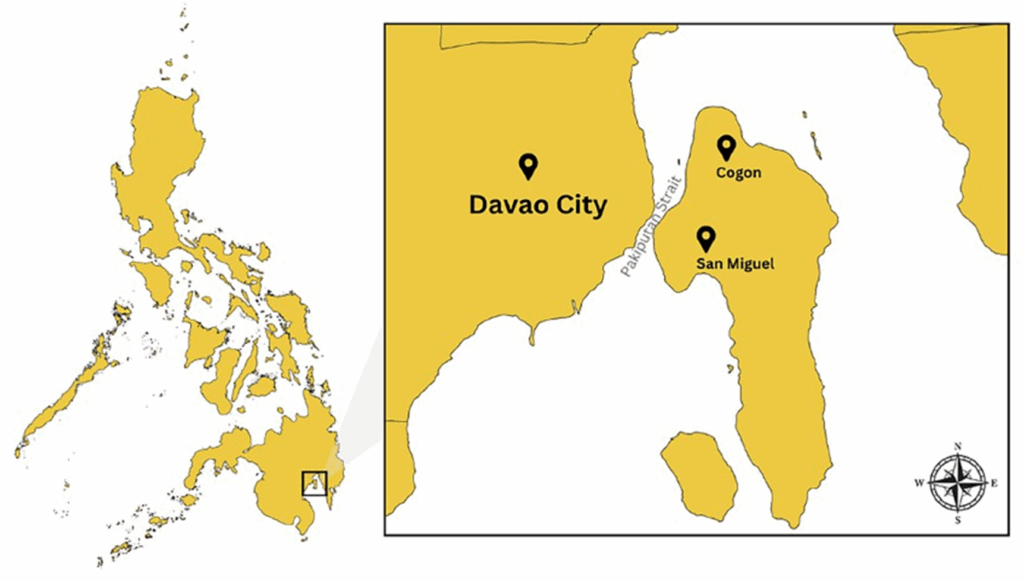
In regions separated by water and challenging terrain, the healthcare journey involves not only crossing physical distances but also navigating systems of care that remain largely inaccessible to geographically isolated populations. The Philippines exemplifies these challenges, having 7,641 islands that create a fragmented healthcare landscape.
This study explores how residents of Philippine island communities navigate healthcare systems when separated from mainland medical facilities by water. Using focus group discussions and interviews, researchers examined the experiences of 46 individuals from two rural villages in the Island Garden City of Samal in Davao del Norte, Mindanao.
The findings reveal a complex interplay between geographical isolation, digital connectivity, and social resources that shapes healthcare access. Digital patient navigation services create virtual bridges to mainland healthcare, reducing the financial and time burdens of travel across water. However, these services simultaneously create new forms of inequality based on access to technology and digital literacy, particularly affecting the elderly and economically disadvantaged populations. The island’s inconsistent internet connectivity and varying levels of technological capability create distinctive “digital geographies” that further impact healthcare access. Community health workers emerge as crucial connectors, helping those with limited technical skills access navigation services.
Based on these findings, the study recommends place-sensitive interventions, including strengthened community-based navigation support systems, strategic investments in technological infrastructure, and targeted information campaigns.
By exploring how geographical isolation intersects with factors such as digital connectivity, age, education, and economic status, the research provides valuable insights into healthcare access inequalities that affect millions worldwide.
The results have relevance beyond the Philippine archipelago, offering insights applicable to other geographically isolated settings worldwide—from remote mountain villages to coastal communities and other island nations. Understanding these place-specific healthcare navigation challenges can help policymakers develop more effective, contextually appropriate interventions that address both physical and digital barriers to healthcare access, potentially improving health outcomes for underserved populations in similar settings globally.
Authors: Cristela Mae C. Candelario (Department of Health Promotion and Education, College of Public Health, University of the Philippines Manila | School of Medical Laboratory Science, San Pedro College, Davao City) and Eleanor C. Castillo (Department of Health Promotion and Education, College of Public Health, University of the Philippines Manila)
Read the full paper: https://doi.org/10.1016/j.healthplace.2025.103482