
Gaps in a city’s urban landscape, also known as urban voids, have the potential to drive urban revitalization
01 Apr 2026
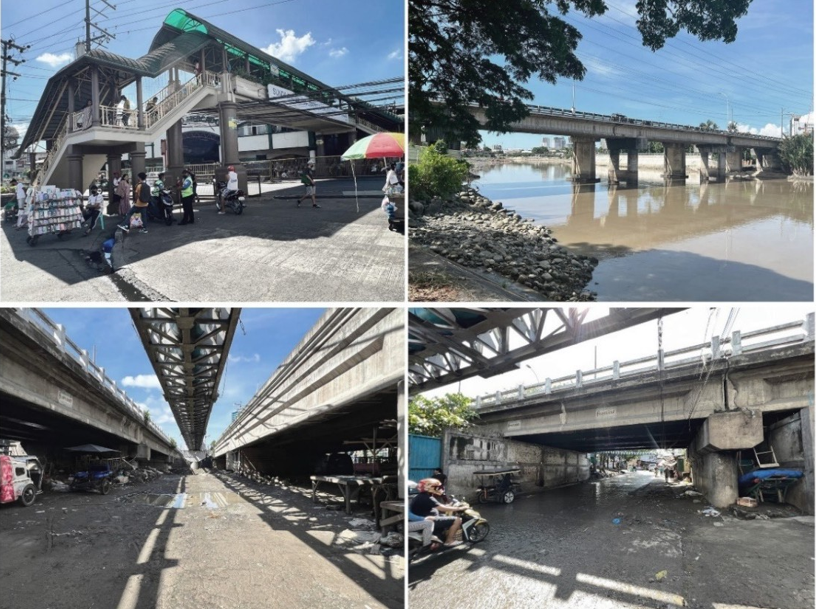
Suburbanisation is the expansion and spatial reorganization of a growing metropolitan region. For Davao City, this phenomenon has notably damaged the quality of life in the Poblacion District (local term for Central Business District or CBD) by creating gaps in the city’s urban landscape, gaps that are also referred to as urban voids. These urban voids present both a problem in the urban space and an opportunity for progressive development.
This study aims to explore the potential of urban voids in the local context of Davao City’s Poblacion District and its significance in promoting urban revitalisation and avoiding urban blight. In analysing the figure-ground map of the CBD produced solely for this study, five types of urban voids were identified: (a) derelict spaces; (b) infrastructure voids; (c) underutilised public spaces; (d) transitional spaces; and (e) exceptional cases combining derelict spaces and transitional spaces. Further assessment identified the factors that caused urban voids to include natural, geographic, political, economic, socio-cultural, and dysfunctional factors. The majority of the public perceives these spaces as opportunities rather than liabilities. Hence, active participation and cooperation of all stakeholders are needed to achieve sustainable urban revitalisation initiatives and successfully integrate urban voids into the urban fabric.
Population growth coupled with spatial expansion toward the suburbs, resulting in an increase in unoccupied inner urban areas, is one of the urban challenges in Davao City. While the city grapples with planning concerns and strives for sustainable urban environments, the focus on addressing infrastructure, resource security, biodiversity, and social equity is vital. These vacant spaces could potentially enhance economic activity and attract investors. Hence, to explore this, the research aims to explore urban void spaces in the Poblacion District, identifying and understanding their causes, historical use, governmental response, and strategies for beneficial development. Furthermore, it is hoped that in any case for urban revitalisation, the potential of urban voids is integrated into the development of the urban fabric.
Authors: Karl Wendell C. Magno (University of the Philippines Mindanao) and Isidoro M. Malaque III (Department of Architecture, College of Humanities and Social Sciences, University of the Philippines Mindanao)
Read the full paper: https://archscience.org/paper/urban-voids-in-the-cbd-of-davao-city-their-potential-towards-sustainable-infill-development-and-inner-urban-regeneration/