
Plant-based milk alternatives have lower caloric, fat, and cholesterol content than dairy milk but often contain more sugar and sodium

07 Apr 2026
The global market for plant-based milk alternatives (PBMiAs) is projected to grow steadily, reaching an estimated USD 30 billion by 2030 (Custom Market Insights, 2023). In the Philippines, the plant-based dairy alternative sector, once dominated by soy-based products (Euromonitor International, 2023), has since diversified to include a wider range of sources such as oats, peas, cashews, and other plant-based materials (Statista, 2022). A recent online survey of Filipino respondents (Statista, 2022) found that 78% of women (n = 6,487) and 75% of men (n = 2,794) reported consuming PBMiAs. As the demand for PBMiAs rises due to health, ethical, and environmental considerations, understanding their nutritional content becomes crucial for informed consumer choices.

This study evaluated the nutrients and ingredients of PBMiAs sold in Metro Manila and compared them with dairy milk (DM) samples. Label information on PBMiAs and DM was collected in major physical stores and online platforms. A total of 61 PBMiA products were categorized into four plant sources for milk alternatives: cereal (n = 8, e.g., oat, rice), coconut (n = 4), legume (n = 23; e.g., soy), nut (n = 15; e.g., almond, macadamia), and DM (n = 11).

On average, PBMiAs had significantly lower (p < 0.05) caloric content per 100 mL (p < 0.05) than DM (63.50 kcal) – with coconut-based (40.00 kcal), legume-based (47.00 kcal), and nut-based (26.00 kcal) options. Protein (cereal-based: 0.90 g, coconut-based: 0.40 g, nut-based: 0.50 g) and fat (cereal-based: 1.80 g, legume-based: 1.70 g, nut-based: 1.40 g) contents per 100 mL were also significantly lower (p < 0.05) compared to DM (3.35 g protein, 3.50 g fat). Likewise, PBMiAs had significantly higher (p < 0.05) protein costs (i.e., 4.35–58.63 PHP/mL) compared to DM (i.e., 3.08 PHP/mL).

PBMiA, particularly cereal-based (0.80 g), contained significantly higher (p < 0.05) dietary fiber per 100 mL than DM (0.00 g). Sodium content was higher in PBMiAs, though the difference was not significant (p > 0.05). Additionally, PBMiA often contains added sugars, salt, stabilizers, emulsifiers, oils, and acidity regulators for texture and flavor enhancement. These findings emphasize the importance of improving PBMiAs to meet nutritional quality and economic standards. Notably, many PBMiAs are fortified with micronutrients such as calcium, iron, potassium, and vitamins A, D, and E, thereby enhancing their nutritional value.

Standardized nutritional labeling and regulatory oversight of PBMiAs are needed to ensure transparency and consumer safety. Public education on the nutritional differences between PBMiAs and dairy milk is also important, especially for populations with specific dietary requirements.

Authors: Gerieka R. Anapi, Airisse Rae P. Basinang, Jin Mark DG. Pagulayan, and Casiana Blanca J. Villarino (Food Application and Sensory Laboratory, Department of Food Science and Nutrition, College of Home Economics, University of the Philippines Diliman)

Read the full paper: https://philjournalsci.dost.gov.ph/nutritional-profile-of-selected-plant-based-milk-alternatives-sold-in-metro-manila-the-philippines/

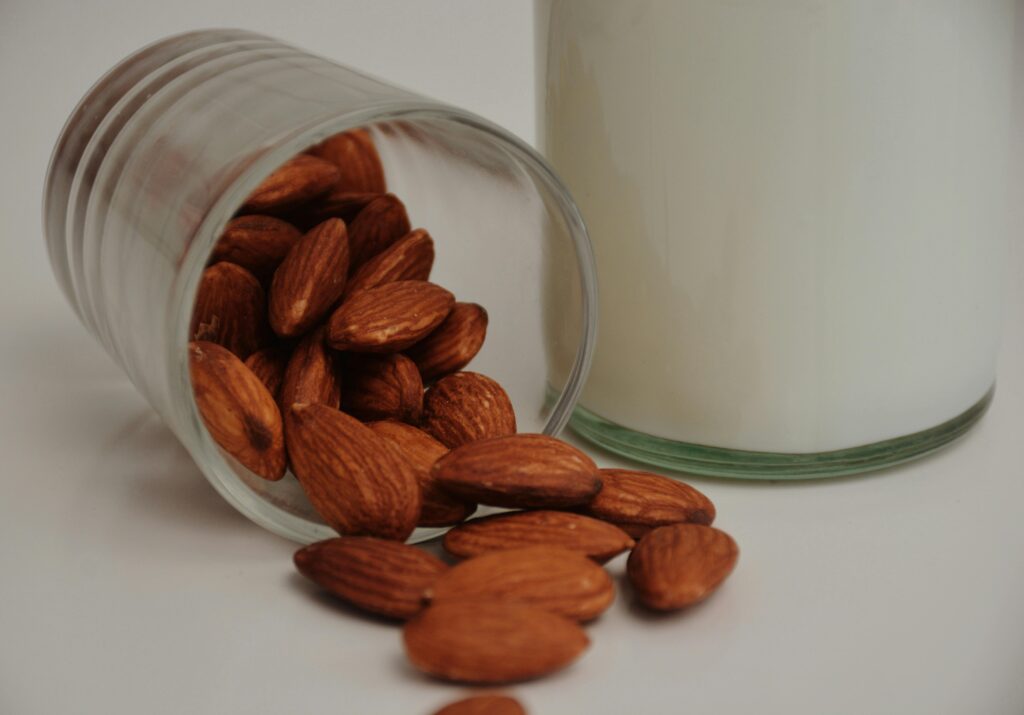
Image by Pegah Sharifi from Pexels

Plant-based milk alternatives have lower caloric, fat, and cholesterol content than dairy milk but often contain more sugar and sodium

The global market for plant-based milk alternatives (PBMiAs) is projected to grow steadily, reaching an estimated USD 30 billion by 2030 (Custom Market Insights, 2023). In the Philippines, the plant-based dairy alternative sector, once dominated by soy-based products (Euromonitor International, 2023), has since diversified to include a wider range of sources such as oats, peas, cashews, and other plant-based materials (Statista, 2022). A recent online survey of Filipino respondents (Statista, 2022) found that 78% of women (n = 6,487) and 75% of men (n = 2,794) reported consuming PBMiAs. As the demand for PBMiAs rises due to health, ethical, and environmental considerations, understanding their nutritional content becomes crucial for informed consumer choices.

This study evaluated the nutrients and ingredients of PBMiAs sold in Metro Manila and compared them with dairy milk (DM) samples. Label information on PBMiAs and DM was collected in major physical stores and online platforms. A total of 61 PBMiA products were categorized into four plant sources for milk alternatives: cereal (n = 8, e.g., oat, rice), coconut (n = 4), legume (n = 23; e.g., soy), nut (n = 15; e.g., almond, macadamia), and DM (n = 11).

On average, PBMiAs had significantly lower (p < 0.05) caloric content per 100 mL (p < 0.05) than DM (63.50 kcal) – with coconut-based (40.00 kcal), legume-based (47.00 kcal), and nut-based (26.00 kcal) options. Protein (cereal-based: 0.90 g, coconut-based: 0.40 g, nut-based: 0.50 g) and fat (cereal-based: 1.80 g, legume-based: 1.70 g, nut-based: 1.40 g) contents per 100 mL were also significantly lower (p < 0.05) compared to DM (3.35 g protein, 3.50 g fat). Likewise, PBMiAs had significantly higher (p < 0.05) protein costs (i.e., 4.35–58.63 PHP/mL) compared to DM (i.e., 3.08 PHP/mL).

PBMiA, particularly cereal-based (0.80 g), contained significantly higher (p < 0.05) dietary fiber per 100 mL than DM (0.00 g). Sodium content was higher in PBMiAs, though the difference was not significant (p > 0.05). Additionally, PBMiA often contains added sugars, salt, stabilizers, emulsifiers, oils, and acidity regulators for texture and flavor enhancement. These findings emphasize the importance of improving PBMiAs to meet nutritional quality and economic standards. Notably, many PBMiAs are fortified with micronutrients such as calcium, iron, potassium, and vitamins A, D, and E, thereby enhancing their nutritional value.

Standardized nutritional labeling and regulatory oversight of PBMiAs are needed to ensure transparency and consumer safety. Public education on the nutritional differences between PBMiAs and dairy milk is also important, especially for populations with specific dietary requirements.

Authors: Gerieka R. Anapi, Airisse Rae P. Basinang, Jin Mark DG. Pagulayan, and Casiana Blanca J. Villarino (Food Application and Sensory Laboratory, Department of Food Science and Nutrition, College of Home Economics, University of the Philippines Diliman)

Read the full paper: https://philjournalsci.dost.gov.ph/nutritional-profile-of-selected-plant-based-milk-alternatives-sold-in-metro-manila-the-philippines/

Image by Pegah Sharifi from Pexels