
Adolescent girls feel a deep sense of loss—both of self and of trust—after experiencing sexual abuse
04 Jun 2026
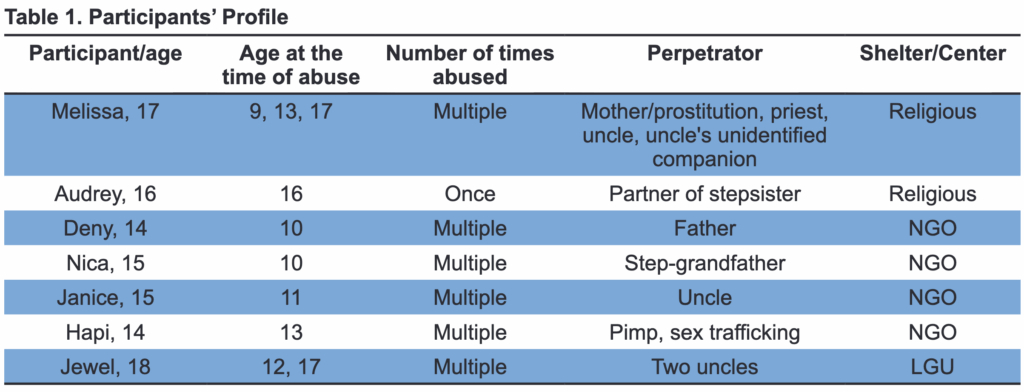
Sexual abuse is a significant issue for adolescent girls in the Philippines. In the Philippines, rape is the leading form of child sexual abuse, followed by incest and inappropriate touching. Our research explored how Filipino adolescent girls recover and rebuild their lives after experiencing sexual abuse. By conducting in-depth interviews, we learned about their personal journeys toward healing and resilience.
We found that these young survivors experience a profound sense of loss–of a sense of self and of trust–following abuse. However, they demonstrated remarkable resilience through multiple healing pathways. Their recovery was not sudden but rather a gradual process that continues over time. Supportive relationships with family members, friends, and counselors proved crucial in their healing journey. Faith emerged as a significant source of comfort and strength, with many participants describing how their belief in God helped them cope with trauma. An important milestone in their healing was reclaiming their sense of self-worth and identity beyond being victims. Interestingly, many expressed a desire to help others with similar experiences, finding purpose in supporting fellow survivors.
We also discovered that family dynamics played a critical role in both the abuse context and recovery process. Cultural factors, particularly a tendency toward silence about abuse, created additional challenges for survivors.
This study provides valuable insights into the experience of sexually abused adolescent girls, informing healthcare practice. The findings enable nurses and other helping professionals to offer culturally sensitive, trauma-informed care and develop targeted support interventions. Incorporating these insights into nursing education will enhance students’ competencies in trauma response, cultural sensitivity, and therapeutic communication with abuse survivors, leading to improved assessment protocols and care strategies.
Authors: Maria Lourdes T. Jarabe (Faculty of Management and Development Studies, University of the Philippines Open University) and Laili Rayuwalhati (Faculty of Nursing, Universitas Padjajaran)
Read the full paper: http://dx.doi.org/10.24198/jkp.v12i3.2555