
Although adequately staffed, some healthcare facilities in GIDAs face uneven distribution of health workers and reliance on temporary staff

05 Jun 2026
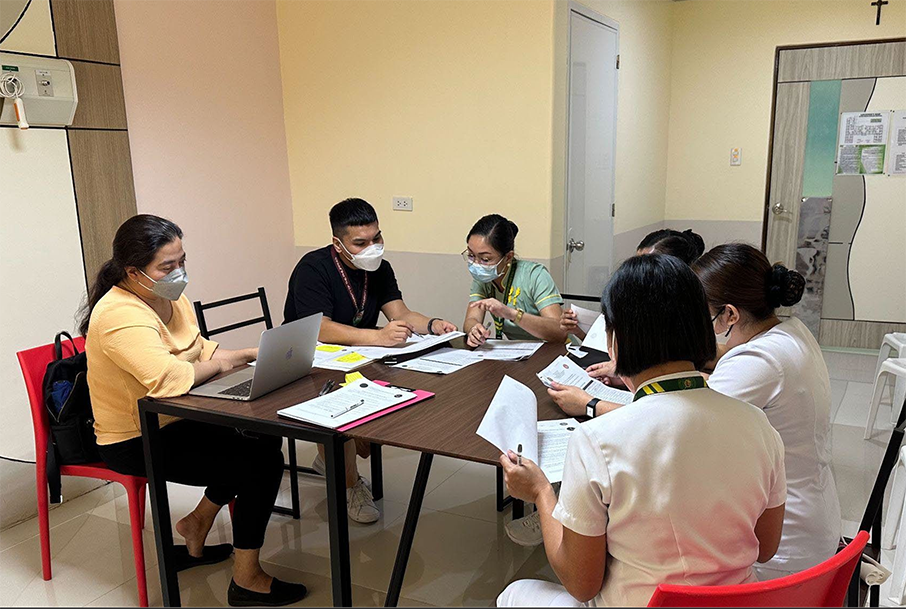
There is a need to evaluate the current staffing and workload among healthcare facilities in the country, particularly among geographically isolated and disadvantaged areas (GIDAs).

The present study assessed staffing and workload situations among three classes of healthcare workers (physicians, nurses, and midwives) in six primary care facilities in Surigao del Norte. Data were gathered through records review, focus group discussions, and key informant interviews. The findings showed varying levels of staffing (adequate, shortage, or surplus) and workload pressures (normal, high, low, or very low) among the healthcare facilities, influenced by several factors.

Despite the results showing that the majority of the primary care facilities had adequate staffing levels and low to normal workload pressures, understanding the community and situational factors influencing these results is crucial to ensure responsive planning and distribution of healthcare workers. Analysis showed that the deployment program of the Department of Health (DOH) contributed to reduced workload burden in some facilities, although staff maldistribution should be addressed. Situational limitations, such as temporary facility closures, recordkeeping problems, and health service delivery restrictions among the facilities, should also be considered when interpreting the current findings.

Notably, inadequate service coordination among health facilities, higher service demands from the community, and increased task delegation contributed to some nurses and midwives having staff shortages and workload burdens. Apart from understanding the health needs of the population, specific challenges in service delivery should also be considered when determining the staffing and workload requirements in GIDAs.

This study emphasizes the need for evidence-based planning to improve the distribution of human resources for health (HRH). Facilities that benefited from temporary staff augmentation programs reported adequate staffing and manageable workloads. However, challenges such as HRH maldistribution and overreliance on temporary staff were still evident. The study also noted that workload pressures were intensified by higher service demands, increased task delegation, and coordination difficulties, especially during service interruptions due to disasters.

The findings underscore the need to enhance HRH planning capacity at the local level and to promote evidence-based HRH strategies using the World Health Organization’s Workload Indicators of Staffing Need methodology. Strengthening collaboration among the DOH, local government units, and health facilities is essential to optimizing staffing, rationalizing HRH distribution, and ensuring service delivery aligns with local needs and contextual factors. Overall, these findings provide actionable insights for improving the effectiveness and sustainability of primary care services, particularly in underserved regions of the Philippines.

Authors: Laurence Lloyd B. Parial (College of Nursing, University of the Philippines Manila), Erwin William A. Leyva (National Institute of Nursing Research, National Institutes of Health, Maryland, USA), Kathryn Lizbeth L. Siongco (College of Nursing, University of the Philippines Manila), Luz Barbara P. Dones (College of Nursing, University of the Philippines Manila), Alexandra Belle S. Bernal (College of Nursing, University of the Philippines Manila), Julianne Anika C. Lupisan (College of Nursing, University of the Philippines Manila), Daphne C. Santos (Faculty of Pharmacy, University of Santo Tomas, Manila), Micah Marnie C. Diamaoden (ollege of Nursing, Silliman University, Dumaguete City), and Sheila R. Bonito (College of Nursing, University of the Philippines Manila)

Read the full paper: https://doi.org/10.47895/amp.v58i12.9268

Although adequately staffed, some healthcare facilities in GIDAs face uneven distribution of health workers and reliance on temporary staff

There is a need to evaluate the current staffing and workload among healthcare facilities in the country, particularly among geographically isolated and disadvantaged areas (GIDAs).

The present study assessed staffing and workload situations among three classes of healthcare workers (physicians, nurses, and midwives) in six primary care facilities in Surigao del Norte. Data were gathered through records review, focus group discussions, and key informant interviews. The findings showed varying levels of staffing (adequate, shortage, or surplus) and workload pressures (normal, high, low, or very low) among the healthcare facilities, influenced by several factors.

Despite the results showing that the majority of the primary care facilities had adequate staffing levels and low to normal workload pressures, understanding the community and situational factors influencing these results is crucial to ensure responsive planning and distribution of healthcare workers. Analysis showed that the deployment program of the Department of Health (DOH) contributed to reduced workload burden in some facilities, although staff maldistribution should be addressed. Situational limitations, such as temporary facility closures, recordkeeping problems, and health service delivery restrictions among the facilities, should also be considered when interpreting the current findings.

Notably, inadequate service coordination among health facilities, higher service demands from the community, and increased task delegation contributed to some nurses and midwives having staff shortages and workload burdens. Apart from understanding the health needs of the population, specific challenges in service delivery should also be considered when determining the staffing and workload requirements in GIDAs.

This study emphasizes the need for evidence-based planning to improve the distribution of human resources for health (HRH). Facilities that benefited from temporary staff augmentation programs reported adequate staffing and manageable workloads. However, challenges such as HRH maldistribution and overreliance on temporary staff were still evident. The study also noted that workload pressures were intensified by higher service demands, increased task delegation, and coordination difficulties, especially during service interruptions due to disasters.

The findings underscore the need to enhance HRH planning capacity at the local level and to promote evidence-based HRH strategies using the World Health Organization’s Workload Indicators of Staffing Need methodology. Strengthening collaboration among the DOH, local government units, and health facilities is essential to optimizing staffing, rationalizing HRH distribution, and ensuring service delivery aligns with local needs and contextual factors. Overall, these findings provide actionable insights for improving the effectiveness and sustainability of primary care services, particularly in underserved regions of the Philippines.

Authors: Laurence Lloyd B. Parial (College of Nursing, University of the Philippines Manila), Erwin William A. Leyva (National Institute of Nursing Research, National Institutes of Health, Maryland, USA), Kathryn Lizbeth L. Siongco (College of Nursing, University of the Philippines Manila), Luz Barbara P. Dones (College of Nursing, University of the Philippines Manila), Alexandra Belle S. Bernal (College of Nursing, University of the Philippines Manila), Julianne Anika C. Lupisan (College of Nursing, University of the Philippines Manila), Daphne C. Santos (Faculty of Pharmacy, University of Santo Tomas, Manila), Micah Marnie C. Diamaoden (ollege of Nursing, Silliman University, Dumaguete City), and Sheila R. Bonito (College of Nursing, University of the Philippines Manila)

Read the full paper: https://doi.org/10.47895/amp.v58i12.9268