
Most students recognize the relevance of learning competencies in chemistry to sustainable development
23 Jan 2026
Chemistry is deeply interconnected with various aspects of sustainability. However, enabling students to analyze these interconnections requires adequate support in learning. Moreover, few studies have explored the connection between students’ perceptions of chemistry learning competencies and their sustainability competencies that could be the basis for improving pedagogical practices.
There is a dearth in literature related to chemistry education and the UN Sustainable Development Goals (SDGs), particularly within the Philippine context, where there are limited studies focused on the integration of sustainability in education (Duran & Mariñas, 2024). This gap highlights the need for focused research on chemistry education and its link to the SDGs, as education is crucial for achieving all other SDGs (UNESCO, 2017).
This research investigated Filipino Grade 12 students’ perceived performance and the relevance of chemistry learning competencies to sustainable development. It explored the students’ sustainability competencies, specifically action competence and critical thinking disposition. The Performance-Relevance Grid Analysis categorized the learning competencies based on the extent of perceived performance and relevance.
The analysis showed a correlation between students’ perceived performance and relevance (p = 0.015). Additionally, critical thinking disposition was found to be correlated with students’ perceived performance (p = 0.002) and relevance of chemistry learning competencies (p = 0.036) as well as with action competence (p < 0.001).
The analysis showed that students generally rated their performance in chemistry learning competencies as average. However, most were able to recognize the relevance of these competencies to sustainable development, indicating a growing awareness of chemistry’s important role in addressing socio-scientific issues.
Research findings provide crucial insights for future research and practice that could drive the integration of sustainability in chemistry education. This integration not only enhances the relevance of chemistry, but also encourages students to see the broader implications of their studies in the context of sustainable practices and societal impact.
Enabling students to discern and analyze the interconnections of chemistry and sustainability requires the provision of adequate scaffolding. At the same time, there is a need for considerable depth of understanding of the subject matter to establish these interconnections. It is recommended to promote a more holistic understanding of sustainability issues by integrating multiple disciplines, such as science, social studies, and ethics. This interdisciplinary approach strengthens critical thinking and encourages students to take informed action from diverse perspectives.
Authors: Hazel Joyce Ramirez (Division of Curriculum and Instruction, College of Education, University of the Philippines Diliman) and Edwehna Elinore Paderna (Department of Science Education, University of the Philippines Diliman)
Read the full paper: https://www.degruyter.com/document/doi/10.1515/cti-2024-0087/html
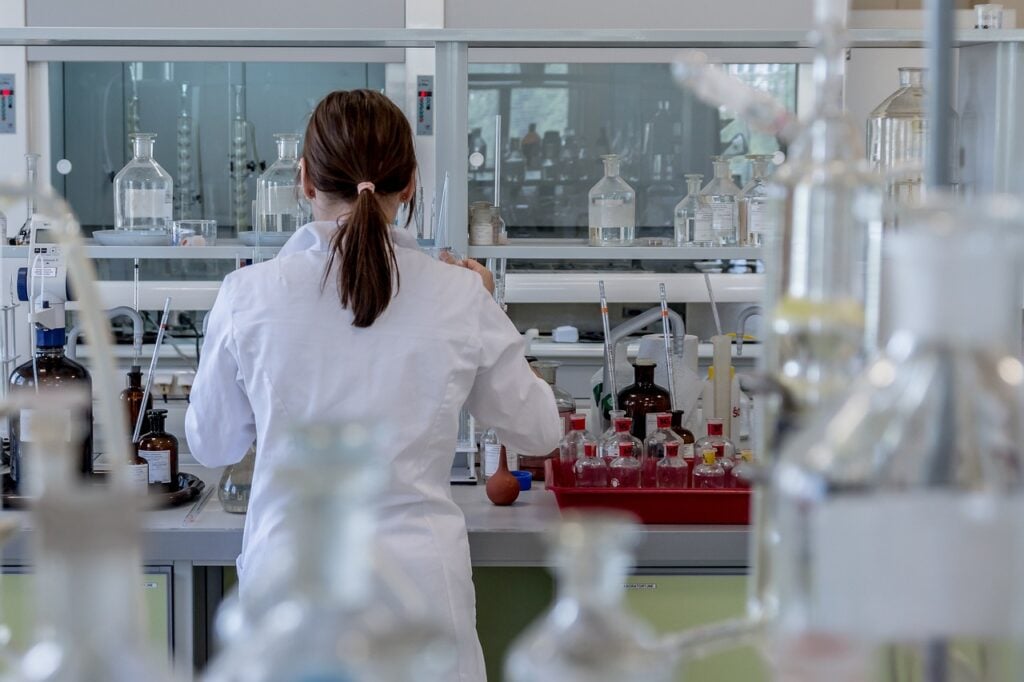
Image by Michael Jarmoluk from Pixabay