
Scientists create the first draft genome of the endangered Visayan spotted deer, a species found only in the Philippines
20 Mar 2026
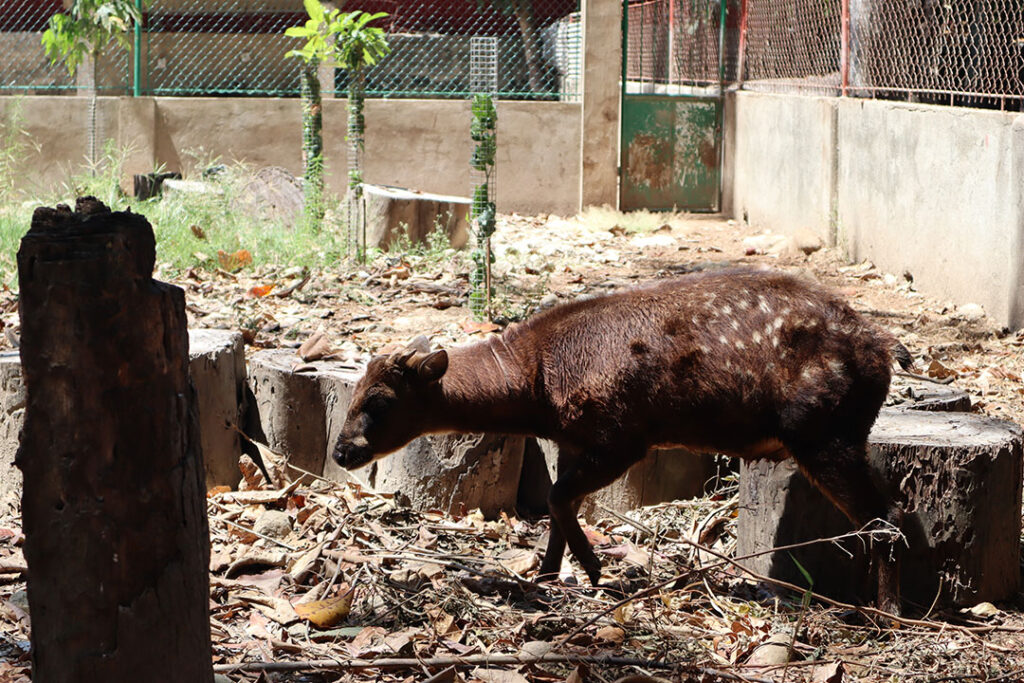
The genus Rusa, native to South and Southeast Asia, lives in diverse habitats ranging from dense forests to grasslands. Among its members is the Visayan spotted deer, also known as the Philippine spotted deer and Rusa alfredi, one of three endemic species in the Philippines. It is a highly rare and endangered species indigenous to the Visayan Islands, a region considered a top conservation priority due to its many threatened endemic species and the severe risks to its habitats. The Visayan spotted deer is characterized by its soft, dark brown coat and distinct nominal spots. It once played a crucial role as an herbivore in influencing vegetation dynamics. However, its disappearance from most areas makes it difficult to fully determine its historical ecological impact. R. alfredi has been classified as endangered in the Red List of Endangered Species of the International Union for Conservation of Nature since 1988. It is estimated that only 700 mature individuals were in the wild as of 2016. More broadly, the genus Rusa is experiencing a rapid decline in biodiversity worldwide and is facing a high risk of global extinction.
Despite its importance to local ecosystems, little is known about the genetics of the Visayan spotted deer, which is crucial for understanding its survival and conservation needs. In this study, we created the first draft genetic map (or “genome”) for this species, providing a comprehensive set of its genetic instructions. This genome, named RusAlf_1.1, contains over 24,000 genes and encompasses more than 95% of the expected genetic material for mammals, making it a high-quality resource for researchers. By comparing this genome to those of other deer, we found that the Visayan spotted deer is closely related to species in the Cervus group, such as the Red Deer. This information will help conservationists track genetic diversity, identify unique adaptations, and improve breeding programs, ensuring a healthier, more resilient population. The genome is critical to protecting this unique species from extinction.
Authors: Ma. Carmel F. Javier (Philippine Genome Center Visayas, University of the Philippines Visayas), Albert C. Noblezada (Philippine Genome Center Visayas, University of the Philippines Visayas), Persie Mark Q. Sienes (Biology Department, Silliman University), Robert S. Guino-o (Angelo King Center for Research and Environmental Management, Silliman University), Nadia Palomar-Abesamis (Biology Department, Silliman University), Maria Celia D. Malay (Marine Science Institute, University of the Philippines Diliman), Carmelo S. del Castillo (Institute of Aquaculture, College of Fisheries and Ocean Sciences, University of the Philippines Visayas | National Institute of Molecular Biology and Biotechnology, University of the Philippines Visayas) and Victor Marco Emmanuel N. Ferriols (Philippine Genome Center Visayas, University of the Philippines Visayas | Institute of Aquaculture, College of Fisheries and Ocean Sciences, University of the Philippines Visayas)
Read the full paper: https://gigabytejournal.com/articles/150?fbclid=IwY2xjawIuIY5leHRuA2FlbQIxMAABHXYBX6eGtjXnpIF2sKdnTWVtrVj_PK0M6MMFdtunoX2cT0wN-FYYcLpqaQ_aem_2rMyZCQgCZntaUlc7XyEow
You can read more about the research in this feature by the UP System Media and Communication Office: https://up.edu.ph/up-su-gene-scientists-share-groundbreaking-draft-genome-of-endangered-visayan-spotted-deer/
Image by Leandro Cabrera