
Yerba buena has a wide range of potential health benefits, including antibacterial, pain relieving, and anticancer properties
27 Apr 2026
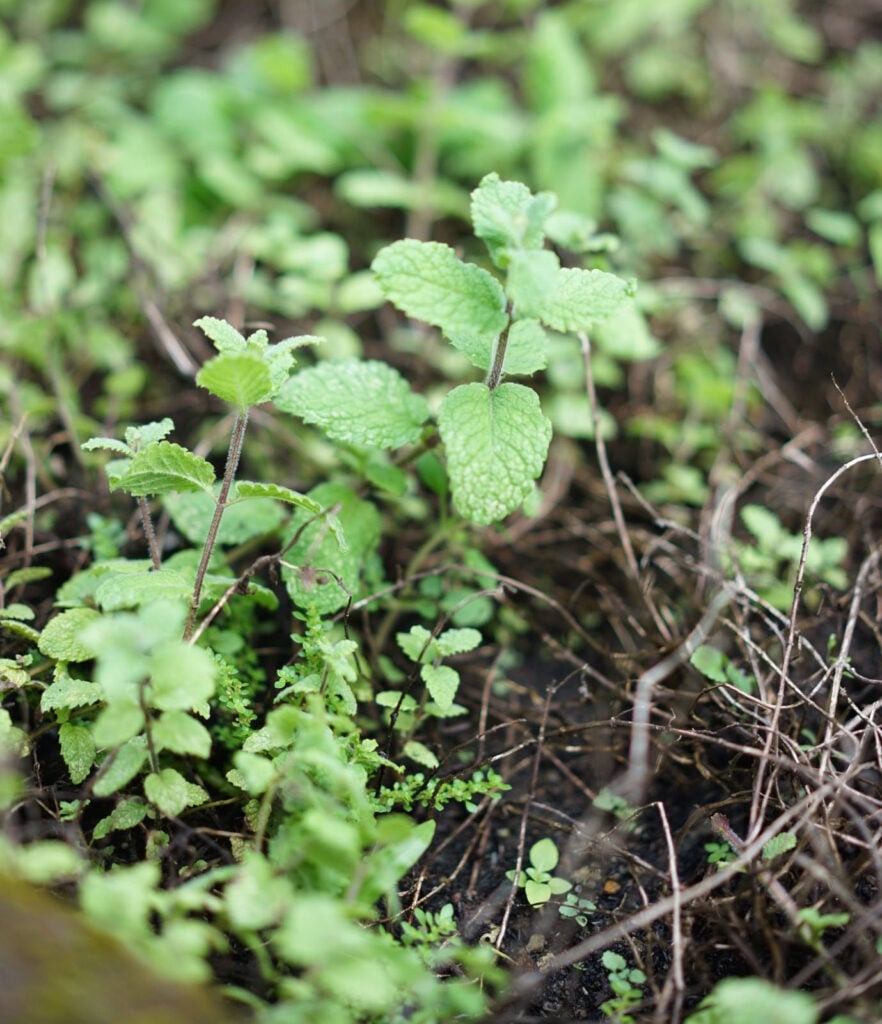
Yerba buena (Mentha × villosa Huds., family Lamiaceae) is one of the ten herbal medicines endorsed by the Department of Health. It is known by various local names, including ablebana (Ifugao), herba buena and hilbas (Tagalog), and karapbo (Surigao del Norte), as well as by several English names such as American wild mint, brook mint, corn mint, field mint, tule mint, and peppermint. Traditionally, its leaves and derived preparations have been used to manage a wide range of conditions, including cough, toothache, colds, headache, migraine, dizziness, fainting, hysteria, gas or bloating, arthritis, intestinal worms, menstrual cramps, ear pain, influenza, fever, and general pain, and are also used as a mouthwash.
This study focused on understanding the health benefits of yerba buena, a medicinal plant commonly used in traditional remedies. Researchers gathered information from online databases, the Philippine National Library, and unpublished clinical trials, covering data from 1950 to 2023.
Out of 37 studies initially identified, 18 were included after thorough review. Lab and animal studies revealed that yerba buena has various health benefits, including its ability to lower blood pressure, fight bacteria, kill parasites, combat tumors, fight viruses, and relieve pain. Safety studies also showed that it has properties that may prevent genetic mutations. A clinical trial comparing yerba buena to paracetamol found that the plant’s pain-relieving effects were just as effective as the common over-the-counter medication.
In summary, yerba buena has a wide range of potential health benefits, including antibacterial, pain relieving, and anticancer properties. Among these, its ability to relieve pain is the only benefit that has been tested on humans so far.
Authors: Jade P. Rodriguez, Essel N. Tolosa, and Charisse Leanne B. Legaspi (all from the Institute of Herbal Medicine, National Institutes of Health, University of the Philippines Manila)
Read the full paper: https://actamedicaphilippina.upm.edu.ph/index.php/acta/article/view/8401