
Researchers design a potential mRNA vaccine against African swine fever using advanced computer-based methods
21 Jan 2026
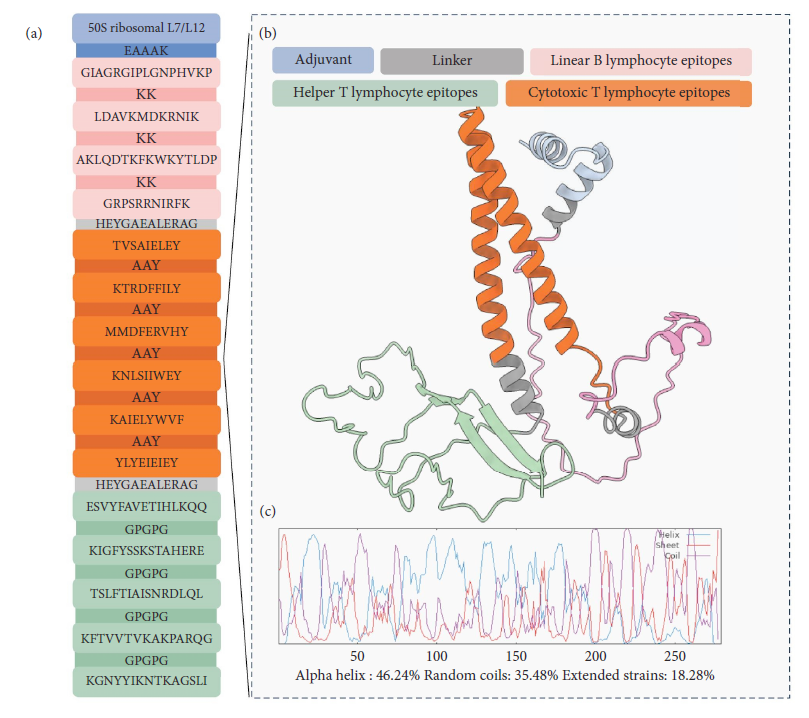
African swine fever (ASF) is a deadly disease that has severely impacted pig farming worldwide. In the Philippines, ASFV outbreaks led to the culling of over 300,000 pigs and caused pork production to drop by 20.8% in 2021. Because the disease spreads easily and can kill or sicken nearly all infected pigs, it continues to threaten the pig industry, affecting both the economy and biodiversity.
Vaccination is one of the most effective ways to control ASFV. Previous vaccines, like inactivated vaccines, were ineffective, while live-attenuated vaccines, such as ASFV-G-ΔI177L—the first commercial ASF vaccine developed in Vietnam—carry risks like reverting to a virulent form or, for DNA vaccines, integrating into the host genome.
The use of mRNA vaccines eliminates these risks, offering a safe, cost-effective, and efficient vaccine strategy against ASFV. mRNA vaccine development currently focuses on protecting against zoonotic diseases like foot-and-mouth disease, rabies, influenza, and mosquito-borne flaviviruses. These vaccines generate stronger immune responses compared to traditional vaccines. RNA-based products for swine, targeting viruses such as PCV2, PSV3, rotavirus, sapovirus, influenza A, and porcine epidemic diarrhea virus, were introduced by Merck in 2018 under the brand name Sequivity and are licensed by the USDA. However, no RNA-based vaccines currently exist for ASFV.
This study uses advanced computer-based methods to design a potential mRNA vaccine that could safely and effectively protect pigs from ASF. Using bioinformatics and computational modeling, researchers designed a vaccine that can trigger strong immune responses in pigs while being safe and stable. The vaccine was tested in simulations and showed strong immune responses, meaning it could help pigs fight off the virus. These promising results suggest that further lab testing could bring us closer to a real ASF vaccine, offering hope for the pig industry and food security.
Authors: Ella Mae Joy S. Sira (Department of Science and Technology, Virology and Vaccine Research Program, Industrial Technology Development Institute), Lauren Emily Fajardo (Department of Science and Technology, Virology and Vaccine Research Program, Industrial Technology Development Institute), Edward C. Banico (Department of Science and Technology, Virology and Vaccine Research Program, Industrial Technology Development Institute), Nyzar Mabeth O. Odchimar (Department of Science and Technology, Virology and Vaccine Research Program, Industrial Technology Development Institute) and Fredmoore L. Orosco (Department of Science and Technology, Virology and Vaccine Research Program, Industrial Technology Development Institute | Department of Biology, College of Arts and Sciences, University of the Philippines Manila | Department of Science and Technology, S&T Fellows Program)
Read the full paper: https://onlinelibrary.wiley.com/doi/full/10.1155/vmi/2638167