
Although tuyo processing in Pandawan Fish Port follows standard codes, certain handling methods raise safety and hygiene concerns
14 Jul 2026
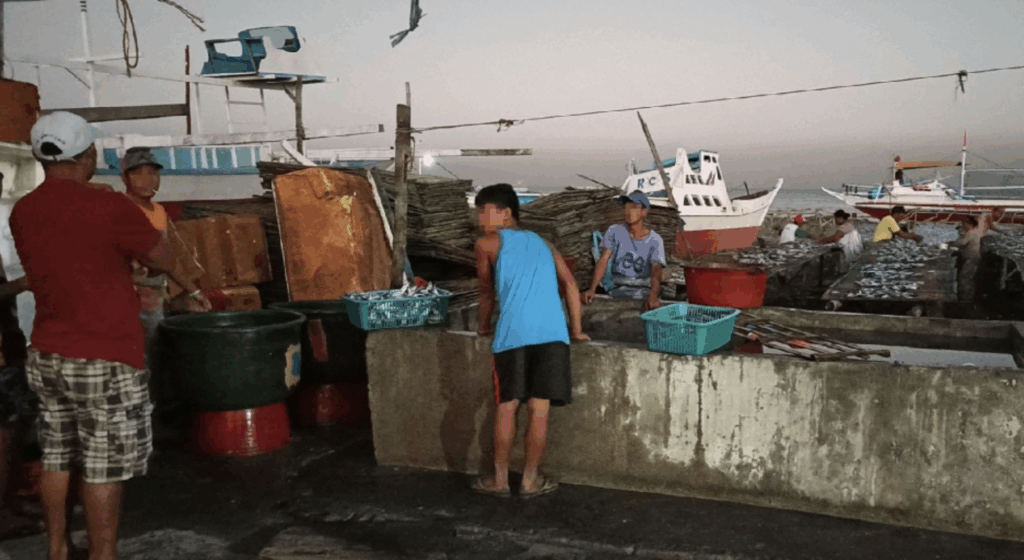
Dried, salted fish, also known as tuyo, is a well-known Filipino staple. To many small fisherfolk in Pandawan Fish Port, Rosario, Cavite, tuyo is one of their sources of income. This study documented the process of making tuyong laolao in Pandawan, from receiving fish, to washing, salting, rinsing, sun drying, pressing, cooling, and packing. Pandawan is a key area in the informal tuyo trade, reaching various parts of the country through local trading channels.
While the general process flow adhered to the recommended code of practice, several practices, including the lack of handwashing, inadequate sanitation of equipment and materials, the use of rusty equipment, and the use of Manila Bay water as process water, raised concerns about hygiene and food safety. Laboratory results show that although Pandawan tuyo complies with some national standards, it has a lower salt content, higher moisture content, and higher microbial levels than recommended, which directly affect its safety and shelf life. These results indicate that limited access to proper facilities and training negatively impacts the quality of dried, salted fish.
By connecting post-harvest practices with the chemical and microbial properties of tuyo, this study highlighted the urgent need for training and support to improve fish processing conditions at Pandawan Fish Port, Rosario, Cavite. With support from local government units, including hands-on training, rehabilitation of the Pandawan Fish Port processing area, and access to better tools and equipment, fish processors can significantly improve the safety and quality of their products. This study has emphasized the importance of the documentation of traditional practices to support fisherfolk and ensure the sustainability and future of culturally-significant foods.
Authors: Abigail Ann Alano Ching (Department of Food Science and Nutrition, College of Home Economics, University of the Philippines Diliman), Myrna Benita Zamora Luna (Department of Food Science and Nutrition, College of Home Economics, University of the Philippines Diliman) and Janice Alano Ragaza (Ateneo Aquatic Fisheries and Resources Laboratory, Department of Biology, School of Science and Engineering, Ateneo de Manila University)
Read the full paper: https://doi.org/10.1051/bioconf/202413602002