Learning privilege is defined not only by individual talent or effort, but also by the support systems and structural opportunities available to a student
26 Aug 2026
Learning privileges are defined as factors in a student’s environment, i.e., personal, economic, and social circumstances, that give some students certain advantages, whether they realize it or not. These advantages shape how they experience and succeed in learning.
Using PRISMA, this study looked at the different kinds of advantages, or learning privileges, that STEM students experienced in school before, during, and after the COVID-19 pandemic. By reviewing numerous studies across three periods, the research identified nine key areas that shape these privileges. Three are broad factors: availability, accessibility, and usefulness, while six are more specific, including learning resources, social support, teaching competencies, individual capacity, technological considerations, and institutional support. The study found that these areas do not work separately; instead, they interact and influence each other. This means that a student’s learning experience depends on how well these factors align in the environment.
Significantly, learning privilege is not just about individual talent or effort; it also depends on the support systems and opportunities surrounding the student. This helps explain why some students succeed more easily than others, even when they work equally hard. The findings suggest that schools and policymakers should design programs that address multiple areas at once and encourage everyone to recognize unseen advantages and take part in creating a more equal educational system.
This research aims to deepen the understanding of how STEM students’ learning privileges evolve across pre-pandemic, pandemic, and post-pandemic contexts. By identifying nine interrelated aspects, anchored on availability, accessibility, and perceived utility, the study highlights that learning privilege is not an individual advantage but a product of systemic interactions among personal, educational, social, and institutional factors.
The conceptual model offers a valuable framework for educators and policymakers to design comprehensive, equity-driven interventions that go beyond isolated solutions. It also encourages reflective practice among teachers as allies in addressing disparities and empowering learners. More importantly, the study amplifies the discourse on educational privilege by bridging conceptual insight with actionable implications. It calls for collective reflection among students, teachers, and stakeholders, urging them to recognize privilege not merely as an advantage but as a shared responsibility toward achieving a more equitable STEM education landscape.
Author: Laurence Beruin (University of the Philippines Los Baños)
Read the full paper: https://doi.org/10.1007/s44217-025-00902-y
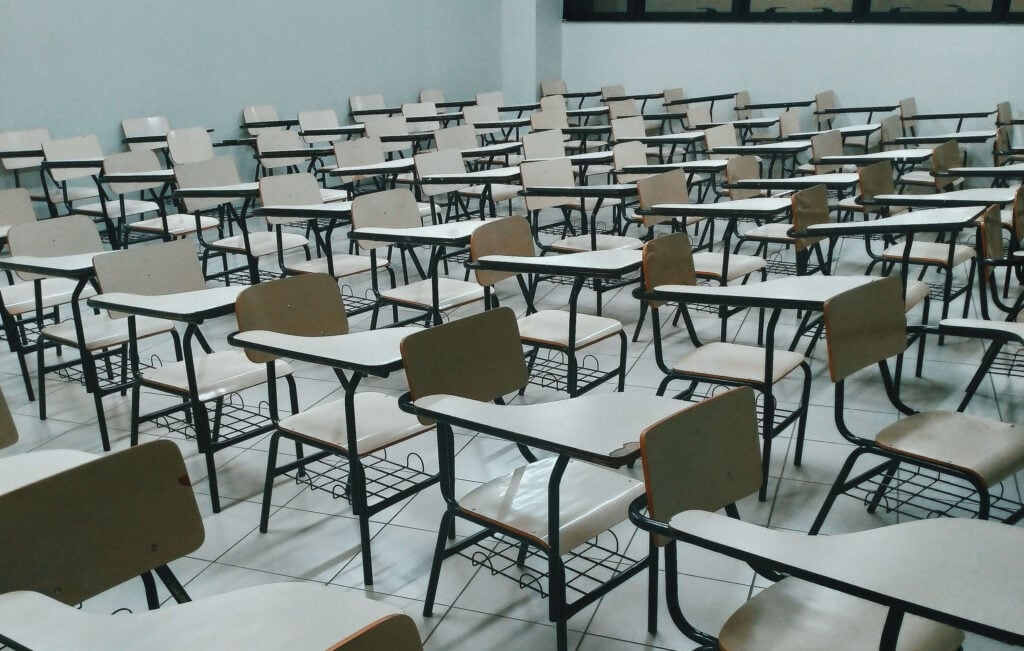
Image by Natã Romualdo from Pexels