
Methane output from growing dairy buffaloes is strongly linked to the amount and type of nutrients they digest
23 Sep 2026
Agriculture contributes greatly to climate change, mainly through methane released by farm animals. In 2016, the Intergovernmental Panel on Climate Change reported that farming, forestry, and land use produced about 27% of global greenhouse gases. In the Philippines, livestock accounted for over 75% of methane emissions from 2010–2018, peaking in 2017. Ruminants like cattle and buffalo produce methane during digestion when microbes break down plant feed. Farmers can reduce these emissions through better feeds, animal health, and breeding.
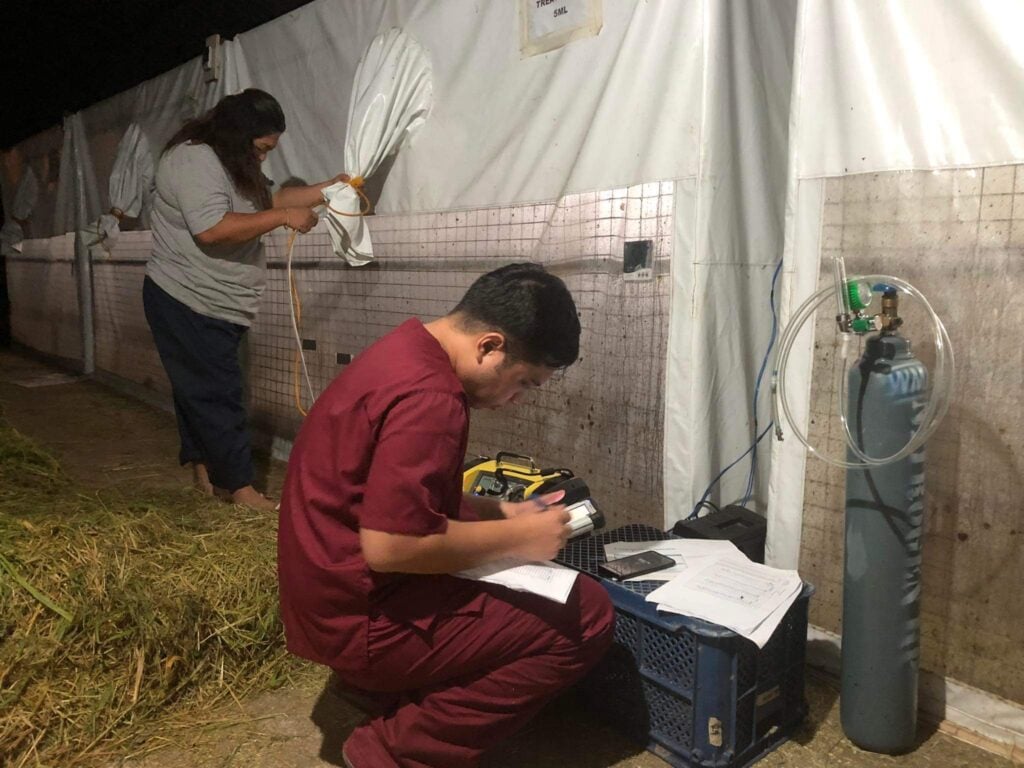
Probiotics—beneficial microbes—may help improve digestion and reduce methane. This study tested probiotics in growing dairy buffaloes to measure effects on growth, digestion, and methane output. This study tested the effects of probiotics on four young dairy buffaloes with similar weights, ages, and sexes. The animals received different treatments: no probiotics, 5 mL, 10 mL, and 15 mL of probiotic supplement, using a rotation system so each animal received all treatments. They were fed the test diets during the trial and a control diet during wash-out periods. Results showed no significant differences in growth, digestion, or methane emissions between treatments. However, methane output was strongly linked to the amount and type of nutrients eaten and digested. Using these relationships, we developed a prediction model. This model can help improve methane emission estimates in the Philippines, supporting more accurate, country-specific inventories.
Several studies have showcased the promising effects of probiotics. However, further research is needed on their effects on ruminants in the Philippines, particularly on how they affect the country’s enteric methane emissions. In addition, in-house farm studies may contribute to foundational research. Therefore, this study evaluated the effects of probiotics on growth performance, nutrient digestibility, and enteric methane emissions in growing dairy buffaloes. This work also analyzed relationships among growth, nutrient digestibility, and enteric methane emissions to develop predictive models that can support methane emission inventory data specific to growing buffaloes in the Philippines.
Authors: Christian V. Lualhati (Institute of Animal Science, College of Agriculture and Food Science, University of the Philippines Los Baños), Karl Reginald D. Managa (Bureau of Plant Industry, Malate, Metro Manila, Philippines), Charity I. Castillo (Philippine Carabao Center Science City of Muñoz, Nueva Ecija, Philippines), Phoebe Lyndia T. Llantada (Philippine Carabao Center Science City of Muñoz, Nueva Ecija, Philippines), and Arnel N. Del Barrio (Dairy Training and Research Institute, College of Agriculture and Food Science, University of the Philippines Los Baños)
Read the full paper: https://pas.uplb.edu.ph/issues/vol-108-no-2-jun-2025/ https://www.ukdr.uplb.edu.ph/cgi/viewcontent.cgi?article=1157&context=pas