Compared to authoritarian governments, democracies request user data from Facebook at a higher rate
15 Jul 2026
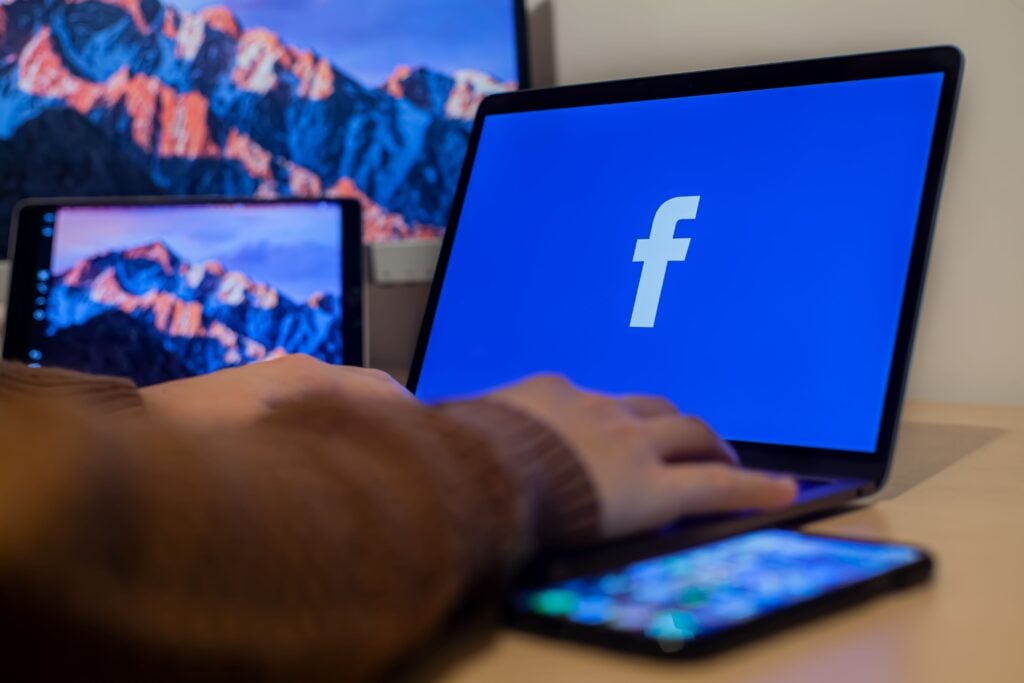
Think only authoritarian regimes spy on their citizens? Think again. A new study finds that democracies— yes, even the ones that are supposed to protect your rights—are more likely than autocracies to snoop on your Facebook data.
The study, recently published in the journal Democratization, looked at Facebook’s transparency reports from 176 countries over ten years (2013–2023). These reports show how often governments ask Facebook for user information, such as messages, photos, or account details. By comparing this data with how democratic each country is based on well-known indices, it was found that democracies actually make more data requests than authoritarian governments. More alarmingly, many of these requests are made during so-called “emergencies” and do not go through normal legal channels. The study refers to this phenomenon as the “democratic surveillance paradox” because governments that are supposed to protect citizens’ rights engage in more surveillance and justify it as necessary for national security or public safety. Ironically, the more responsive a democracy is expected to be, the more pressure it feels to act fast. This means skipping safeguards meant to protect citizens’ privacy. The findings matter especially in a time when social media has become ubiquitous, and the line between safety and surveillance is getting blurry. If democracies are doing this in secret, how different are they from the regimes they criticize? The study is also a wake-up call. In the age of social media, even the freest societies need stronger checks to stop government overreach.
This finding is surprising and, at the same time, troubling. In theory, democratic governments are supposed to protect individual rights, respect privacy, and promote freedom of expression. But in practice, they may use those same values, raising the need for the state to ensure transparency and accountability, to justify surveillance. Democracies, precisely because they are expected to respond quickly and effectively to threats, end up requesting more data from platforms like Facebook than authoritarian states do.
What makes the study stand out is how it uses real-world data to show that even countries with strong legal institutions can sidestep safeguards by relying more and more on emergency powers. This has serious implications for everyone. It suggests that surveillance is not just a problem in non-democratic countries; it is becoming normal even in societies that claim to be free. If democracies are increasingly behaving like “stalker states,” it raises serious concerns on how we can safeguard our personal information and ensure government actions remain transparent and accountable in a world where so much of our daily lives takes place online.
Author: Rogelio Alicor L. Panao (Department of Political Science, University of the Philippines Diliman)
Read the full paper: https://doi.org/10.1080/13510347.2025.2484575