
Research
As the national university, we champion and support innovative research that addresses the country’s most pressing challenges.

19 Oct 2023
Children as young as two months are exposed to digital media for an average of two hours every day
The dramatic increase in the touchscreen exposure of very young children has raised issues regarding the potentials and perils that...
Read More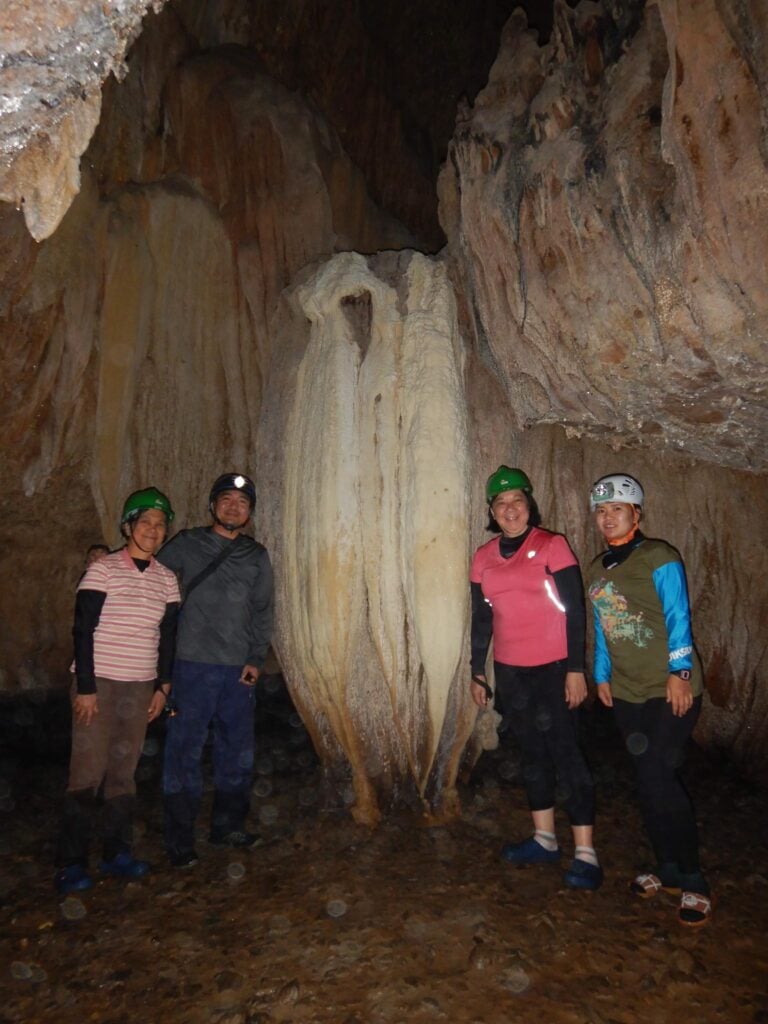
11 Oct 2023
Caves require greater management as important, but seldom studied, nonrenewable resources
Caves are significant nonrenewable resources that provide a variety of ecosystem services with varying sensitivities to disturbance. In the Philippines,...
Read More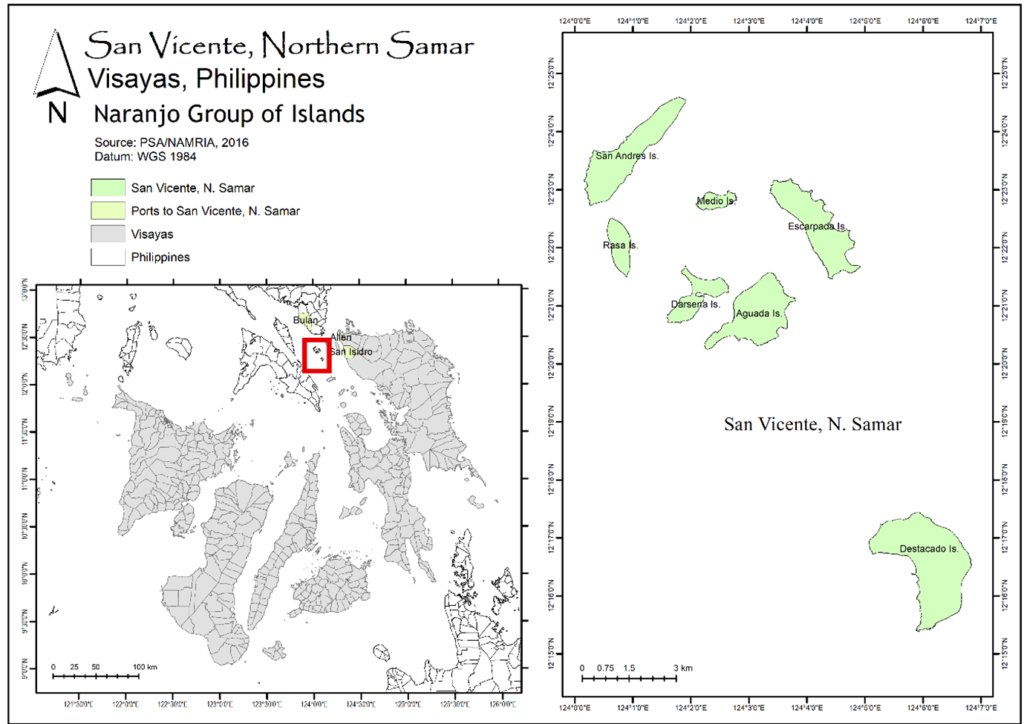
10 Oct 2023
Small islands in Northern Samar are linked by political, economic and social reasons
The Philippines as an archipelago is made up of many islands. Most of these islands are characterized as small, isolated,...
Read More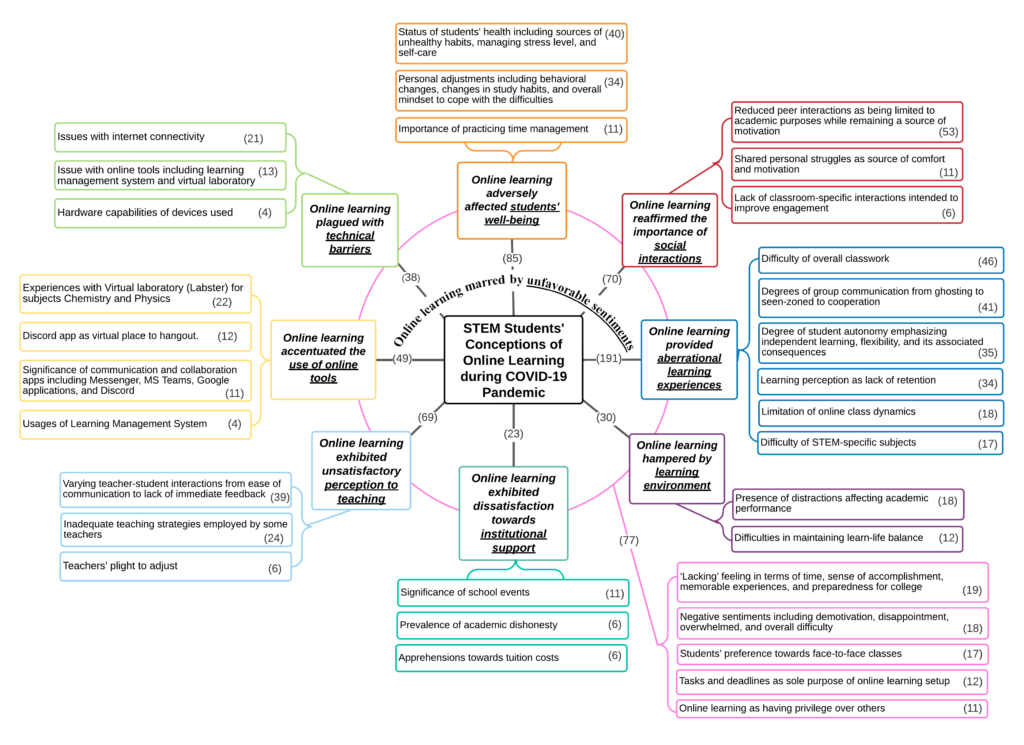
06 Oct 2023
Online learning had adverse effects on the well-being and mental health of STEM students
This research adds to the growing body of literature pertaining to the extent and consequences of fully online
learning to Science,...
05 Oct 2023
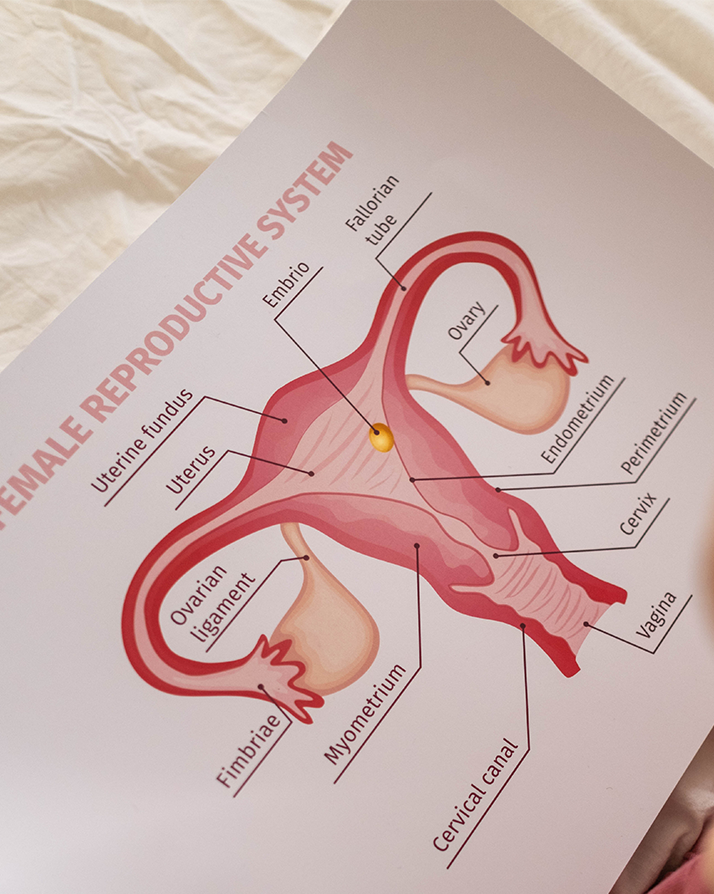
Teachers are still hesitant to talk about sex education due to cultural and religious factors
Comprehensive sexuality education (CSE) enables children and young people to learn about the cognitive, emotional, physical, and social characteristics of...
Read More
02 Oct 2023
Smart-city projects will not “reduce inequality, hold policymakers accountable or address the root causes of Manila’s problems”
The Philippines is said to fall behind when it comes to adopting digital technologies and urged to catch up with...
Read More
14 Sep 2023
The location and number of language areas in the brain differ among multilingual brain tumor patients
The location of the speech area in the brain may be different or located in several sites in patients who...
Read More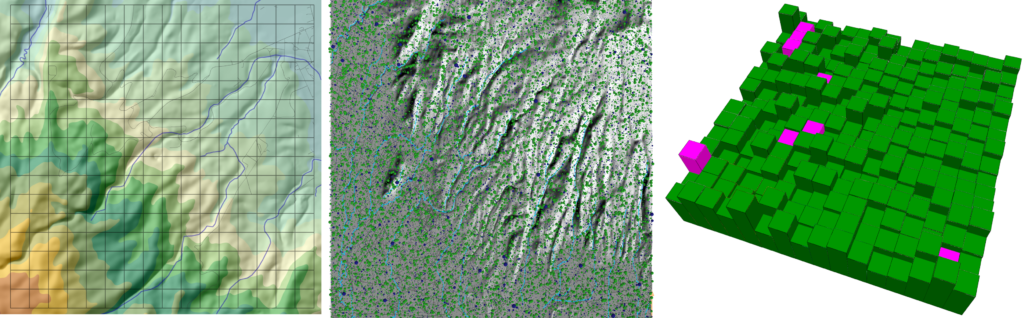
05 Sep 2023
Agent-based model reveals a sustainable method of forest tree harvesting
The Philippines requires 6 million cubic meters of wood annually, based on its 2006–2014 average wood consumption. However, due to...
Read More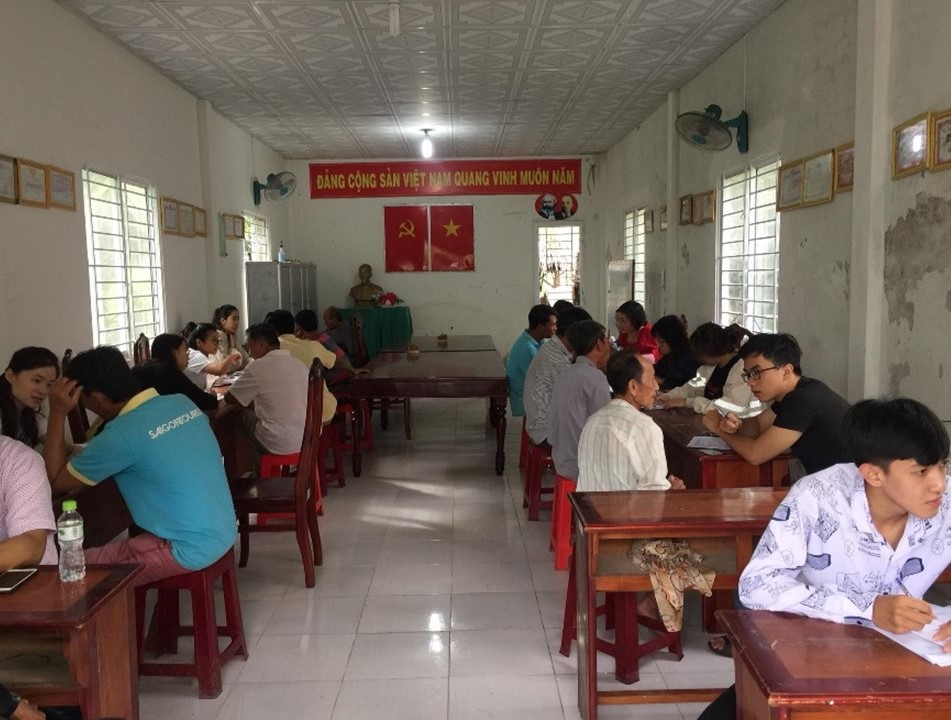
29 Aug 2023
Adjusting the rice cropping calendar can improve the production and income of rice farmers
The study assessed the impact of an adjusted cropping calendar on the welfare of rice farming households in the Mekong...
Read More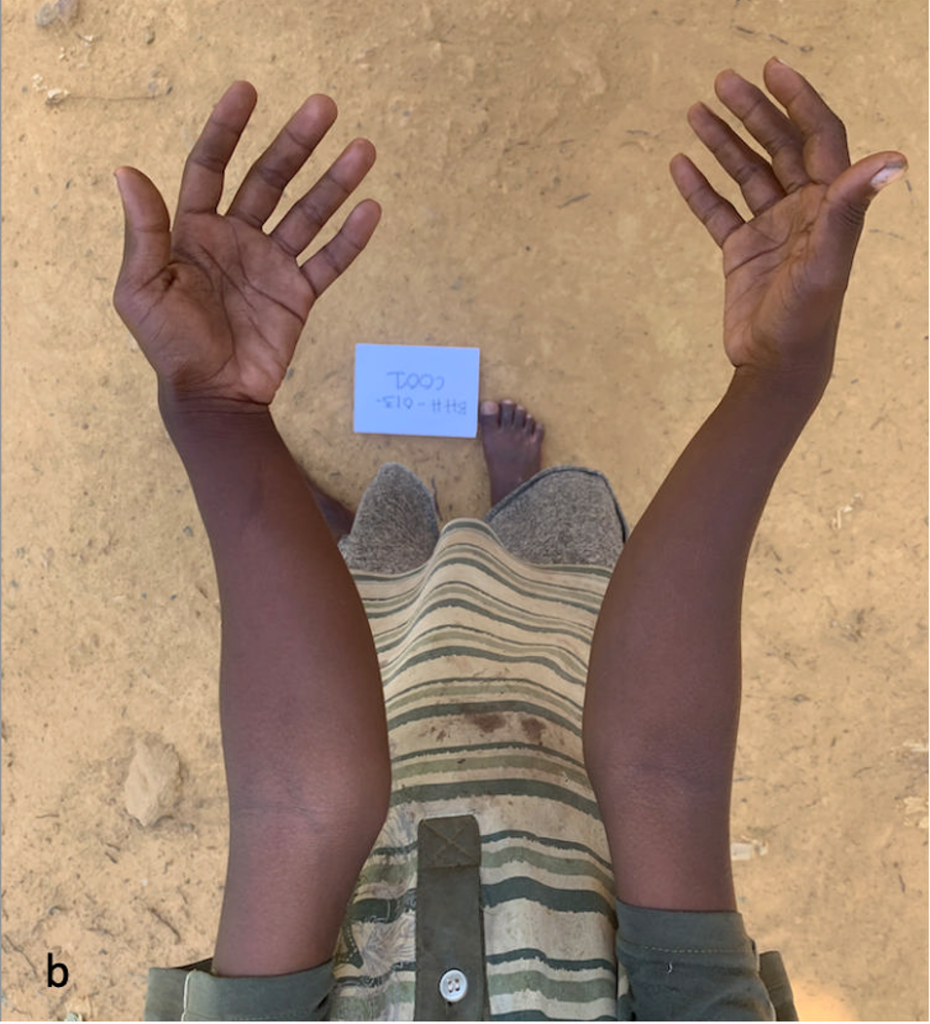
15 Aug 2023
Study reports the first cases of yaws, a chronic and highly contagious skin and bone infection, among the Aetas of Quezon
Yaws is a chronic, highly contagious skin and bone infection caused by a bacteria, Treponema pallidum subspecies pertenue, usually affecting...
Read More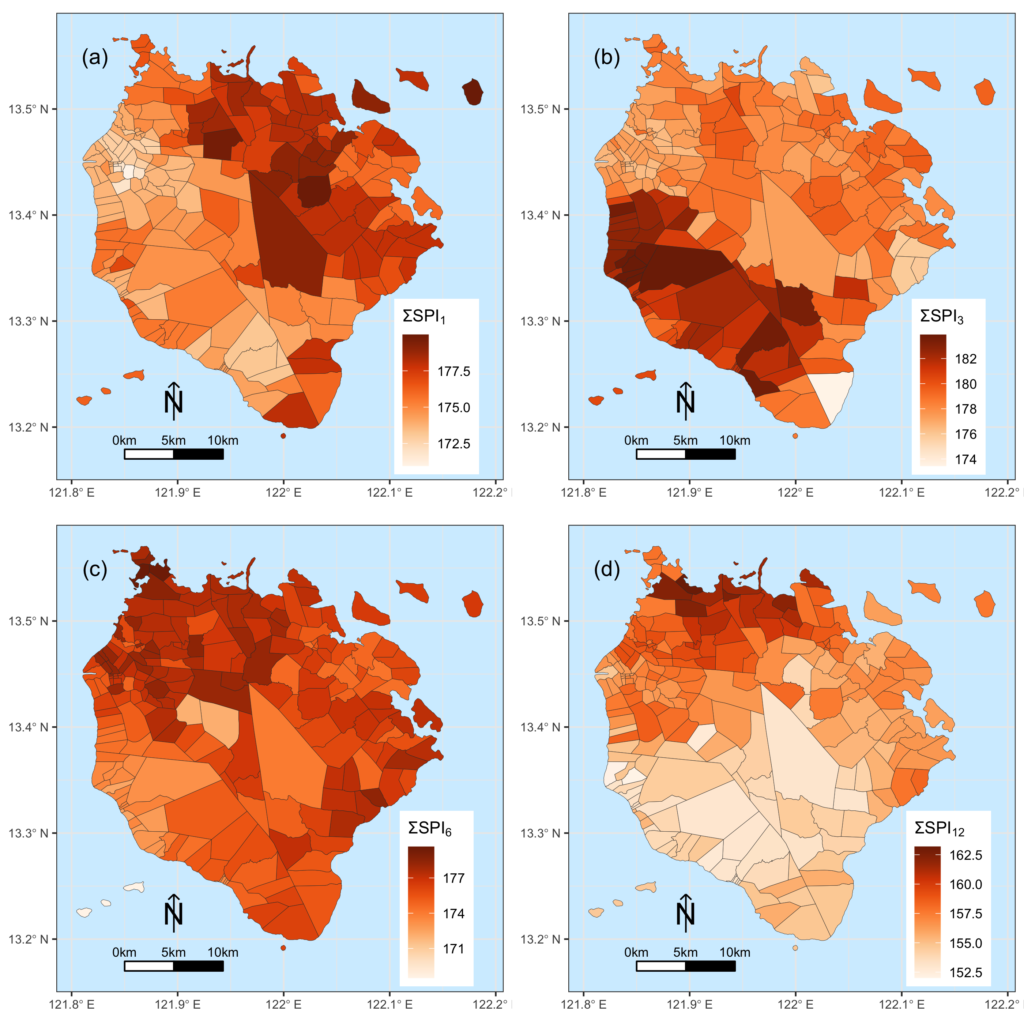
09 Aug 2023
Villages with a large population of women, older persons and agricultural households are most exposed to drought risk
Islands are highly vulnerable to natural disasters and extreme weather events due to their physical size, remoteness, and limited resources....
Read More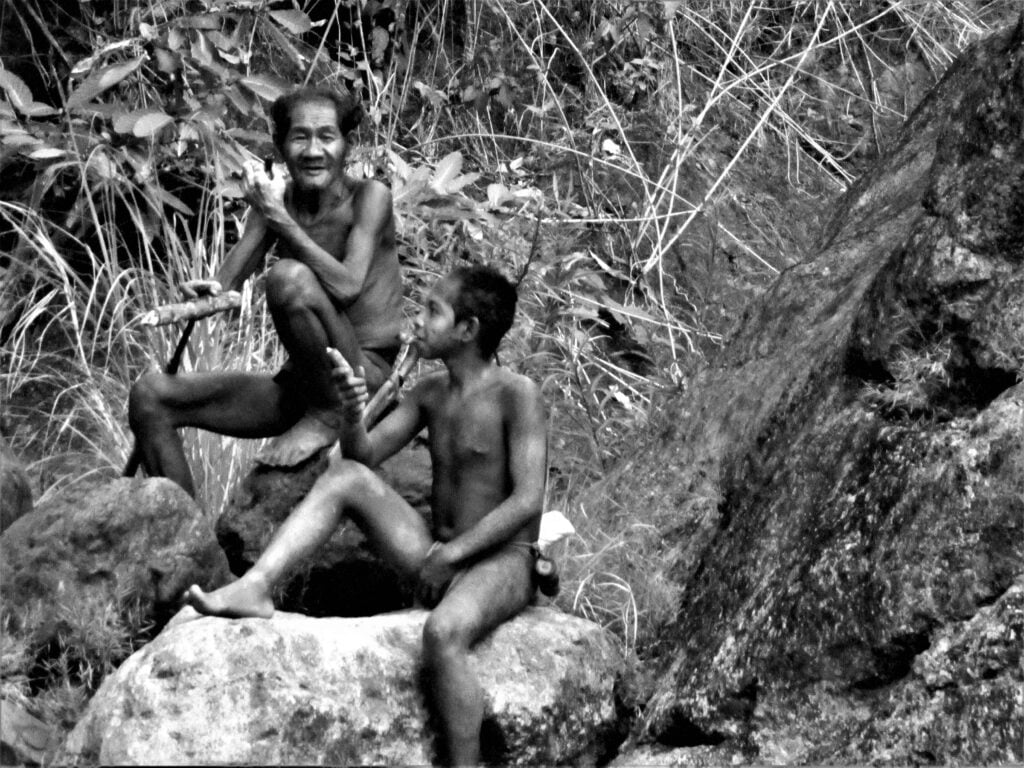
04 Aug 2023
Continuing ignition practices have transformed Tau-Buhid Indigenous lands into “territories of fire”
The article challenges the assumption that land tenure is contingent on acquiring a land title. It argues that for Indigenous...
Read More