
Research
As the national university, we champion and support innovative research that addresses the country’s most pressing challenges.

08 Apr 2026
Nearly 50% of isolates of Salmonella enterica from chicken meat collected from Metro Manila markets are resistant to three or more types of antibiotics
Antimicrobial resistance (AMR) occurs when medicines used to treat infections no longer work effectively, often due to their overuse and...
Read More
07 Apr 2026
Plant-based milk alternatives have lower caloric, fat, and cholesterol content than dairy milk but often contain more sugar and sodium
The global market for plant-based milk alternatives (PBMiAs) is projected to grow steadily, reaching an estimated USD 30 billion by...
Read More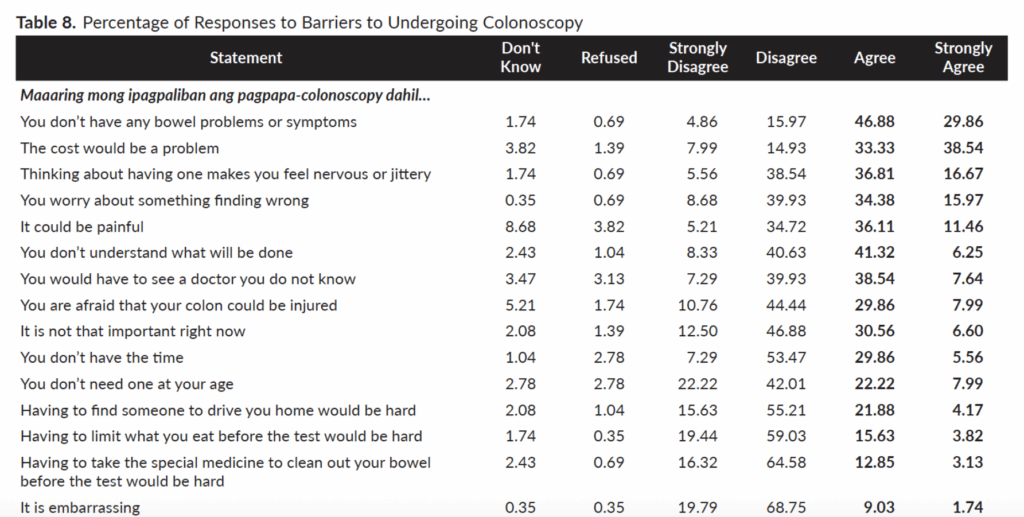
06 Apr 2026
Many Filipinos lack full awareness of colorectal cancer, its risk factors, and screening options
Colorectal cancer (CRC) is one of the most common and deadliest malignancies in the Philippines. However, it can be prevented...
Read More
01 Apr 2026
Gaps in a city’s urban landscape, also known as urban voids, have the potential to drive urban revitalization
Suburbanisation is the expansion and spatial reorganization of a growing metropolitan region. For Davao City, this phenomenon has notably damaged...
Read More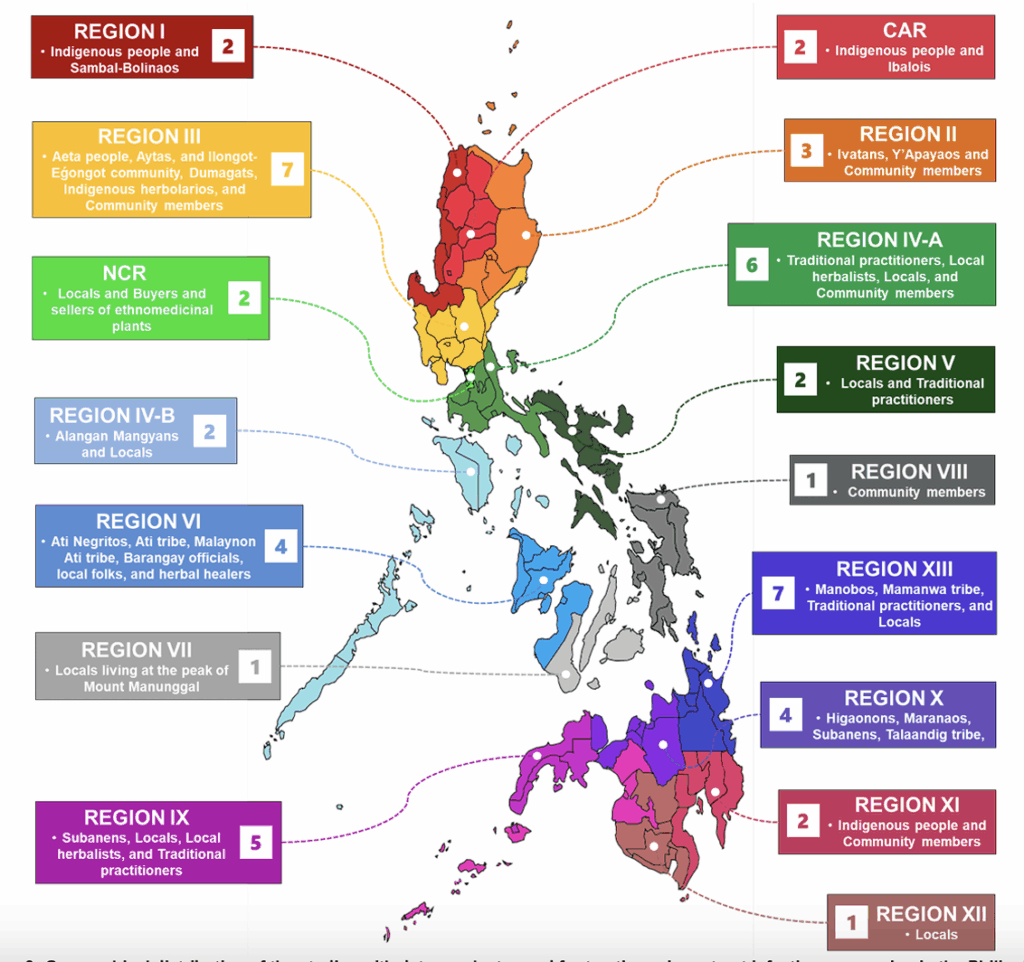
31 Mar 2026
Study examines ethnomedicinal evidence on 97 plants traditionally used to treat urinary tract infections in the Philippines
The Philippines is one of the world’s 18 mega-biodiverse countries, accounting for two-thirds of global biodiversity and 70-80% of plant...
Read More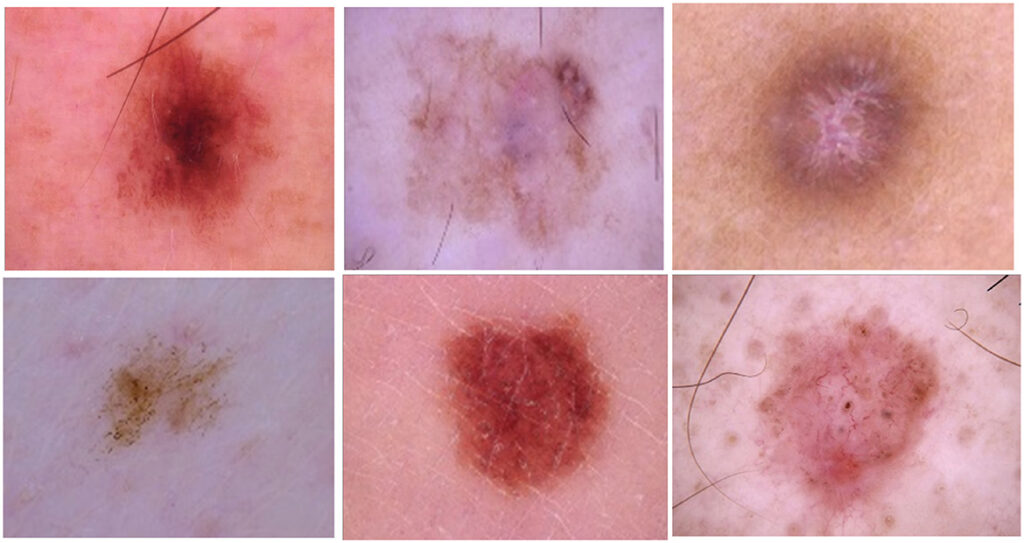
30 Mar 2026
New method enables more reliable skin cancer detection by automatically predicting skin lesion types with greater accuracy
Skin cancer is one of the most common and dangerous cancers globally, but early detection can significantly reduce mortality rates....
Read More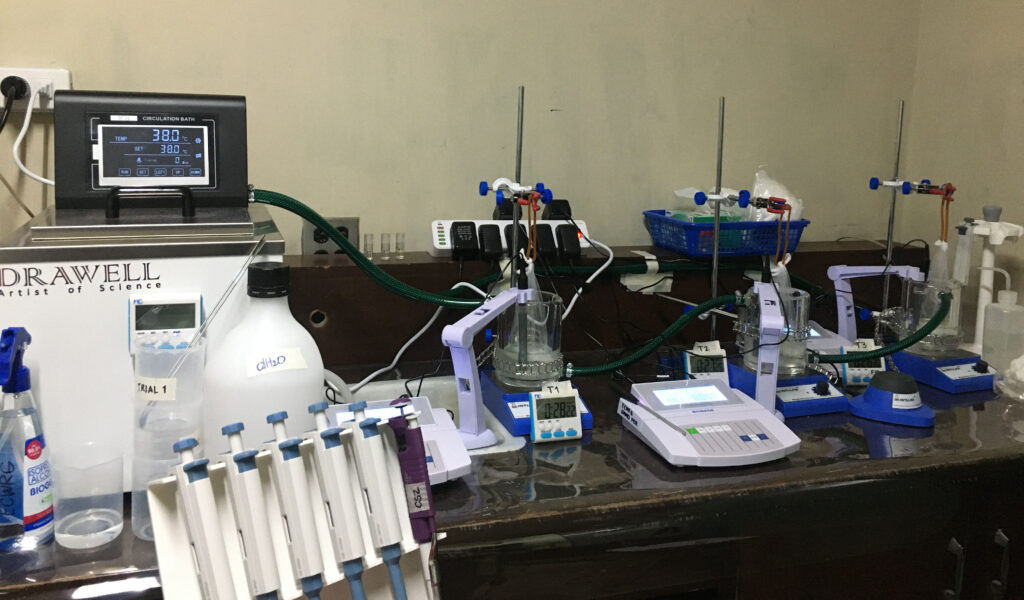
27 Mar 2026
The inclusion of bignay pomace reduces the estimated glycemic index of common local grains during digestion
Bignay [Antidesma bunius (L.) Spreng] is a fruit widespread in the Philippines. It is usually consumed in processed form as...
Read More
26 Mar 2026
Researchers achieve an 86% response accuracy rate for a hand orthosis for stroke rehabilitation, using surface electromyography signals
Loss of control in gripping with the hand is a possible long-term effect of stroke. Recovery from this is possible...
Read More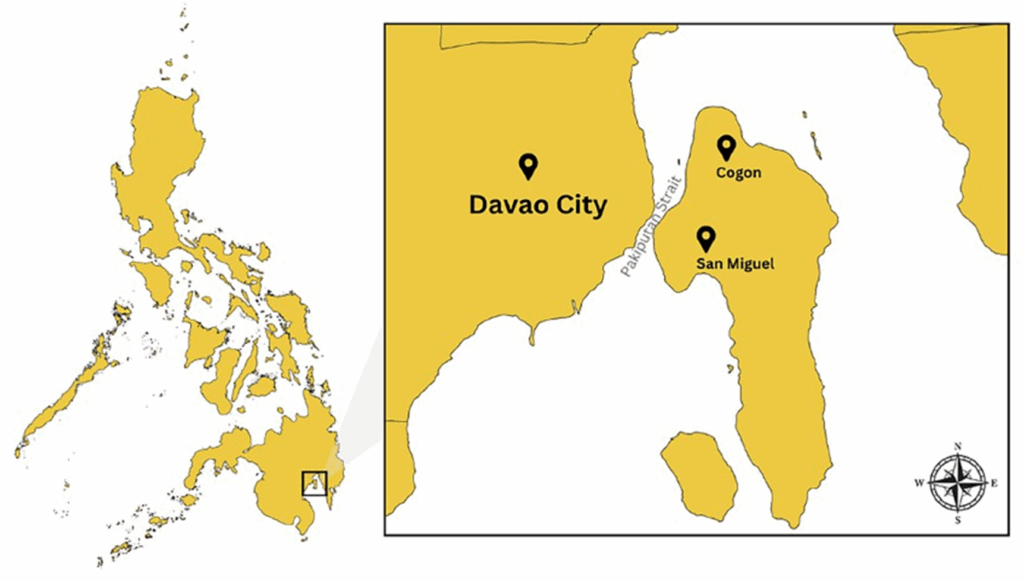
25 Mar 2026
Philippine island communities face unique healthcare challenges shaped by geographical isolation and disparities in technological access and literacy
In regions separated by water and challenging terrain, the healthcare journey involves not only crossing physical distances but also navigating...
Read More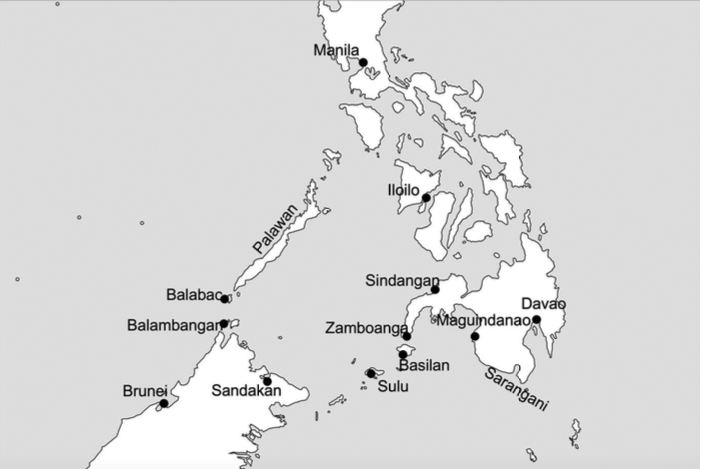
24 Mar 2026
The Spanish and Tausug versions of the landmark Sulu–Spanish Treaty of 1836 reflect different intentions
In the second half of the 1830s, several indigenous overlords in the Sulu–Mindanao–Borneo region began signing treaties, marking a new...
Read More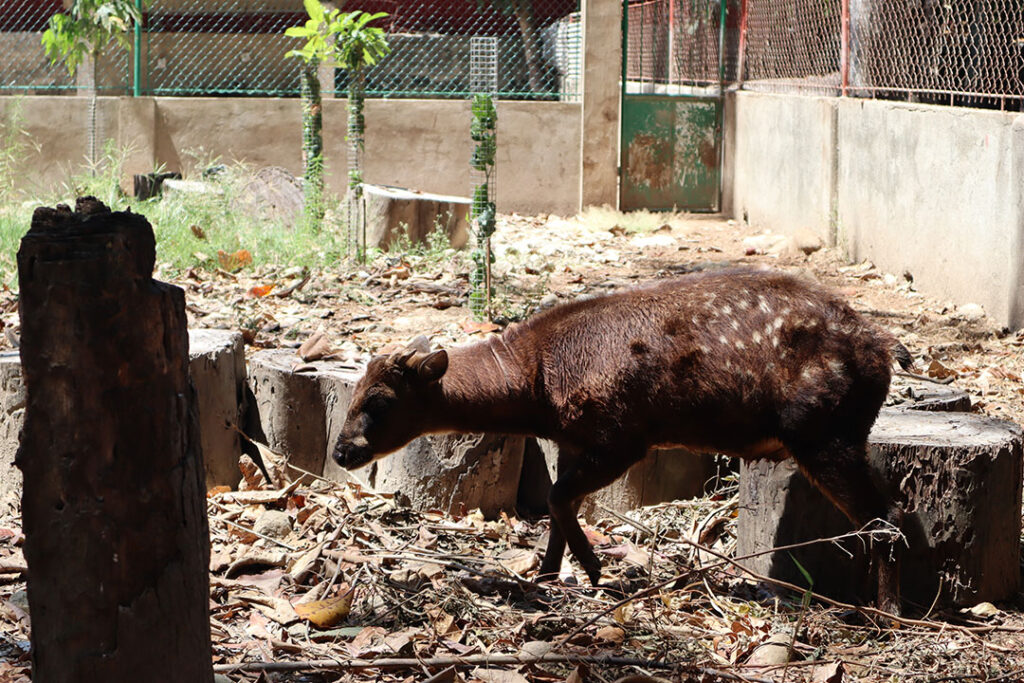
20 Mar 2026
Scientists create the first draft genome of the endangered Visayan spotted deer, a species found only in the Philippines
The genus Rusa, native to South and Southeast Asia, lives in diverse habitats ranging from dense forests to grasslands. Among its...
Read More
19 Mar 2026
A comprehensive study on the health and nutrition of older Filipino adults highlights the need for tailored interventions
Several local studies have been conducted among community-dwelling older Filipinos; however, data gaps in nutrition research exist. In particular, there...
Read More