
Study develops a baseline econometric model to estimate potential hydrogen demand in Tarlac and explore hydrogen as an alternative energy source
10 Mar 2026
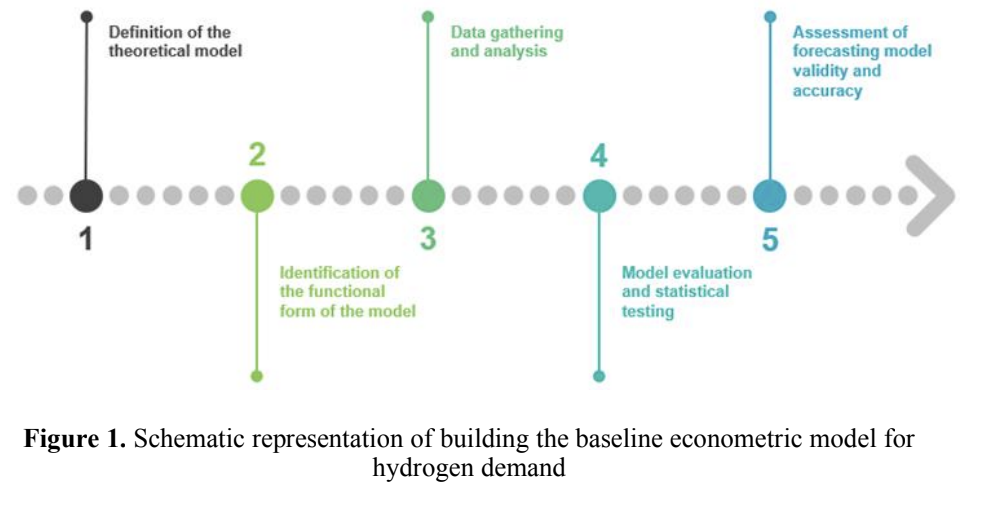
This study aims to establish a baseline econometric model to inform the possible development of green hydrogen production in Tarlac. Scenario analysis will consider hydrogen produced from renewable solar energy as an alternative energy carrier in the fuel mix for electricity generation in Tarlac to achieve sustainable economic growth and improve energy security while minimizing carbon emissions and improving resource efficiency. Tarlac is the chosen area because this is where the New Clark City is being established. New Clark City is a 9,450-hectare disaster-resilient, environment-friendly, and integrated urban development metropolis.
It is important to first build the baseline econometric model before proceeding with scenario generation. An econometric model is a safe tool for forecasting, which makes it possible to take into consideration the trend of indices development in the past and their cause-and-effect interrelations. The parameters used are determined from available historical data through statistical procedures. The energy demand data and continuous predictors were used to build a baseline econometric model for potential hydrogen demand in Tarlac. Model equations were obtained using stepwise regression analysis.
The proposed energy management strategy of storing surplus renewable energy as green hydrogen for the power sector has the potential to significantly benefit various stakeholders, including industries and the government. It aligns with the transition to cleaner and more sustainable energy sources, contributing to national and international environmental targets.
This study can help companies assess the possible future demand for green hydrogen and decide whether to invest in production facilities or switch to green hydrogen. It can also help energy providers understand the role of solar energy in green hydrogen demand and guide decisions on solar farm development and grid integration. Furthermore, it can help the government develop strategies to diversify energy sources, reduce reliance on traditional fuels, and modernize the grid to accommodate green hydrogen production. All in all, the study can promote clean energy adoption and contribute to a more sustainable energy future in Tarlac.
Authors: Cherry Lyn V. Chao (Energy Engineering Program, College of Engineering, University of the Philippines Diliman), Alvin G. Palanca (Energy Engineering Program, College of Engineering, University of the Philippines Diliman), Kristian July R. Yap (Department of Chemical Engineering, College of Engineering, University of the Philippines Diliman) and Rizalinda L. de Leon (Department of Chemical Engineering, College of Engineering, University of the Philippines Diliman)
Read the full paper: https://ejournals.lib.hkbu.edu.hk/index.php/jaes/article/view/2742/2334