
Study examines the latest Small Modular Reactor technologies and which designs may be considered for use in the Philippines
14 Apr 2026
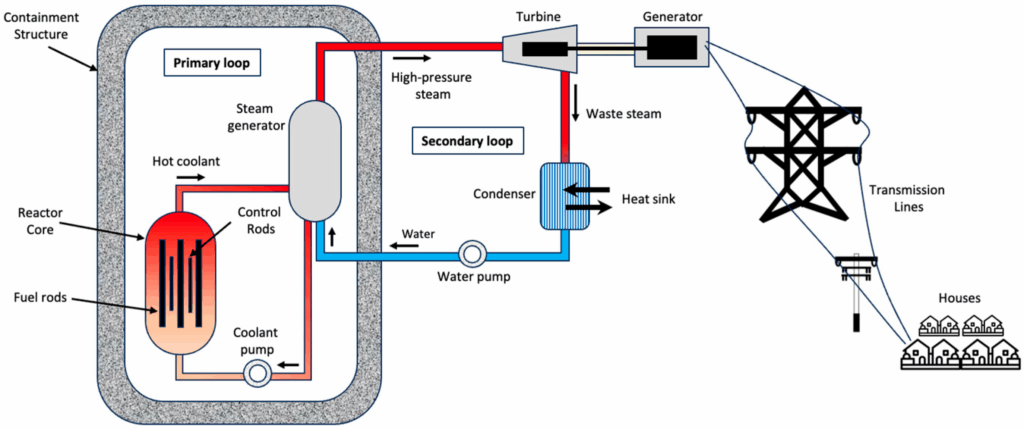
As the Philippines continues to grow, our need for electricity is also increasing. At the same time, our natural gas supply is gradually running out. Because of this, the country is now exploring new and cleaner ways to produce energy. One of the options being considered is nuclear energy—specifically, a newer kind of power plant called a Small Modular Reactor, or SMR. Unlike traditional large nuclear plants, SMRs are smaller, safer, and easier to build, even in remote or hard-to-reach areas.
This research examines the latest SMR technologies being developed around the world and analyzes which designs are already in operation and may be suitable for consideration in the Philippines. It also takes into account local challenges—such as the country’s high risk of earthquakes, limited land for construction, and existing energy infrastructure—when discussing relevant parameters for selecting an SMR. The study further reviews current laws, policies, and government initiatives that could support the viability of an SMR project. By addressing both the technical and policy aspects, this research aims to help government leaders, engineers, and energy experts understand what is needed to safely and successfully introduce SMRs in the country.
In simple terms, this research can serve as a guide for the Philippines and those involved in energy planning to make smart and safe decisions if the country chooses to pursue nuclear energy. It also highlights that nuclear power could be a clean and reliable energy source, especially as the Philippines works towards energy security and climate-friendly solutions.
This research is the first of its kind to combine global SMR developments with local insights and policy considerations, contributing significantly to national energy planning and technology assessment efforts.
Moreover, the paper supports informed decision-making by aligning technical evaluation with the International Atomic Energy Agency Milestone Approach, and it contextualizes the country’s current nuclear infrastructure development status. This work not only advances academic knowledge in the field of nuclear energy but also serves as a timely resource for policymakers, regulators, and industry stakeholders working toward energy security, decarbonization, and sustainable development.
Authors: Unico A. Bautista (Energy Engineering Program, University of the Philippines Diliman | Applied Physics Research Section, Atomic Research Division, Department of Science and Technology, Philippine Nuclear Research Institute) and Rinlee Butch M. Cervera (Energy Engineering Program, University of the Philippines Diliman | Department of Mining, Metallurgical, and Materials Engineering, University of the Philippines Diliman)
Read the full paper: http:// doi.org/10.3390/en18071862