
Ultramafic forests can help mitigate greenhouse gas accumulation by acting as “carbon sinks” that absorb and store atmospheric carbon

14 Jan 2026
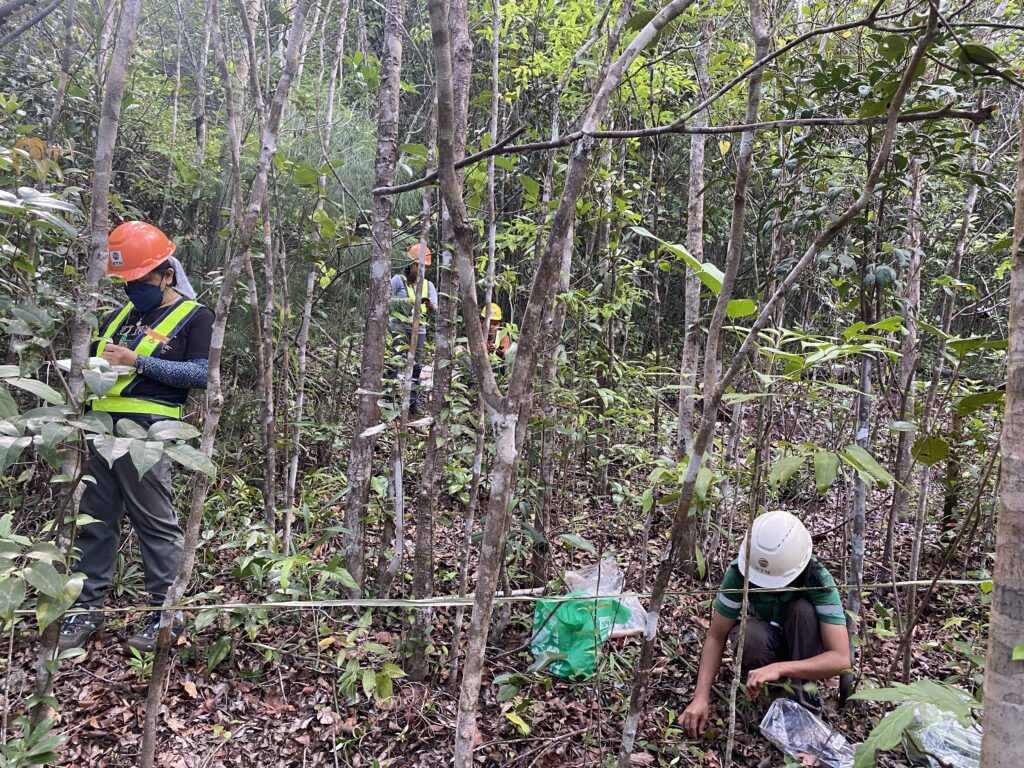
Plants that naturally thrive in ultramafic forests are known as “metallophytes” due to their ability to adapt to soils rich in metals such as chromium, iron, manganese, cobalt, and especially nickel. In the Philippines, ultramafic soils cover approximately 5% of the total land area and are distributed across the major islands of Luzon, Visayas, and Mindanao. They are particularly located in Zambales, Camarines Norte, Bicol, Samar, Palawan and Surigao. The harsh conditions of ultramafic forests, such as low macronutrient availability, limited soil water available, high silica content, and high levels of siderophilic metals especially nickel, are generally hostile to vegetation, resulting in stunted plant growth with low economic value. Despite this, the ecological importance of ultramafic vegetation remains underexplored. Some studies suggest its potential use in environmental clean-up and restoration efforts through phytoremediation technologies.

In our study, the focus of attention is on the potential of ultramafic vegetation for carbon sequestration and storage by assessing the floristic diversity of two ultramafic forest stands on the island of Palawan with different existing land uses. Among the 12 forest formations in the Philippines, ultramafic forests stand out as habitats for unique plant species, including hyperaccumulator plants, often referred to as “metal-eating plants.” These plants play a critical role in phytoremediation by absorbing and detoxifying unwanted metals from contaminated soils, such as those found in abandoned mining sites. Additionally, these plants and other ultramafic natives can act as nurse species, sequestering toxic metals and creating conditions that enable other plants to thrive.

One of the sites we studied is located within an active mining site, while the other site is a former chromite mine site and is now undergoing natural succession. In both sites, we identified the most significant species based on their density and frequency and found that ultramafic forests exhibited low stature, with tree heights reaching a maximum of just over 20 meters, and low diversity, with only a limited number of species present. This is concerning, as it may indicate a high rate of species loss in these ecosystems, emphasizing the need for conservation.

Regarding carbon stock potential, our findings revealed that ultramafic soils possess relatively high levels of organic carbon, indicating their potential as effective carbon “sinks.” This underscores the importance of conserving and protecting existing ultramafic vegetation, despite its stunted growth and limited diversity, as it plays a role in reducing atmospheric carbon accumulation.

While the characteristics of ultramafic ecosystems may vary depending on land use, our study highlights their crucial role in climate change mitigation. Therefore, conservation efforts should prioritize these unique ecosystems to maximize their ecological and environmental benefits.

Authors:

Ma. Ellenita Gibe De Castro (Department of Forest Biological Sciences, College of Forestry and Natural Resources, University of the Philippines Los Baños), Jenielyn Padrones (Institute of Renewable Natural Resources, College of Forestry and Natural Resources, University of the Philippines Los Baños) and Katrina Boco (College of Forestry and Natural Resources, University of the Philippines Los Baños)

Read the full paper: https://jdmlm.ub.ac.id/index.php/jdmlm/article/view/16855

Ultramafic forests can help mitigate greenhouse gas accumulation by acting as “carbon sinks” that absorb and store atmospheric carbon

Plants that naturally thrive in ultramafic forests are known as “metallophytes” due to their ability to adapt to soils rich in metals such as chromium, iron, manganese, cobalt, and especially nickel. In the Philippines, ultramafic soils cover approximately 5% of the total land area and are distributed across the major islands of Luzon, Visayas, and Mindanao. They are particularly located in Zambales, Camarines Norte, Bicol, Samar, Palawan and Surigao. The harsh conditions of ultramafic forests, such as low macronutrient availability, limited soil water available, high silica content, and high levels of siderophilic metals especially nickel, are generally hostile to vegetation, resulting in stunted plant growth with low economic value. Despite this, the ecological importance of ultramafic vegetation remains underexplored. Some studies suggest its potential use in environmental clean-up and restoration efforts through phytoremediation technologies.

In our study, the focus of attention is on the potential of ultramafic vegetation for carbon sequestration and storage by assessing the floristic diversity of two ultramafic forest stands on the island of Palawan with different existing land uses. Among the 12 forest formations in the Philippines, ultramafic forests stand out as habitats for unique plant species, including hyperaccumulator plants, often referred to as “metal-eating plants.” These plants play a critical role in phytoremediation by absorbing and detoxifying unwanted metals from contaminated soils, such as those found in abandoned mining sites. Additionally, these plants and other ultramafic natives can act as nurse species, sequestering toxic metals and creating conditions that enable other plants to thrive.

One of the sites we studied is located within an active mining site, while the other site is a former chromite mine site and is now undergoing natural succession. In both sites, we identified the most significant species based on their density and frequency and found that ultramafic forests exhibited low stature, with tree heights reaching a maximum of just over 20 meters, and low diversity, with only a limited number of species present. This is concerning, as it may indicate a high rate of species loss in these ecosystems, emphasizing the need for conservation.

Regarding carbon stock potential, our findings revealed that ultramafic soils possess relatively high levels of organic carbon, indicating their potential as effective carbon “sinks.” This underscores the importance of conserving and protecting existing ultramafic vegetation, despite its stunted growth and limited diversity, as it plays a role in reducing atmospheric carbon accumulation.

While the characteristics of ultramafic ecosystems may vary depending on land use, our study highlights their crucial role in climate change mitigation. Therefore, conservation efforts should prioritize these unique ecosystems to maximize their ecological and environmental benefits.

Authors:

Ma. Ellenita Gibe De Castro (Department of Forest Biological Sciences, College of Forestry and Natural Resources, University of the Philippines Los Baños), Jenielyn Padrones (Institute of Renewable Natural Resources, College of Forestry and Natural Resources, University of the Philippines Los Baños) and Katrina Boco (College of Forestry and Natural Resources, University of the Philippines Los Baños)

Read the full paper: https://jdmlm.ub.ac.id/index.php/jdmlm/article/view/16855