
Research
As the national university, we champion and support innovative research that addresses the country’s most pressing challenges.
17 Feb 2025
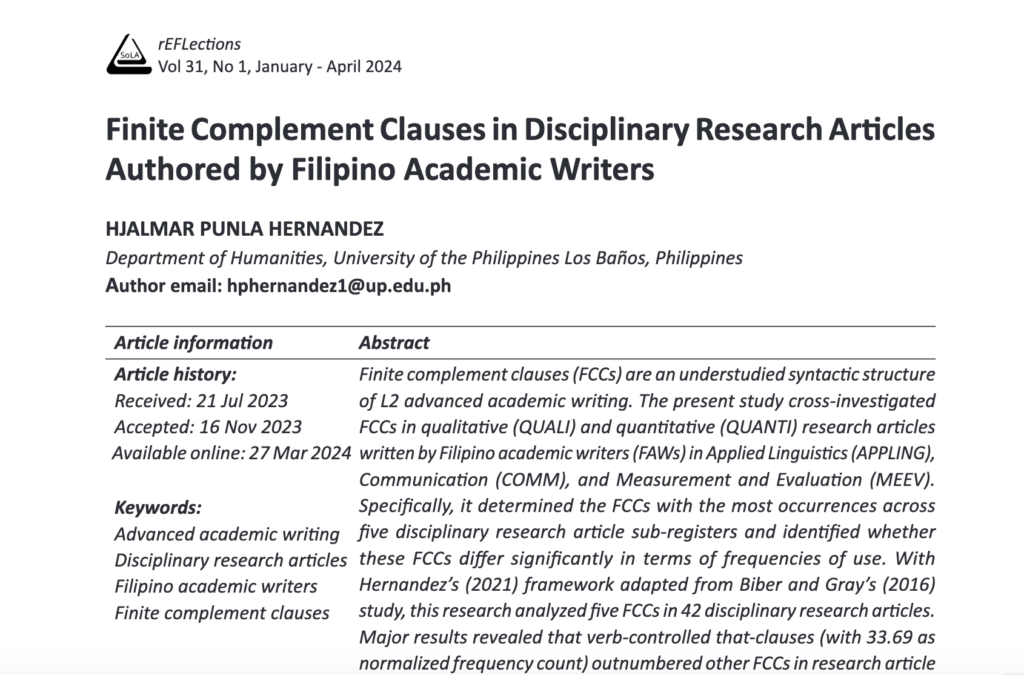
Verb-controlled that-clauses are the most useful finite complement clauses in applied linguistics, communication, and measurement and evaluation research articles
The study cross-investigated finite complement clauses (FCCs) in qualitative (QUALI) and quantitative (QUANTI) research articles (RAs) written by Filipino academic...
Read More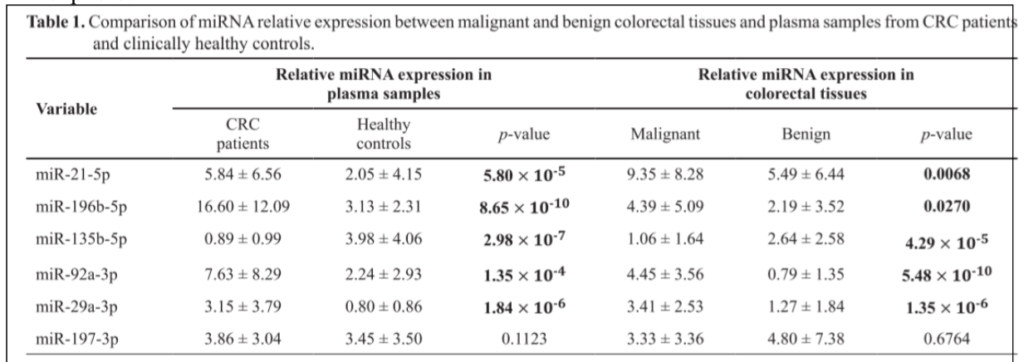
12 Feb 2025
Machine learning can identify cancerous samples with almost 100% accuracy and could thus replace the current, more traumatic screening methods
The success rate of treating colorectal cancer (CRC) can be greatly increased through the early and accurate diagnosis of the...
Read More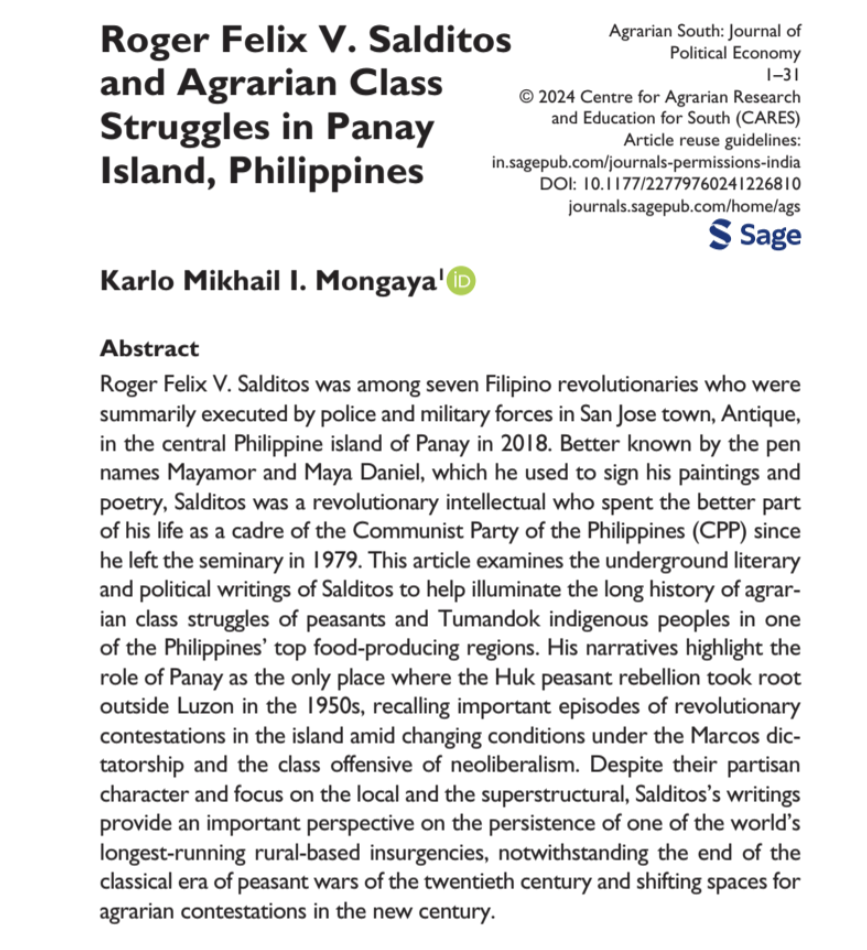
11 Feb 2025
Roger Felix Salditos’s writings offer a key perspective on the persistence of one of the world’s longest-running rural insurgencies
Roger Felix V. Salditos was among seven Filipino revolutionaries who were summarily executed by police and military forces in San...
Read More
11 Feb 2025
Boracay, Gigantes and Guimaras islands are in potentially sustainable status according to locals and visitors
This study considered the interaction or nexus of people and the natural resources in small island tourist destinations in the...
Read More
10 Feb 2025
Can we use acoustic indices to estimate the relative number of bird species in urban areas?
Birds are used as biological indicators of ecosystem health. They are often surveyed through point count method which requires skilled...
Read More
10 Feb 2025
Mindset and emotional resilience, known as psychological capital, can improve the overall educational experience of students and teachers
This paper delves into how the mindset and emotional resilience—referred to as psychological capital or PsyCap—of students and teachers in...
Read More
07 Feb 2025
The use of skin-lightening products is linked to psychological distress among Filipinos
The Philippines is one of Southeast Asia’s top consumers of beauty products. There have been few studies on the psychological...
Read More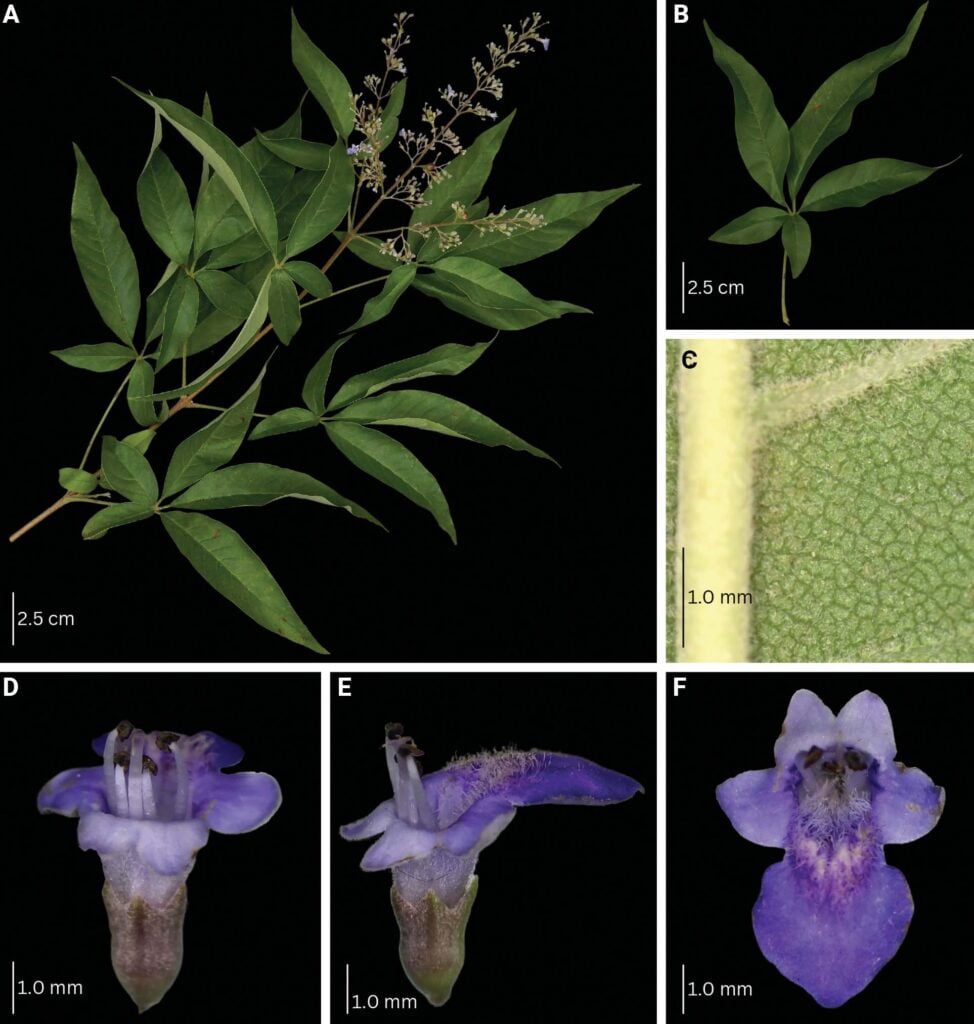
06 Feb 2025
Two species belonging to the group of species commonly known as lagundi were found to be endemic to the Philippines
The Vitex trifolia complex in the Philippines consists of economically important medicinal species, including five species collectively referred to as medicinal “lagundi”. The V. trifolia complex...
Read More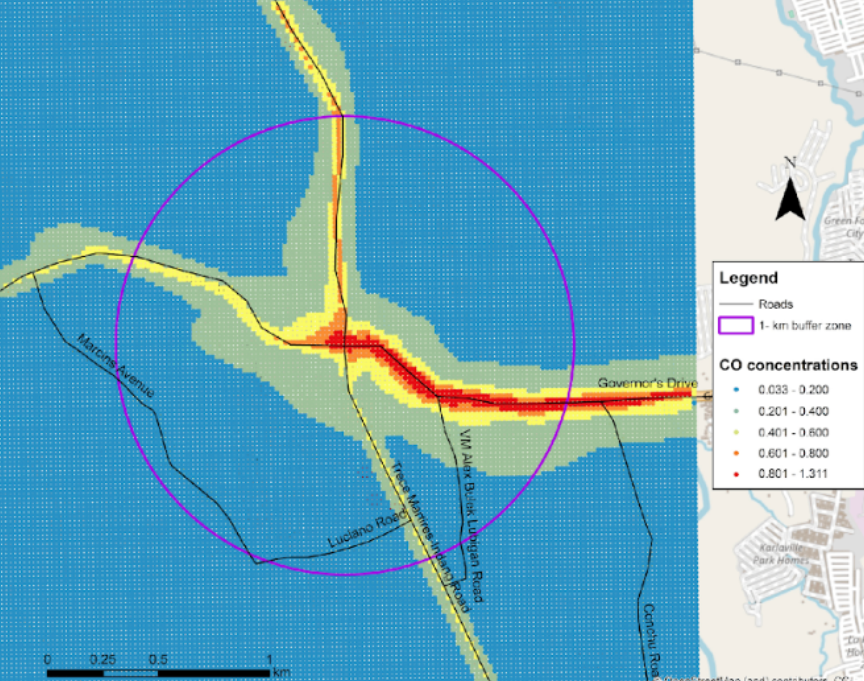
04 Feb 2025
Switching jeepneys to Euro-4 engines can significantly reduce air pollution and improve public health
In the Philippines, new rules require public vehicles, like jeepneys, to use Euro-4 diesel engines, which are cleaner and more...
Read More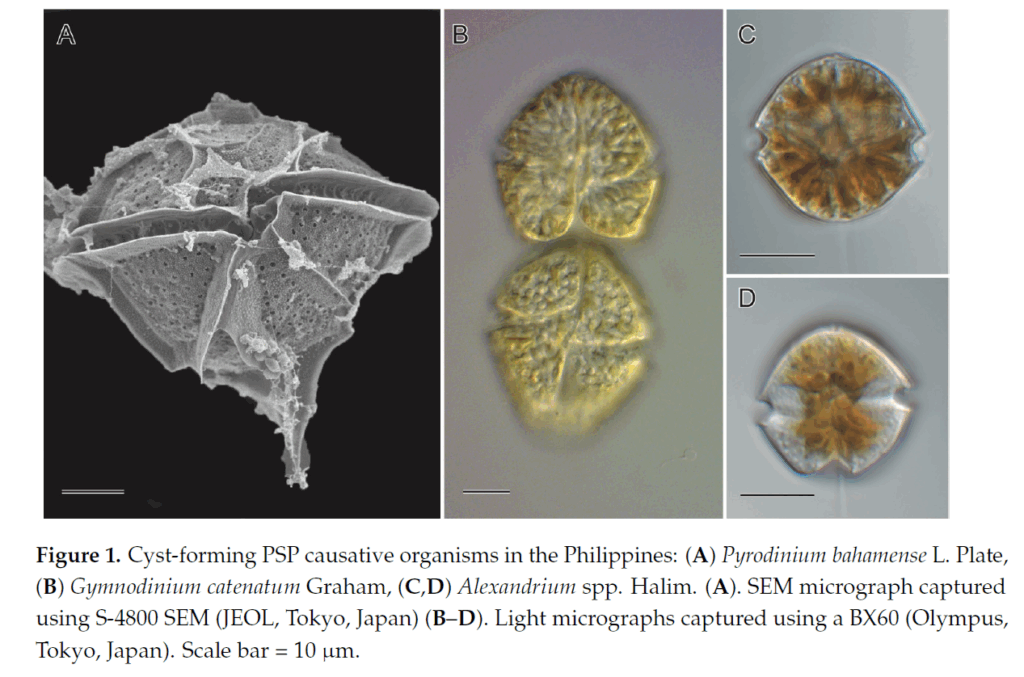
04 Feb 2025
The rising frequency of toxic algal blooms in the Philippines and Malaysia could be linked to climate change
Our study explores the growth of toxic algal blooms in the waters near the Philippines and Malaysia, countries with coastal...
Read More
03 Feb 2025
Ang pagbibiro ni Duterte tungkol sa kaniyang phallus ay walang matibay na kahulugan sa loob at labas ng Pilipinas
Mula sa dalawang pahayag ni Rodrigo Duterte hinggil sa kaniyang aring lalagpas sa pusod (2019) at kaniyang sariling pagpapakahulugan sa...
Read More
30 Jan 2025
Analysis of Philippine High Court decisions on free speech, religious freedom and environmental rights reveals court’s role in transjudicial dialogue
This paper explores the causes of transjudicial conversation phenomenon on human rights norms in the context of the Philippine Supreme...
Read More