
Yeasts collected from Mount Makiling can be viable sources of biofuel

05 Feb 2026
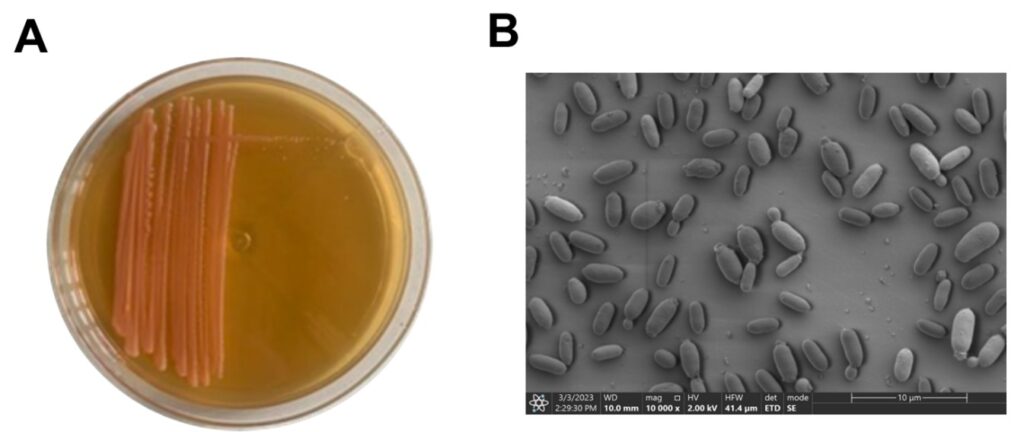
In the quest for sustainable energy sources, scientists are increasingly turning to nature for solutions. A recent study published in the Journal of Applied Biology and Biotechnology highlights an exciting development in biodiesel production using oleaginous yeast isolated from the Mount Makiling Forest Reserve (MMFR) in the Philippines.

What is oleaginous yeast?

Oleaginous yeasts are a unique group of microorganisms known for their ability to accumulate significant
amounts of lipids (fats) within their cells. It makes sense because the term ‘oleaginous’ comes from the Latin term ‘oleum’ which means oil. These lipids can be converted into biodiesel—a renewable and environmentally friendly alternative to fossil fuels. This study aimed to explore the potential of these yeasts as a sustainable feedstock for biodiesel production. The best-performing isolate was identified through molecular analyses.

The findings

Researchers, led by Pajares et al., collected yeast samples from the Mount Makiling area, a rich ecosystem known for its biodiversity. The team meticulously screened and identified several oleaginous yeast strains capable of producing high lipid content from a total of 258 colonies of ferns, moss, roots, orchids, bark and leaves of several forest trees. The set of trees included species of Narra, Balilang Uak, Balete , Bagtikan, Malaruhat Pula, and Salisi. Key findings of the study include:

  1. High Lipid Accumulation: Some isolated strains demonstrated impressive lipid accumulation rates,
    making them promising candidates for biodiesel production.
  2. Optimal Growth Conditions: The researchers identified the best growth conditions for these yeasts,
    which included specific temperatures, pH levels, and nutrient availability. This optimization is
    crucial for large-scale biodiesel production.
  3. Biodiesel Yield: The study reported successful conversion of the extracted lipids into biodiesel,
    confirming that these yeasts can be viable sources of biofuel.

The research not only underscores the potential of using native microbial resources for renewable energy but also highlights the importance of conserving biodiversity. Mount Makiling’s unique ecosystem serves as a treasure trove of biological resources that could play a significant role in sustainable development.

By leveraging local resources, we can reduce reliance on imported fossil fuels, lower greenhouse gas emissions, and promote energy independence. Likewise, using microbial resources as a source of biodiesel, as compared to soybean and palm oil, may not cause vast farming, fertilizer use, land conversion, and pesticide use to produce enough amount of biodiesel. Furthermore, this study adds to the growing body of knowledge about biofuels, encouraging further research and investment in sustainable energy technologies.

As the world grapples with the impacts of climate change and the urgent need for renewable energy
solutions, studies like this one are vital. They pave the way for innovative approaches to energy production that not only meet our needs but also protect our planet’s precious ecosystems.

In conclusion, the work by Pajares and colleagues represents a promising step toward a more sustainable future, showcasing the potential of oleaginous yeast from Mount Makiling as a significant contributor to biodiesel production and making it a better alternative to petroleum-based diesel. As we continue to explore and harness the power of nature, we move closer to a greener, more sustainable world.

Authors:

Irene G. Pajares (National Institute of Molecular Biology and Biotechnology, University of the Philippines Los Baños), Princess J. Requiso (College of Medicine, University of the Philippines Manila), Lorenzo M. Fabro Jr. (National Institute of Molecular Biology and Biotechnology, University of the Philippines Los Baños), Kristine Rose M. Ramos (National Institute of Molecular Biology and Biotechnology, University of the Philippines Los Baños) and Asuncion K. Raymundo (Institute of Biological Sciences, College of Arts and Sciences, University of the Philippines Los Baños )

Read the full paper: https://jabonline.in/abstract.php?article_id=1098&sts=2

Yeasts collected from Mount Makiling can be viable sources of biofuel

In the quest for sustainable energy sources, scientists are increasingly turning to nature for solutions. A recent study published in the Journal of Applied Biology and Biotechnology highlights an exciting development in biodiesel production using oleaginous yeast isolated from the Mount Makiling Forest Reserve (MMFR) in the Philippines.

What is oleaginous yeast?

Oleaginous yeasts are a unique group of microorganisms known for their ability to accumulate significant
amounts of lipids (fats) within their cells. It makes sense because the term ‘oleaginous’ comes from the Latin term ‘oleum’ which means oil. These lipids can be converted into biodiesel—a renewable and environmentally friendly alternative to fossil fuels. This study aimed to explore the potential of these yeasts as a sustainable feedstock for biodiesel production. The best-performing isolate was identified through molecular analyses.

The findings

Researchers, led by Pajares et al., collected yeast samples from the Mount Makiling area, a rich ecosystem known for its biodiversity. The team meticulously screened and identified several oleaginous yeast strains capable of producing high lipid content from a total of 258 colonies of ferns, moss, roots, orchids, bark and leaves of several forest trees. The set of trees included species of Narra, Balilang Uak, Balete , Bagtikan, Malaruhat Pula, and Salisi. Key findings of the study include:

  1. High Lipid Accumulation: Some isolated strains demonstrated impressive lipid accumulation rates,
    making them promising candidates for biodiesel production.
  2. Optimal Growth Conditions: The researchers identified the best growth conditions for these yeasts,
    which included specific temperatures, pH levels, and nutrient availability. This optimization is
    crucial for large-scale biodiesel production.
  3. Biodiesel Yield: The study reported successful conversion of the extracted lipids into biodiesel,
    confirming that these yeasts can be viable sources of biofuel.

The research not only underscores the potential of using native microbial resources for renewable energy but also highlights the importance of conserving biodiversity. Mount Makiling’s unique ecosystem serves as a treasure trove of biological resources that could play a significant role in sustainable development.

By leveraging local resources, we can reduce reliance on imported fossil fuels, lower greenhouse gas emissions, and promote energy independence. Likewise, using microbial resources as a source of biodiesel, as compared to soybean and palm oil, may not cause vast farming, fertilizer use, land conversion, and pesticide use to produce enough amount of biodiesel. Furthermore, this study adds to the growing body of knowledge about biofuels, encouraging further research and investment in sustainable energy technologies.

As the world grapples with the impacts of climate change and the urgent need for renewable energy
solutions, studies like this one are vital. They pave the way for innovative approaches to energy production that not only meet our needs but also protect our planet’s precious ecosystems.

In conclusion, the work by Pajares and colleagues represents a promising step toward a more sustainable future, showcasing the potential of oleaginous yeast from Mount Makiling as a significant contributor to biodiesel production and making it a better alternative to petroleum-based diesel. As we continue to explore and harness the power of nature, we move closer to a greener, more sustainable world.

Authors:

Irene G. Pajares (National Institute of Molecular Biology and Biotechnology, University of the Philippines Los Baños), Princess J. Requiso (College of Medicine, University of the Philippines Manila), Lorenzo M. Fabro Jr. (National Institute of Molecular Biology and Biotechnology, University of the Philippines Los Baños), Kristine Rose M. Ramos (National Institute of Molecular Biology and Biotechnology, University of the Philippines Los Baños) and Asuncion K. Raymundo (Institute of Biological Sciences, College of Arts and Sciences, University of the Philippines Los Baños )

Read the full paper: https://jabonline.in/abstract.php?article_id=1098&sts=2