
Research

As the national university, we champion and support innovative research that addresses the country’s most pressing challenges.
05 Sep 2023

UP Los Baños

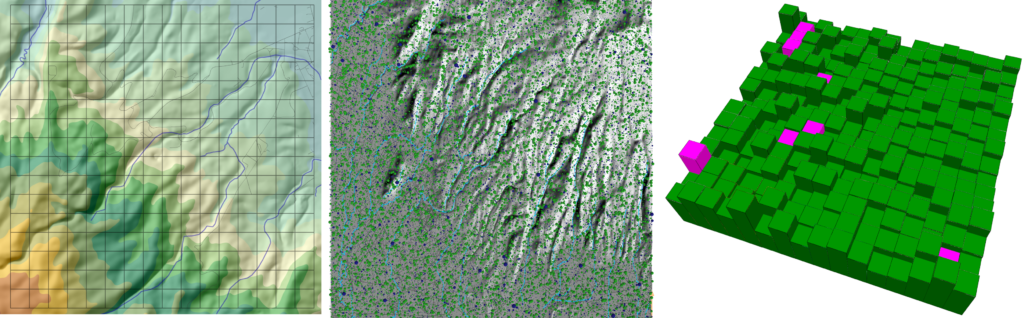
Agent-based model reveals a sustainable method of forest tree harvesting

The Philippines requires 6 million cubic meters of wood annually, based on its 2006–2014 average wood consumption. However, due to...

Read More
29 Aug 2023

UP Diliman

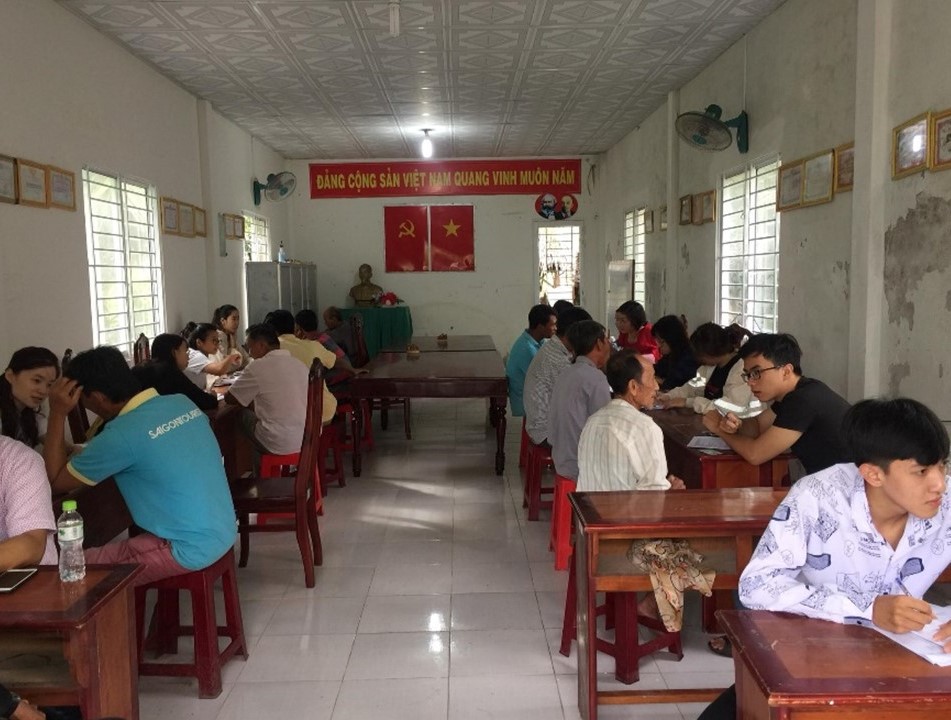
Adjusting the rice cropping calendar can improve the production and income of rice farmers

The study assessed the impact of an adjusted cropping calendar on the welfare of rice farming households in the  Mekong...

Read More
15 Aug 2023

UP System

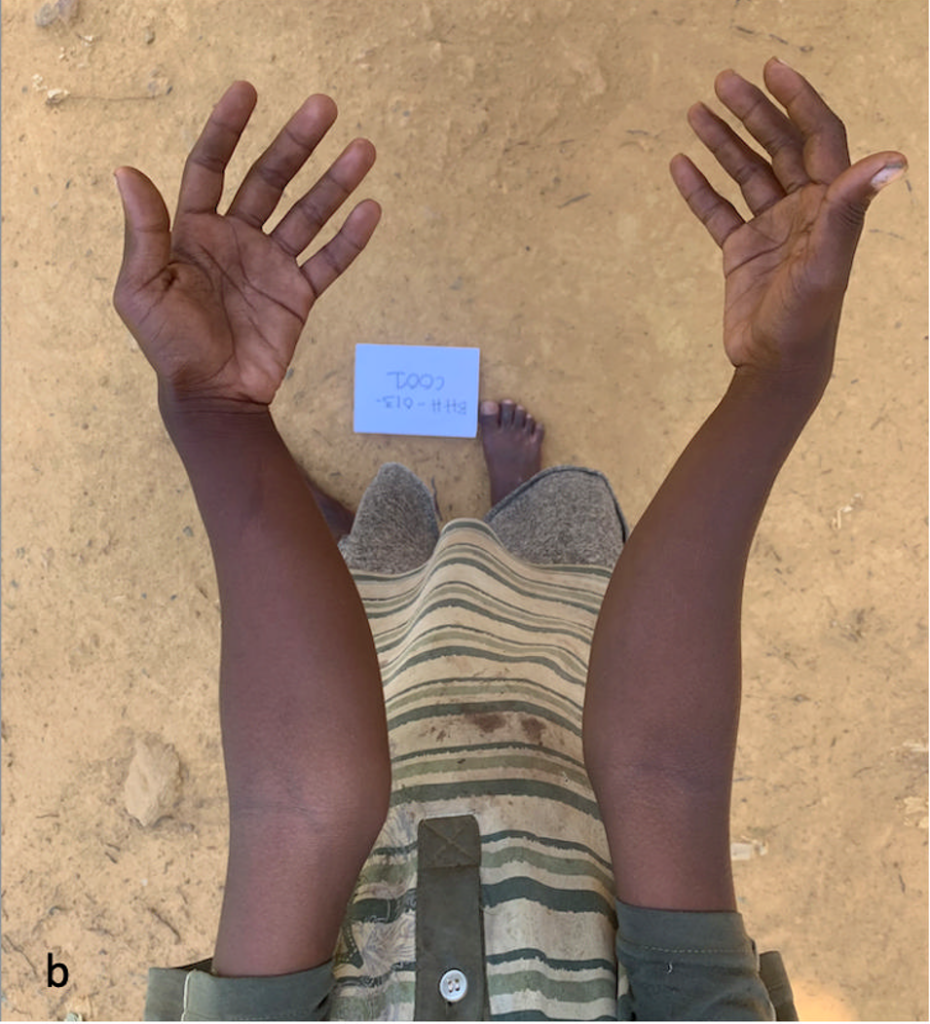
Study reports the first cases of yaws, a chronic and highly contagious skin and bone infection, among the Aetas of Quezon

Yaws is a chronic, highly contagious skin and bone infection caused by a bacteria, Treponema pallidum subspecies pertenue, usually affecting...

Read More
09 Aug 2023

UP Los Baños

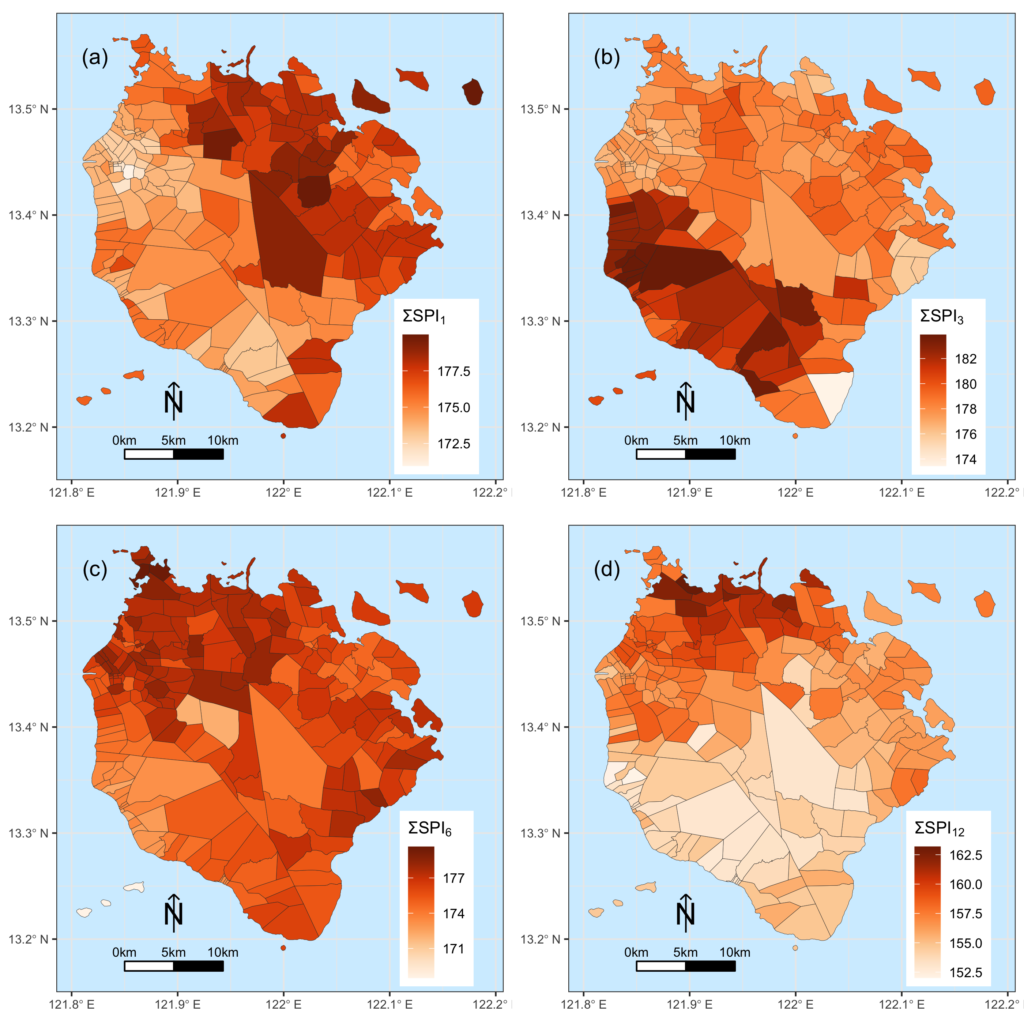
Villages with a large population of women, older persons and agricultural households are most exposed to drought risk

Islands are highly vulnerable to natural disasters and extreme weather events due to their physical size, remoteness, and limited resources....

Read More
04 Aug 2023

UP System

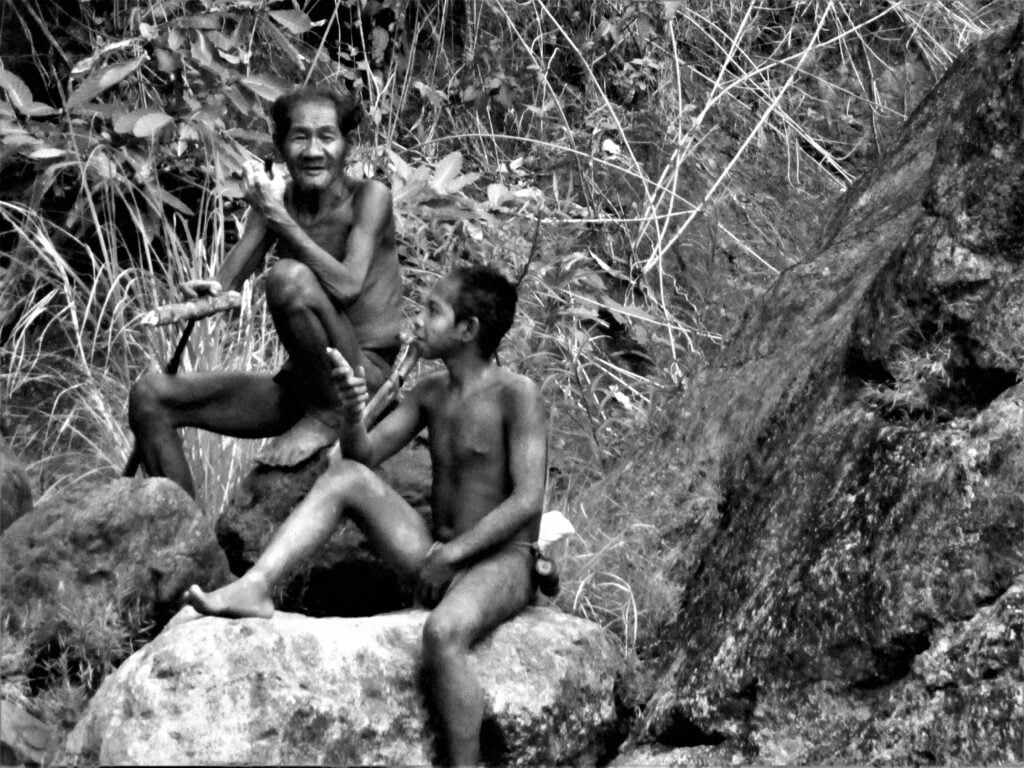
Continuing ignition practices have transformed Tau-Buhid Indigenous lands into “territories of fire”

The article challenges the assumption that land tenure is contingent on acquiring a land title. It argues that for Indigenous...

Read More
02 Aug 2023

UP Los Baños

Occupational therapists can be tapped to design age-friendly cities and communities

Urban planning for age-friendly environments is an important issue, and occupational therapists and occupational scientists could contribute to planning such...

Read More
31 Jul 2023

UP Manila

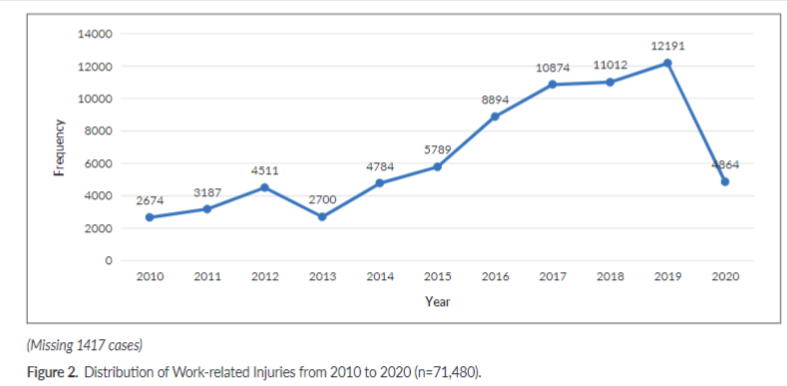
Injuries suffered by workers on the job such as from falls and contact with sharp objects had been fatal

Although Occupational Health and Safety has been introduced as early as 1971, the protection of workers remained insufficient globally as...

Read More
27 Jul 2023

UP Cebu

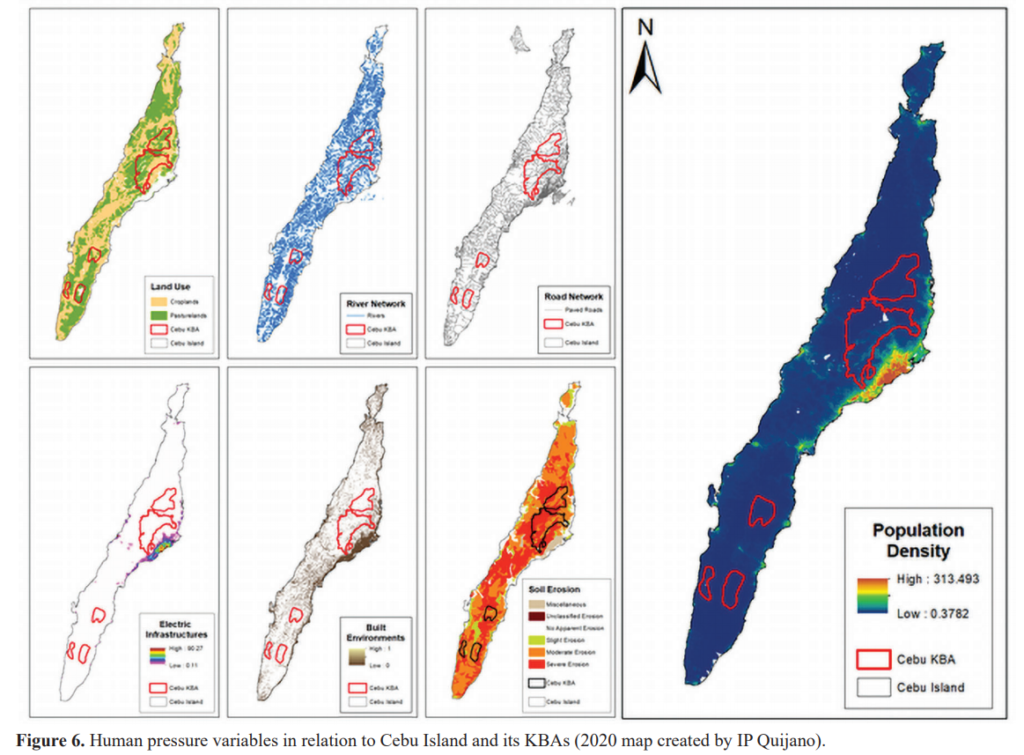
Human population growth threatens the largest and only protected key biodiversity area in Cebu Island

The continuing pressure on the natural environment exerted by human activities such as land conversion has been threatening to drive...

Read More
25 Jul 2023

UP Diliman

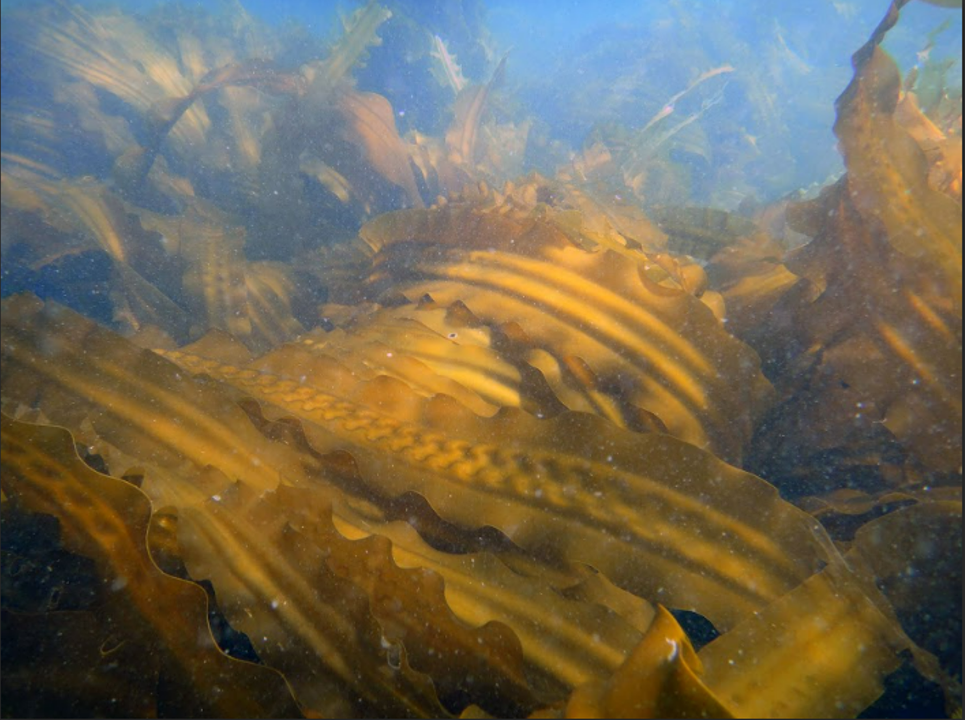
The seaweed Saccharina japonica, an important aquaculture crop, shows increased photosynthetic activity under blue light

Saccharina japonica kelps grow naturally in the subtidal zone up to more than 20 m, where blue light (400–500 nm) is...

Read More
21 Jul 2023

UP Los Baños

Teachers are influenced by their own beliefs in how they promote scientific argumentation in class

This qualitative multiple-case study discusses the importance of investigating the alignment of four biology teachers’ beliefs and practices when teaching...

Read More

20 Jul 2023

UP Mindanao

Future solid waste management system in Davao City should prioritize plastic waste treatment

To reduce adverse environmental impact, municipal solid waste management (MSWM) practices in developed countries are adopted in developing countries without...

Read More
19 Jul 2023

UP Los Baños

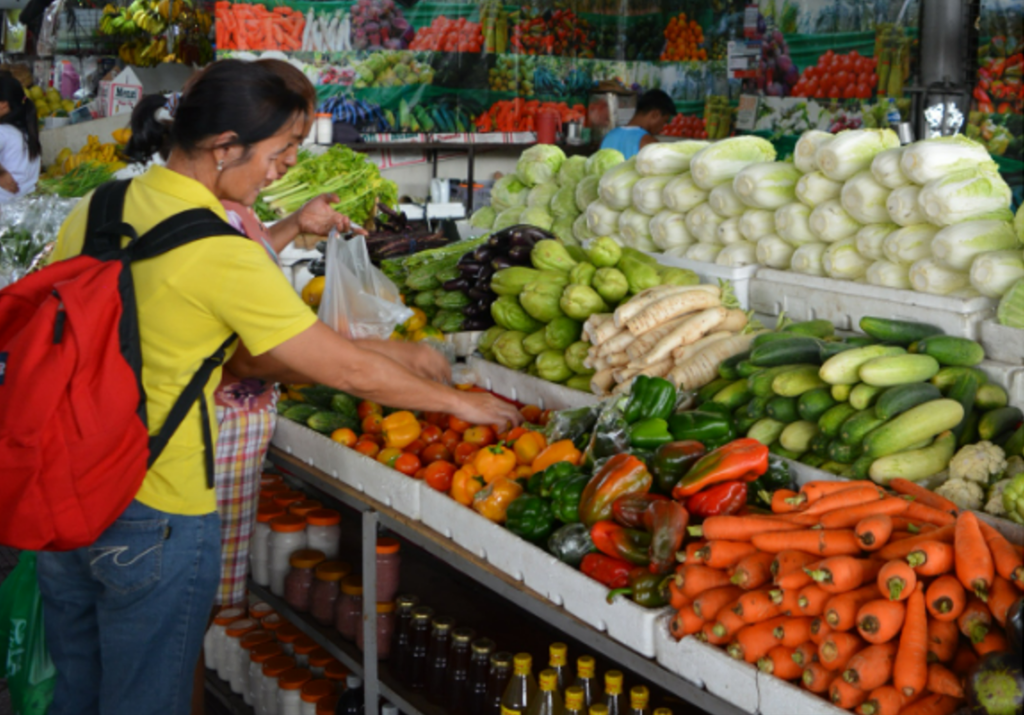
Pesticide residues were found in commonly consumed vegetables and those labeled “organic”

Pesticide residues on vegetables pose food safety concerns. In this study, an assay called the Rapid Bioassay for Pesticide Residues...

Read More

Research

In the Philippines, there have been rising incidences of harassment directed at Filipinos who identify as lesbian, gay, bisexual, trans, queer, and intersex (LGBTQI+). These experiences of harassment and violence are reflections of prejudice and discrimination based on an individual’s sexual orientation, gender identity, and gender expression (SOGIE) that have been ingrained and cultivated in social systems, such as the family, education, health, and the law. Because the Philippines does not have a national anti-discrimination legislation that explicitly protects against SOGIE-based discrimination, the burden to address SOGIE-based harassment is left upon the LGBTQI+ community and their allies. This study sought to understand and explore the reasons why Filipinos would or would not intervene in incidences of SOGIE-based harassment. Analyzing five interviews with Filipino university students who had previously witnessed SOGIE-based harassment surfaced two important findings about bystander intervention. First, bystanders consider the contexts and implications of intervening in SOGIE-based harassment, such as the nature of the harassment, the threats to bystander safety, and the victim’s obvious need for help. Second, although bystanders expressed hesitations in intervening because they were considered outsiders in the victim perpetrator interaction, acknowledging the bystander’s shared identity (kapwa) with targets of harassment facilitated intervening. That is, because SOGIE-based harassment is considered inhumane by bystanders, intervening, then, is an act of acknowledging and protecting the humanity of targets of harassment.

Significance

This study describes the behavioral responses of Filipinos to harassment based on an individual’s sexual orientation, gender identity, and gender expression (SOGIE) and explores salient interpersonal and socio- cultural contexts that inform when, how, and why Filipino bystanders intervene in incidences of SOGIE-based harassment. The findings of the study emphasize the importance of kapwa—or shared sense of identity with others—in bystander intervention as Filipinos are more likely to intervene when they associate with targets of SOGIE-based harassment (i.e., acknowledging them as friends or as fellow human beings).

Taking these socio-cultural norms and values into account, the study draws attention to the importance of institutional mechanisms that not only empower bystander intervention but prevent incidences of SOGIE- based harassment in the first place. In universities, these may look like integrating social justice-oriented courses in the curriculum, establishing gender-sensitive programs, and enforcing anti-discrimination policies across the university. Across social institutions, similar initiatives may be implemented, ensuring that these programs center kapwa—or underscoring the inhumanity of SOGIE-based harassment and further emphasizing the humanity of the victims of SOGIE-based harassment.

Author: Luis Emmanuel A. Abesamis (Department of Behavioral Sciences, University of the Philippines Manila)

Read the full paper: https://doi.org/10.1080/19419899.2023.2241863