
Research
As the national university, we champion and support innovative research that addresses the country’s most pressing challenges.
11 Feb 2025
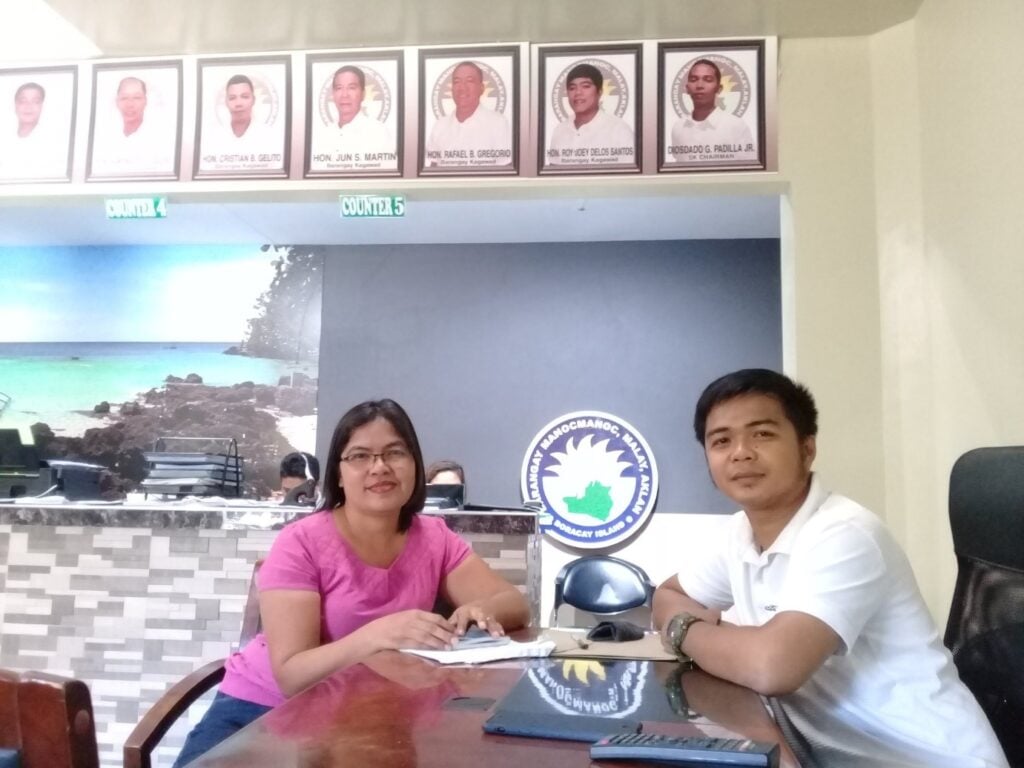
Boracay, Gigantes and Guimaras islands are in potentially sustainable status according to locals and visitors
This study considered the interaction or nexus of people and the natural resources in small island tourist destinations in the...
Read More
10 Feb 2025
Can we use acoustic indices to estimate the relative number of bird species in urban areas?
Birds are used as biological indicators of ecosystem health. They are often surveyed through point count method which requires skilled...
Read More
10 Feb 2025
Mindset and emotional resilience, known as psychological capital, can improve the overall educational experience of students and teachers
This paper delves into how the mindset and emotional resilience—referred to as psychological capital or PsyCap—of students and teachers in...
Read More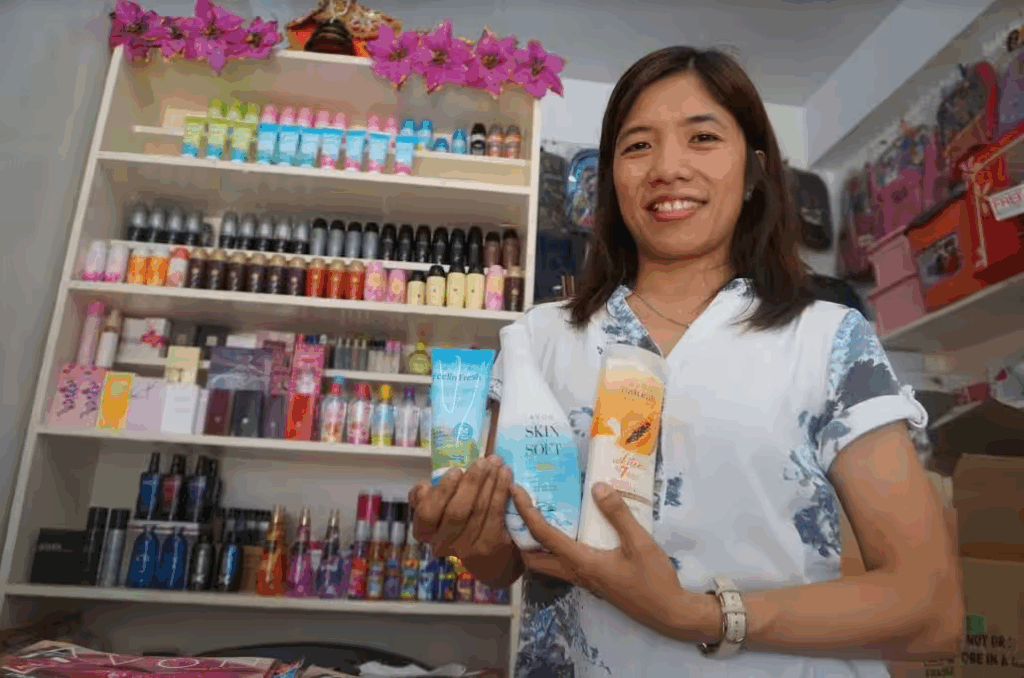
07 Feb 2025
The use of skin-lightening products is linked to psychological distress among Filipinos
The Philippines is one of Southeast Asia’s top consumers of beauty products. There have been few studies on the psychological...
Read More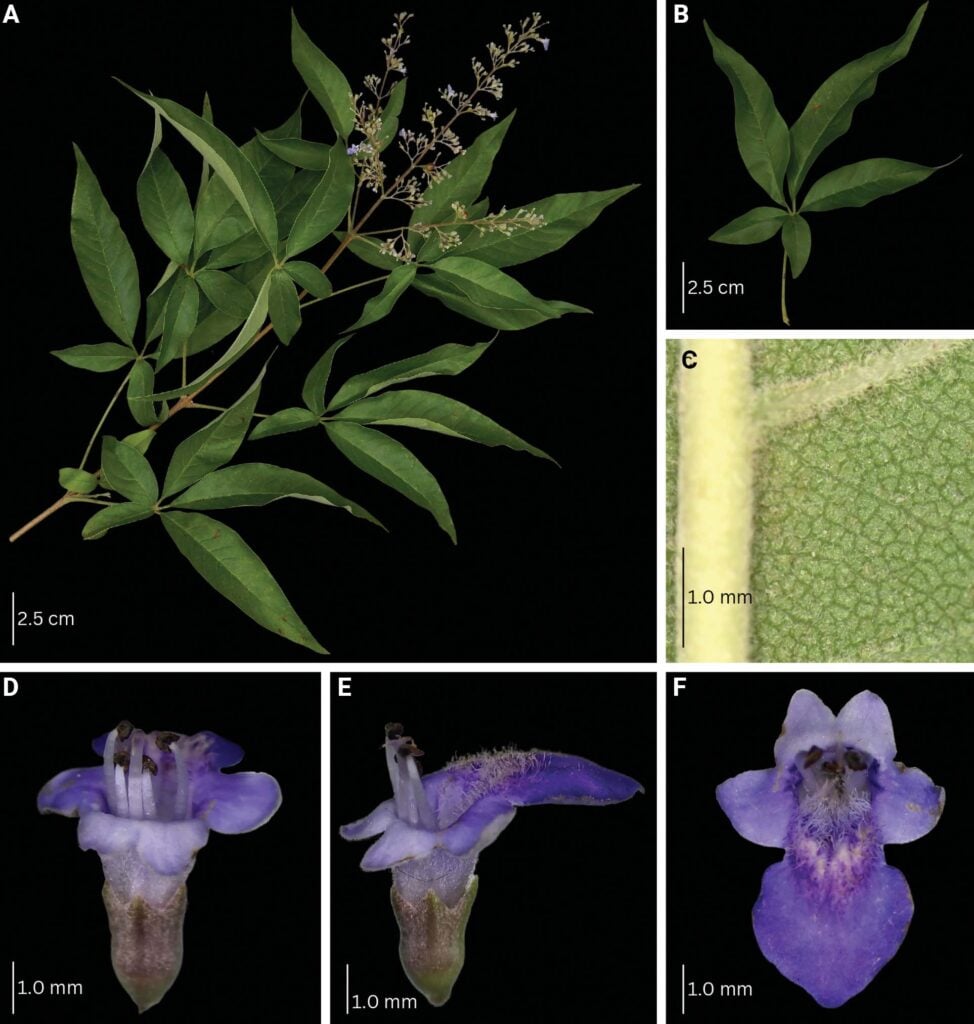
06 Feb 2025
Two species belonging to the group of species commonly known as lagundi were found to be endemic to the Philippines
The Vitex trifolia complex in the Philippines consists of economically important medicinal species, including five species collectively referred to as medicinal “lagundi”. The V. trifolia complex...
Read More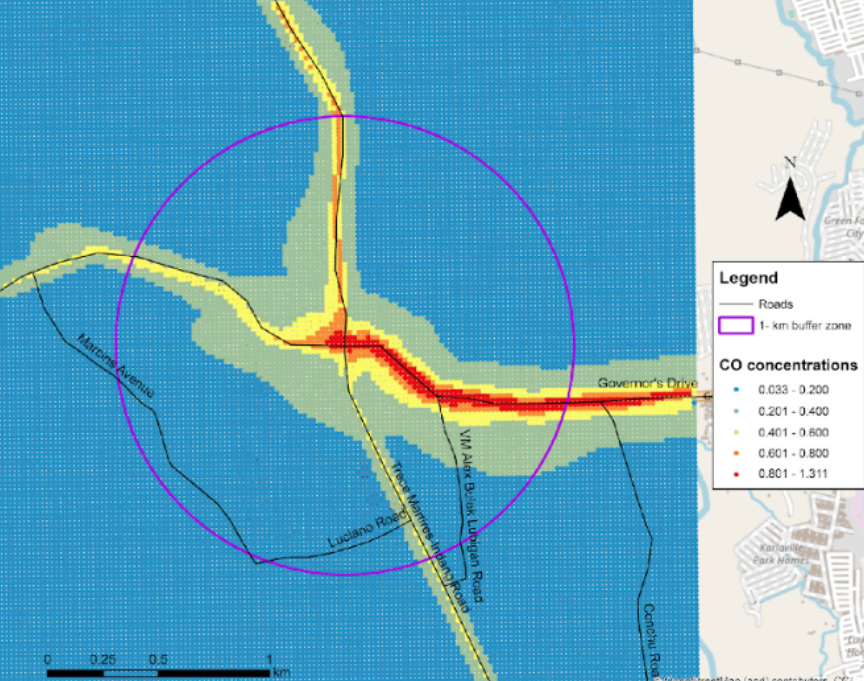
04 Feb 2025
Switching jeepneys to Euro-4 engines can significantly reduce air pollution and improve public health
In the Philippines, new rules require public vehicles, like jeepneys, to use Euro-4 diesel engines, which are cleaner and more...
Read More
04 Feb 2025
The rising frequency of toxic algal blooms in the Philippines and Malaysia could be linked to climate change
Our study explores the growth of toxic algal blooms in the waters near the Philippines and Malaysia, countries with coastal...
Read More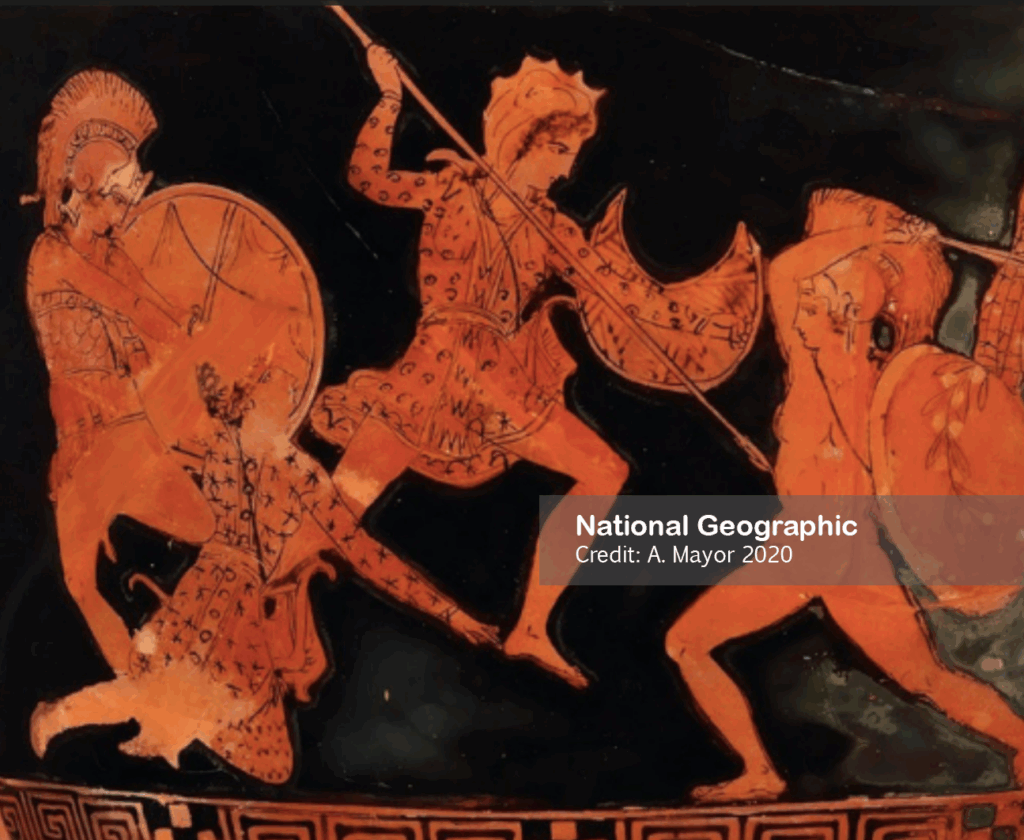
03 Feb 2025
Ang pagbibiro ni Duterte tungkol sa kaniyang phallus ay walang matibay na kahulugan sa loob at labas ng Pilipinas
Mula sa dalawang pahayag ni Rodrigo Duterte hinggil sa kaniyang aring lalagpas sa pusod (2019) at kaniyang sariling pagpapakahulugan sa...
Read More
30 Jan 2025
Analysis of Philippine High Court decisions on free speech, religious freedom and environmental rights reveals court’s role in transjudicial dialogue
This paper explores the causes of transjudicial conversation phenomenon on human rights norms in the context of the Philippine Supreme...
Read More
23 Jan 2025
The “Churning of the Sea of Milk” focuses on a traumatic history, climate damage and efforts to preserve cultural heritage
“The Churning of the Sea of Milk” is a story of a young Filipino scholar who is backpacking in Siem...
Read More
22 Jan 2025
Women experienced higher levels of psychological distress than men during the Covid-19 pandemic
The SARS-CoV-2 pandemic has had a deleterious impact on human health since its beginning in 2019. The purpose of this...
Read More
21 Jan 2025
Adolescents tend to focus on photos and facial features when judging strangers’ trustworthiness on social media
In our social interactions, we make quick and fairly accurate impressions of other people. Of great importance is identifying who...
Read More