
Research
As the national university, we champion and support innovative research that addresses the country’s most pressing challenges.
05 Aug 2026
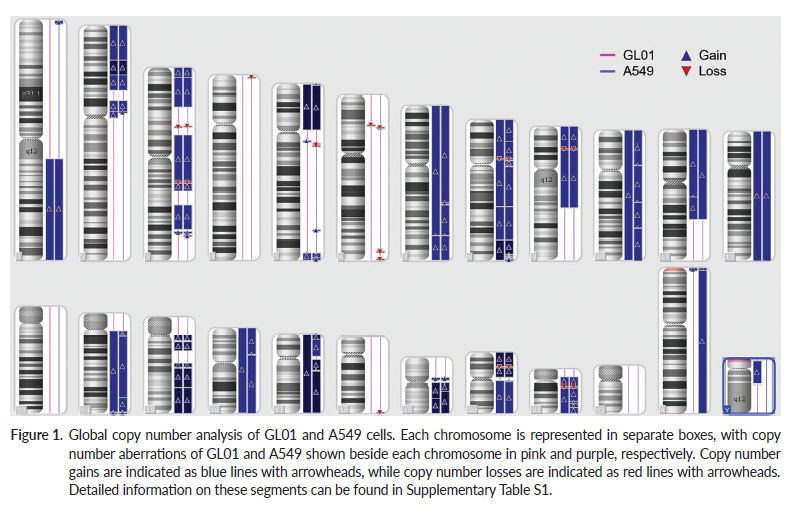
Study compares the genetic profile of GL01, a novel Filipino non-small cell lung cancer cell line, with the commonly used A549 cell line
Lung cancer remains one of the most prevalent and fatal malignancies globally, accounting for over 1.7 million deaths in 2020....
Read More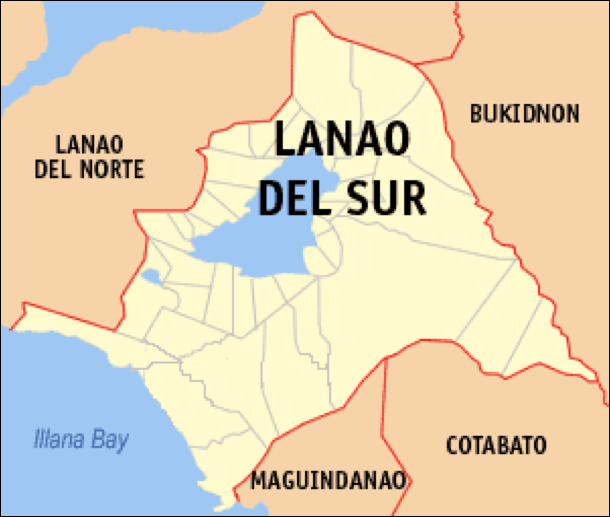
04 Aug 2026
A 10-megawatt solar power plant in three sites in Lanao del Sur can significantly reduce electricity costs while improving energy security and access in the province
In Lanao del Sur, many families continue to face limited access to affordable and reliable electricity. The local cooperative, LASURECO,...
Read More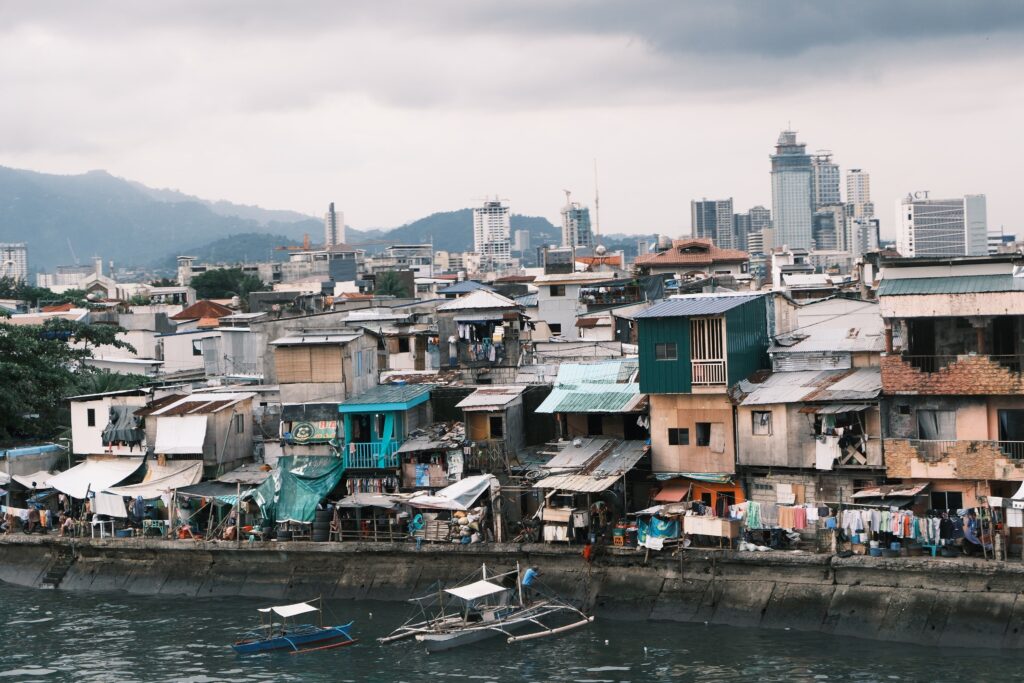
03 Aug 2026
Increasing cash transfers to 4Ps beneficiaries can help lift the poor out of destitution
As a conditional cash transfer initiative, the Philippines’ Pantawid Pamilyang Pilipino Program (4Ps) aims to break future poverty. By incentivizing...
Read More
31 Jul 2026
Despite government funding, R&D in the Philippines is hampered by budget constraints, bureaucratic delays, complex procurement, and talent shortages
Research and development (R&D) is important because it turns new ideas into better products, services, and processes that can make...
Read More
30 Jul 2026
Students are more likely to cheat under intense pressure or when they rationalize the behavior
Technology has become a big part of education, making learning more convenient and flexible. However, it has also made cheating...
Read More
29 Jul 2026
Tagalog-learning infants discriminate “na” and “nga” at 10–12 months but not at 4–6 months
Although infants are traditionally understood to possess universal discrimination abilities, this framework relies predominantly on studies of Indo-European languages. To...
Read More
28 Jul 2026
Themes of betrayal and loyalty anchored the affective polarization seen in the 2025 Philippine midterm elections
Before the 2022 Philippine presidential election, Ferdinand Marcos Jr. and Sara Duterte formed a strategic alliance, combining two of the...
Read More
27 Jul 2026
Nearly 31% of Philippine cropland converted to built-up areas was located within legally protected zones
Rapid urbanization in the Philippines has intensified pressure on agricultural lands, heightening concerns regarding national food security and environmental sustainability....
Read More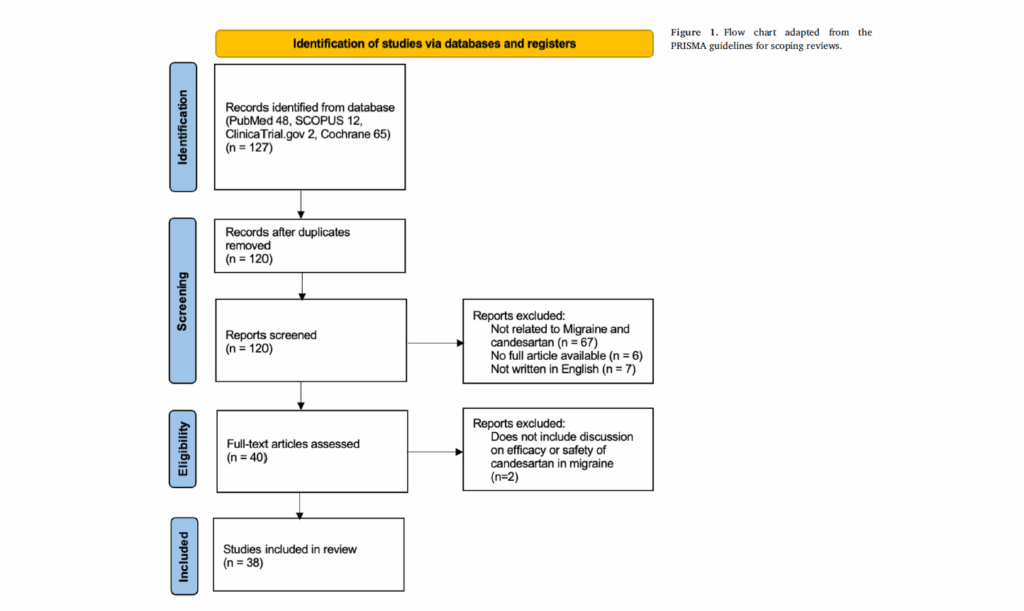
24 Jul 2026
Candesartan emerges as a safe and effective option for migraine treatment
Migraine is a prevalent and debilitating disorder characterized by recurrent headaches that usually last between 4 and 72 hours and...
Read More
22 Jul 2026
Paper analyzes CEDAW Committee’s ruling that the Philippines’ failure to help WWII sexual slavery survivors constitutes gender discrimination
The issue of Japan’s World War II wartime sexual slavery remains a sensitive topic, shaping how it is publicly discussed...
Read More
21 Jul 2026
Multi-site study finds no clear proof that “Western” respondents favor analytic thinking while “Eastern” respondents favor holistic thinking
It is widely accepted that culture affects psychology. Examples of this are certain beliefs about social relations, or when the...
Read More
20 Jul 2026
Study examines student perspectives on AI detection tools and their appropriate use in teaching
As artificial intelligence (AI) becomes more powerful, students are increasingly using AI tools to help write their academic requirements. While...
Read More