
Research
As the national university, we champion and support innovative research that addresses the country’s most pressing challenges.
03 Sep 2026
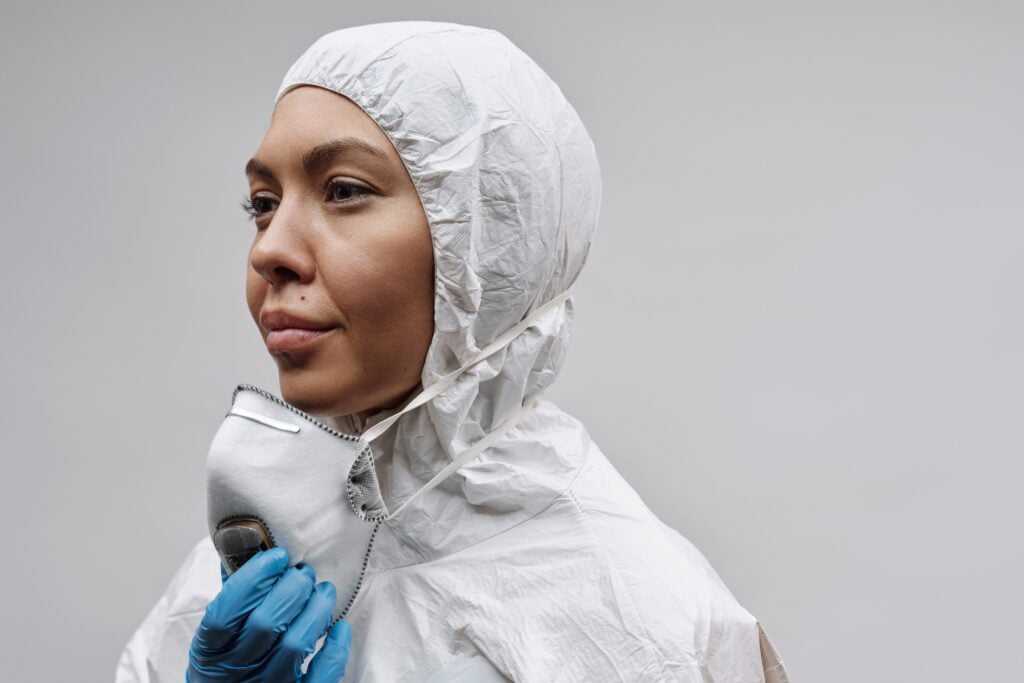
In the Philippines, the COVID-19 pandemic exerted a disproportionate burden on women
The COVID-19 pandemic impacted all people in the Philippines, but the burdens it imposed on women were more than they...
Read More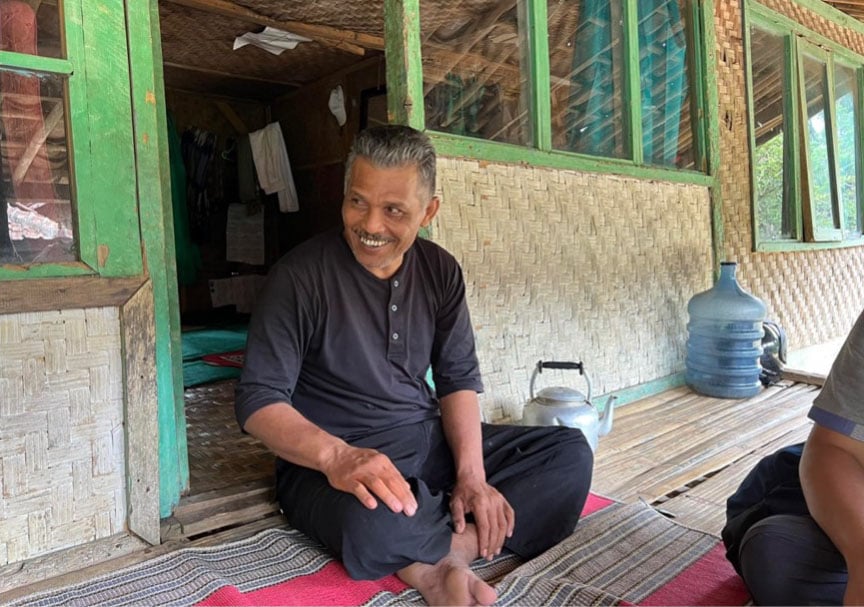
02 Sep 2026
In Java and Mindanao, Indigenous Agricultural Knowledge Systems reflect how people, nature, and culture are inextricably linked
Indigenous communities in Java, Indonesia and Mindanao, Philippines farm the land using traditional knowledge passed down through generations. These practices,...
Read More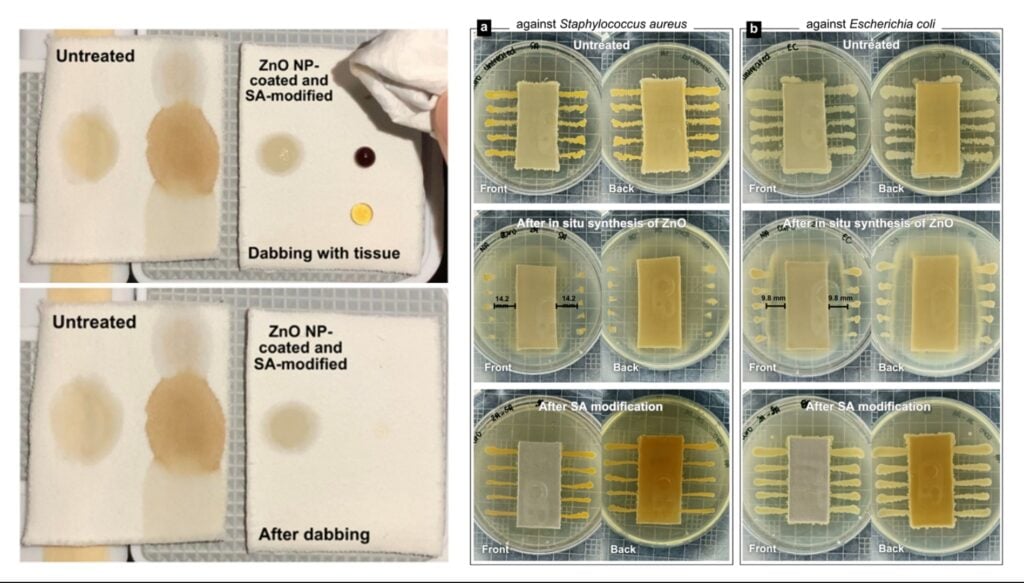
01 Sep 2026
Researchers develop a UV-protective and self-cleaning fabric coating using environmentally friendly materials and methods
The need for highly protective clothing that requires minimal maintenance is crucial for outdoor workers, especially in the Philippines, where...
Read More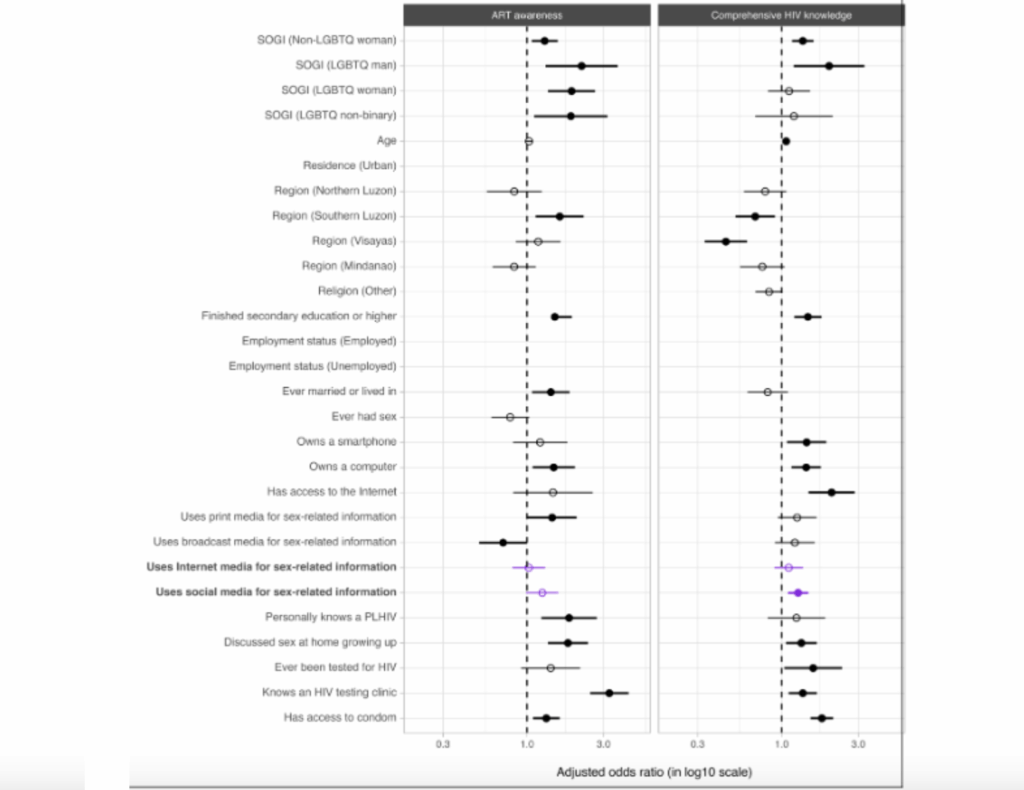
27 Aug 2026
Filipino youth who use social media are more likely to be knowledgeable about HIV, but not about treatment options
There remain gaps in understanding the factors influencing comprehensive HIV knowledge and HIV treatment (called antiretroviral therapy or ART) awareness,...
Read More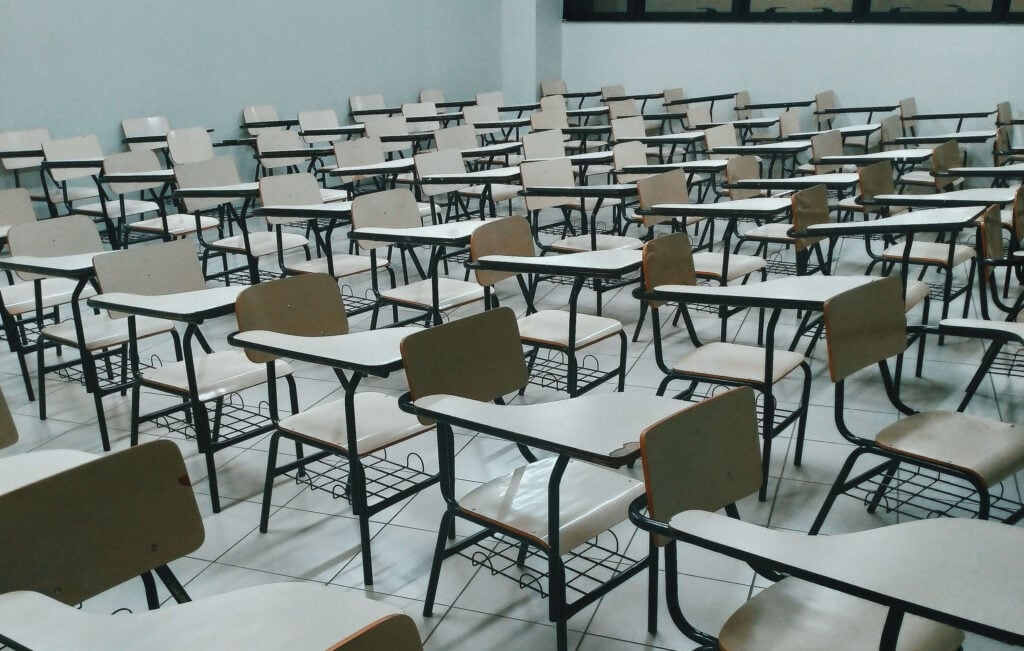
26 Aug 2026
Learning privilege is defined not only by individual talent or effort, but also by the support systems and structural opportunities available to a student
Learning privileges are defined as factors in a student’s environment, i.e., personal, economic, and social circumstances, that give some students...
Read More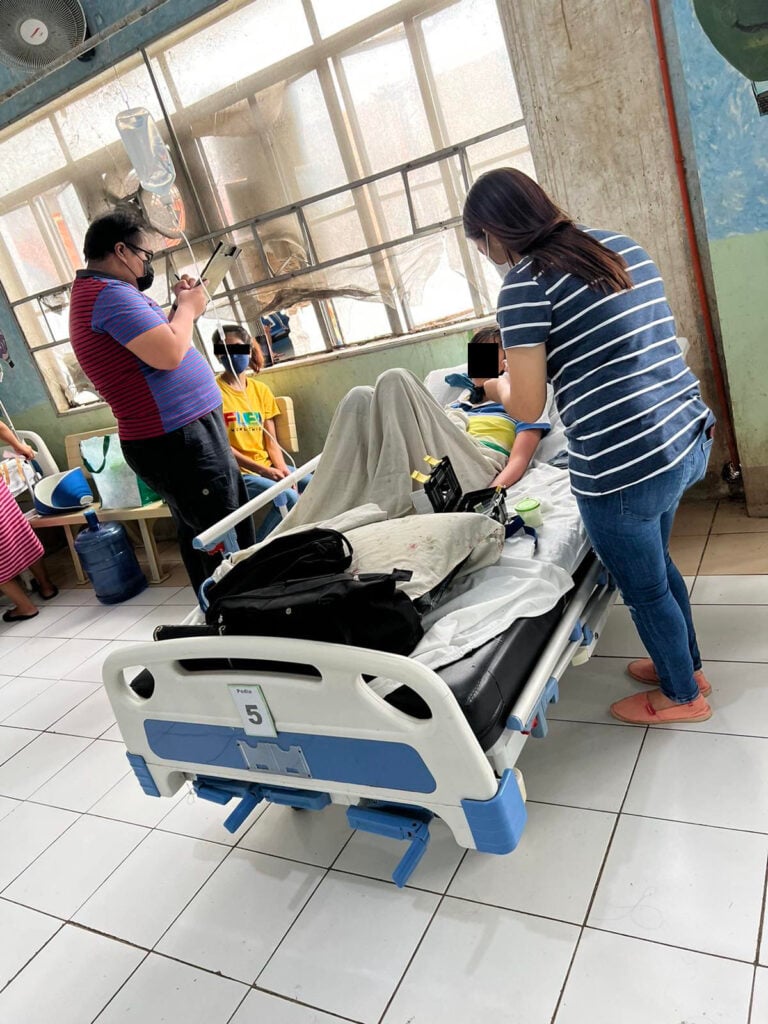
25 Aug 2026
Even a single dose of CYD-TDV (Dengvaxia) can provide lasting protection against more severe forms of dengue
Dengue is a significant public health challenge in tropical regions, such as the Philippines.
In 2017, the Philippine Department of...
Read More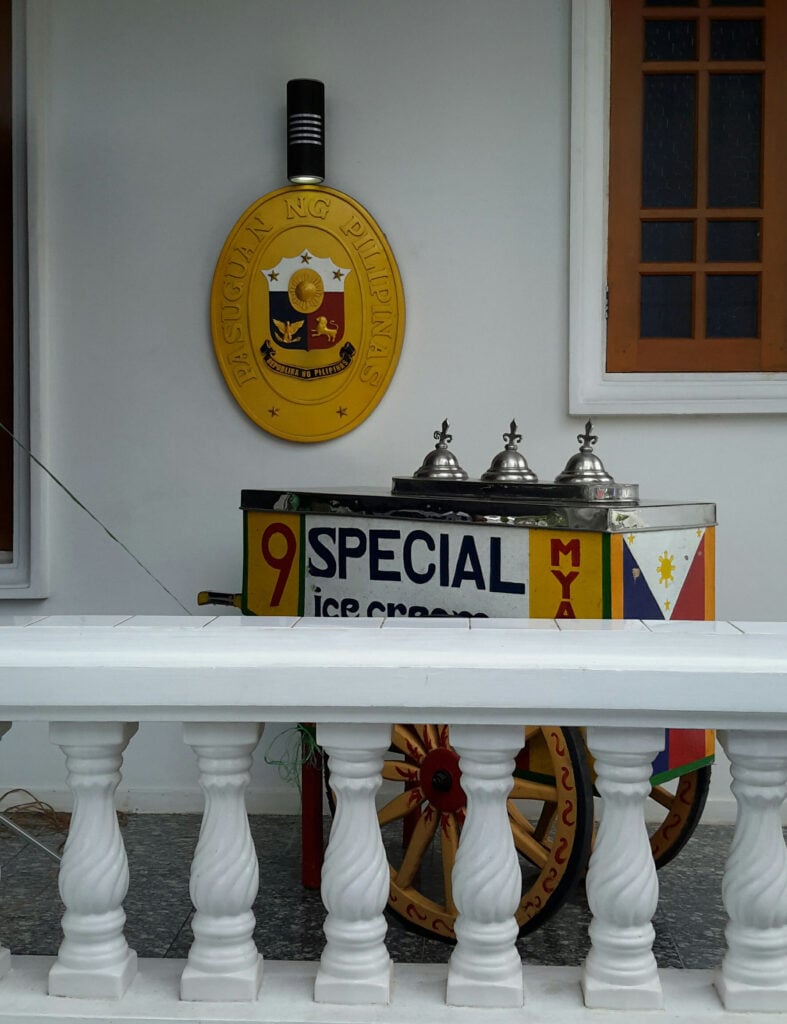
24 Aug 2026
Among Filipina migrant domestic workers, the concept of holistic ease has shifted from personal well-being to the ability to provide for their families back home
As of 2023, the Philippine Statistics Authority (PSA, 2024) estimated that there were 2.16 million Overseas Filipino Workers (OFWs), with...
Read More
20 Aug 2026
Visitors’ estimated mean willingness to pay for water conservation in Mt. Makiling is PHP 75 per visit
Calamba City and Los Baños in Laguna, the Philippines, benefit from the water ecosystem services of Mt. Makiling. Being a...
Read More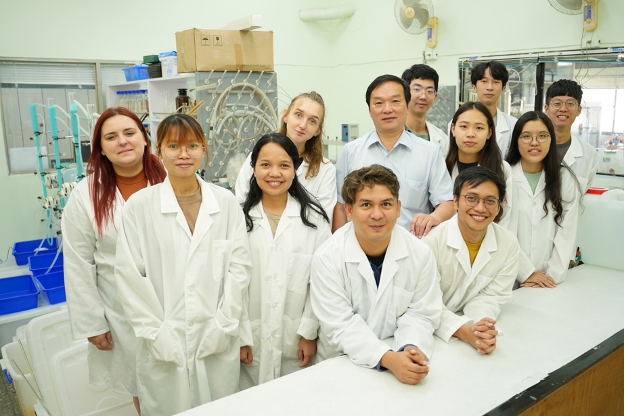
18 Aug 2026
Advanced technology turns wastewater contaminants into valuable products instead of waste
Several industries like electroplating, mining, and agriculture produce wastewater that contains harmful metals and nutrients. If not treated properly, these...
Read More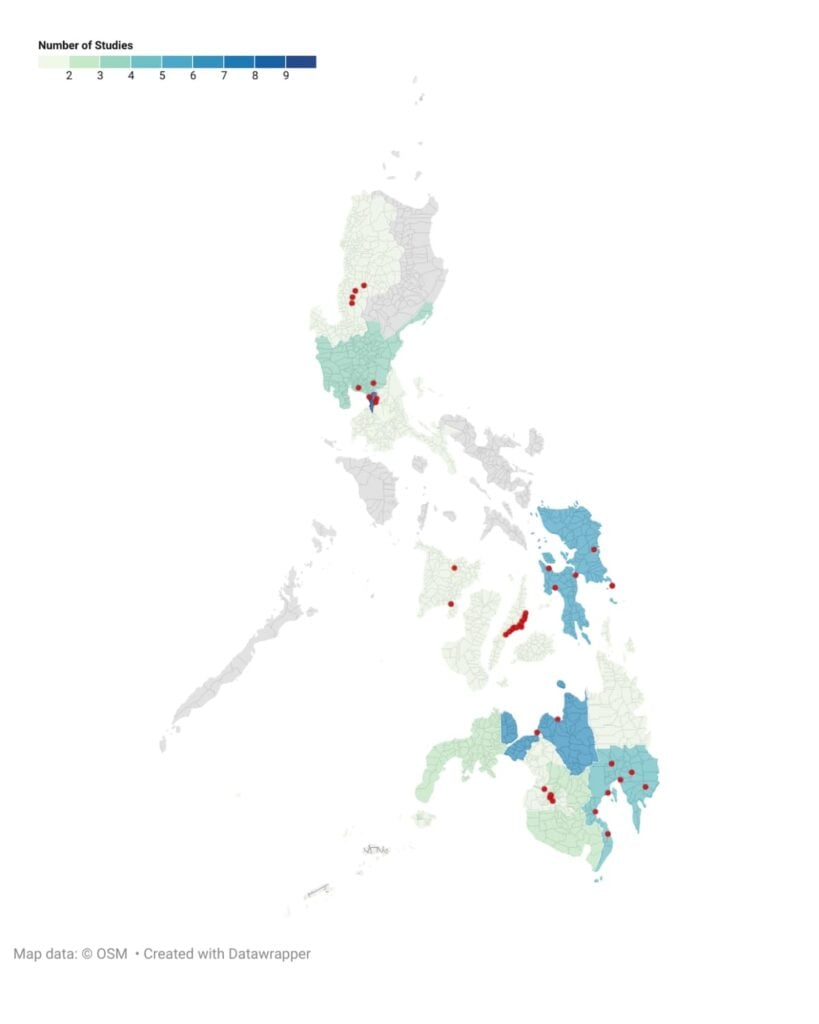
14 Aug 2026
Research on climate change and health in the Philippines focuses mostly on Luzon, with very few studies utilizing long-term data
Climate change affects health worldwide, but its impacts are often greater in vulnerable countries like the Philippines.
In 2024,...
Read More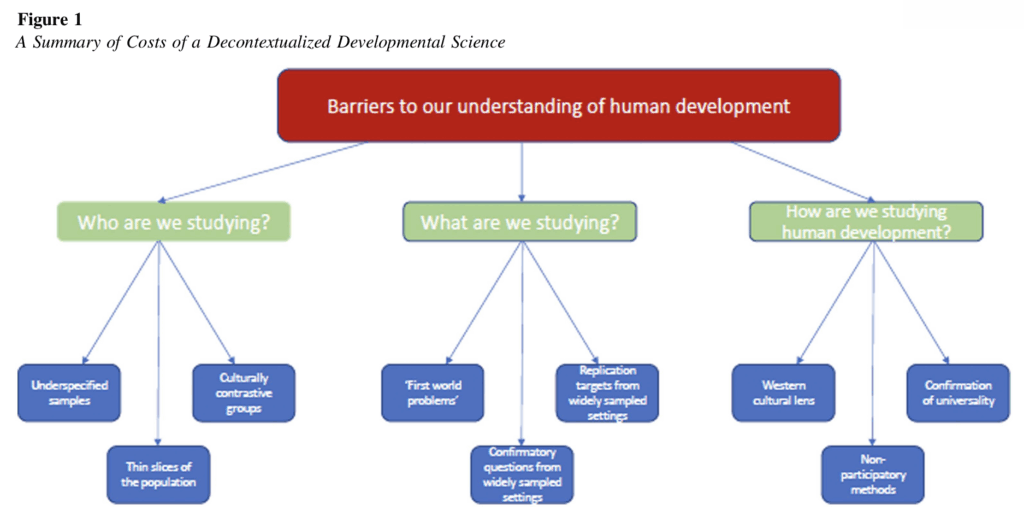
12 Aug 2026
Child development research draws predominantly from North America, leaving low- to middle-income countries underrepresented
Increasing geographical and cultural diversity in research participation has been a key priority for researchers who are working on child...
Read More
11 Aug 2026
Turtle taxa first appeared in Malesia or insular Southeast Asia during the Pleistocene
Situated between the Indomalayan and Australasian realms, Malesia (insular Southeast Asia)—comprising the Philippines, Indonesia, Brunei, and Timor-Leste—is a biogeographical province...
Read More